Sedum, Genus, spectabile, Species, 'Autumn Joy', Cultivar,
- Genus & species
- Cultivar
autumn joy stonecrop
Garden hybrid (Hylotelephium spectabile × H. telephium parentage); introduced by Georg Arends, Germany
Overview
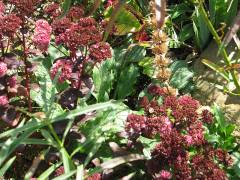
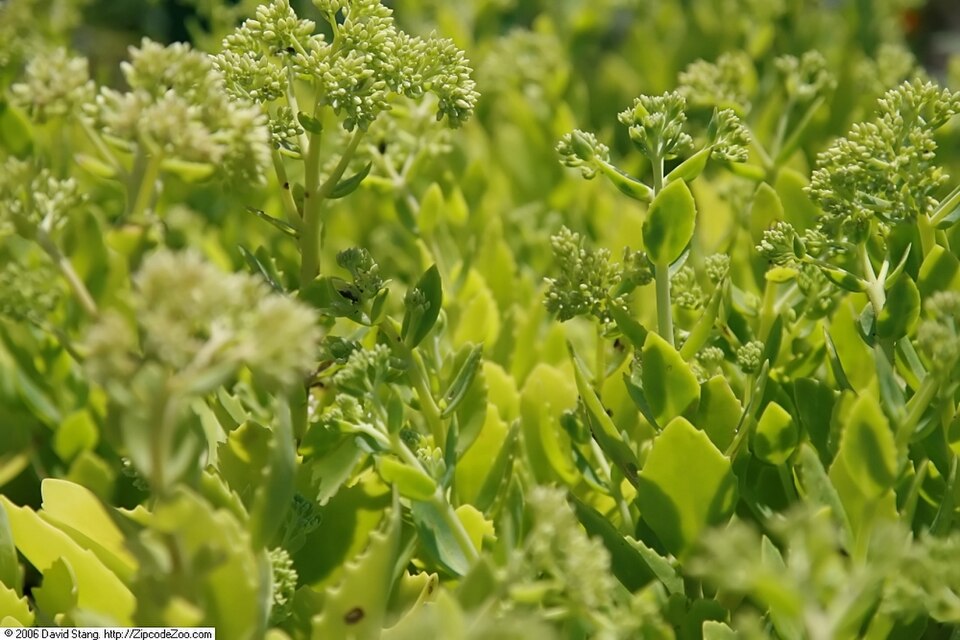
Sedum spectabile 'Autumn Joy' (reclassified by current authorities as Hylotelephium 'Herbstfreude', a hybrid of H. spectabile × H. telephium) is a herbaceous perennial succulent reaching 18–24 inches (45–60 cm) tall and 18–24 inches (45–60 cm) wide. Habit is sturdy, upright, and clumping, with thick succulent stems that emerge together from the crown in spring. Leaves are alternate, thick, fleshy, grey-green, ovate to obovate, 2–3 inches (5–8 cm) long, with slightly toothed margins. Large flat-topped flower clusters 4–6 inches (10–15 cm) across progress through four stages across the late season: pale green broccoli-like buds from mid-August, dusty rose-pink open flowers in September, copper-bronze in October, and rust-brown dried seed heads through winter. Growth rate is moderate, and plants reach full size in 1–2 years. Hardy to zone 3. The cultivar was introduced by German nurseryman Georg Arends in the 1950s and has been in broad commercial cultivation since. Rich soil or partial shade causes stems to fall open from the center in the characteristic 'doughnut' failure pattern; lean, poor soil and full sun keep stems upright.
Native Range
Sedum 'Autumn Joy' (synonym 'Herbstfreude') is a garden hybrid with no natural distribution. Parent species are Hylotelephium spectabile (native to China and Korea) and H. telephium (native to Europe and temperate Asia). The cultivar was raised by Georg Arends in Germany in the 1950s.Suggested Uses
Used in perennial borders, mass plantings, mixed beds, and containers of at least 3 gallons (11 L) at 18–24 inch (45–60 cm) spacing. The 10-week color progression carries visual interest from mid-August through winter, and the flat flower heads serve as a late-season bee and butterfly nectar source. Rich, moist soils and shaded sites cause flopping and limit use where staking or the Chelsea Chop is not practical.How to Identify
Appearance
Size & Dimensions
Height1'6" - 2'
Width/Spread1'6" - 2'
Bloom Information
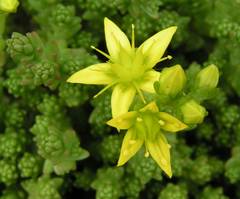
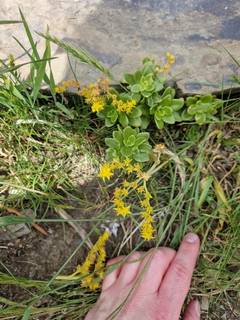
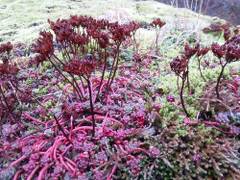
Large flat-topped clusters 4–6 inches (10–15 cm) across progress through four color stages: pale green broccoli-like buds in mid-August, dusty rose-pink open flowers in September, copper-bronze in October, and rust-brown dried seed heads through winter. Total display runs 10 weeks or more. Bees and butterflies visit the flat open flower heads as a late-season nectar source.
Detailed Descriptions
Flower Description
Four-stage progression: pale green buds, dusty rose-pink, copper-bronze, rust-brown seed headsFoliage Description
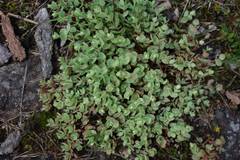
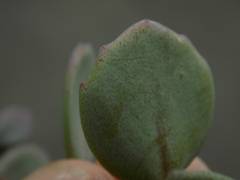
Grey-green; thick fleshy ovate to obovate 2-3 inches (5-8 cm) long; on sturdy succulent stemsGrowing Conditions
Sun Requirements
Requires 6-10 hours of direct sunlight daily
• Full Sun: 6+ hours of direct sunlight
• Partial Shade: 3-6 hours of direct sunlight
• Full Shade: Less than 3 hours of direct sunlight
Care & Maintenance
Care Guide
Plant in full sun in lean to average, well-drained soil (pH 6.0–7.5). Hardy to zone 3. Lean soil keeps stems sturdy; rich soil or partial shade causes stems to fall open in the 'doughnut' failure pattern where the center of the clump collapses outward. Drought-tolerant once established; fertilizer worsens flopping and is not applied. The Chelsea Chop (pinching stems to 6 inches / 15 cm in June) produces more compact plants that resist flopping at the cost of a 1–2 week bloom delay. Dried seed heads are retained through winter for structure and cut to 2–3 inches (5–8 cm) at the base in late winter.Pruning
Dried seed heads and stems are left standing through winter. All stems are cut to 2–3 inches (5–8 cm) at the crown in late winter before new growth emerges (February–March in most climates). Pinching stems to 6 inches (15 cm) in early June produces shorter, bushier plants that flop less and delays bloom by 1–2 weeks (the Chelsea Chop).Pruning Schedule
Prune: February–March
early spring
Container Growing
Suitable for container growing
Minimum container size: 3 gallons