Prunus, Genus, salicina, Species, 'Satsuma', Cultivar,
- Genus & species
- Cultivar
satsuma plum
Overview
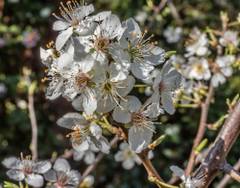
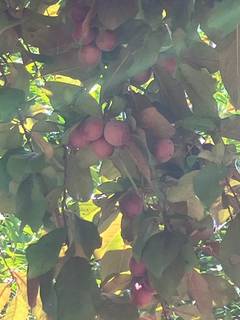
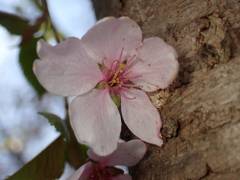
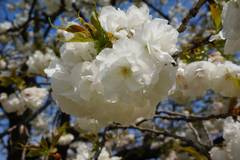
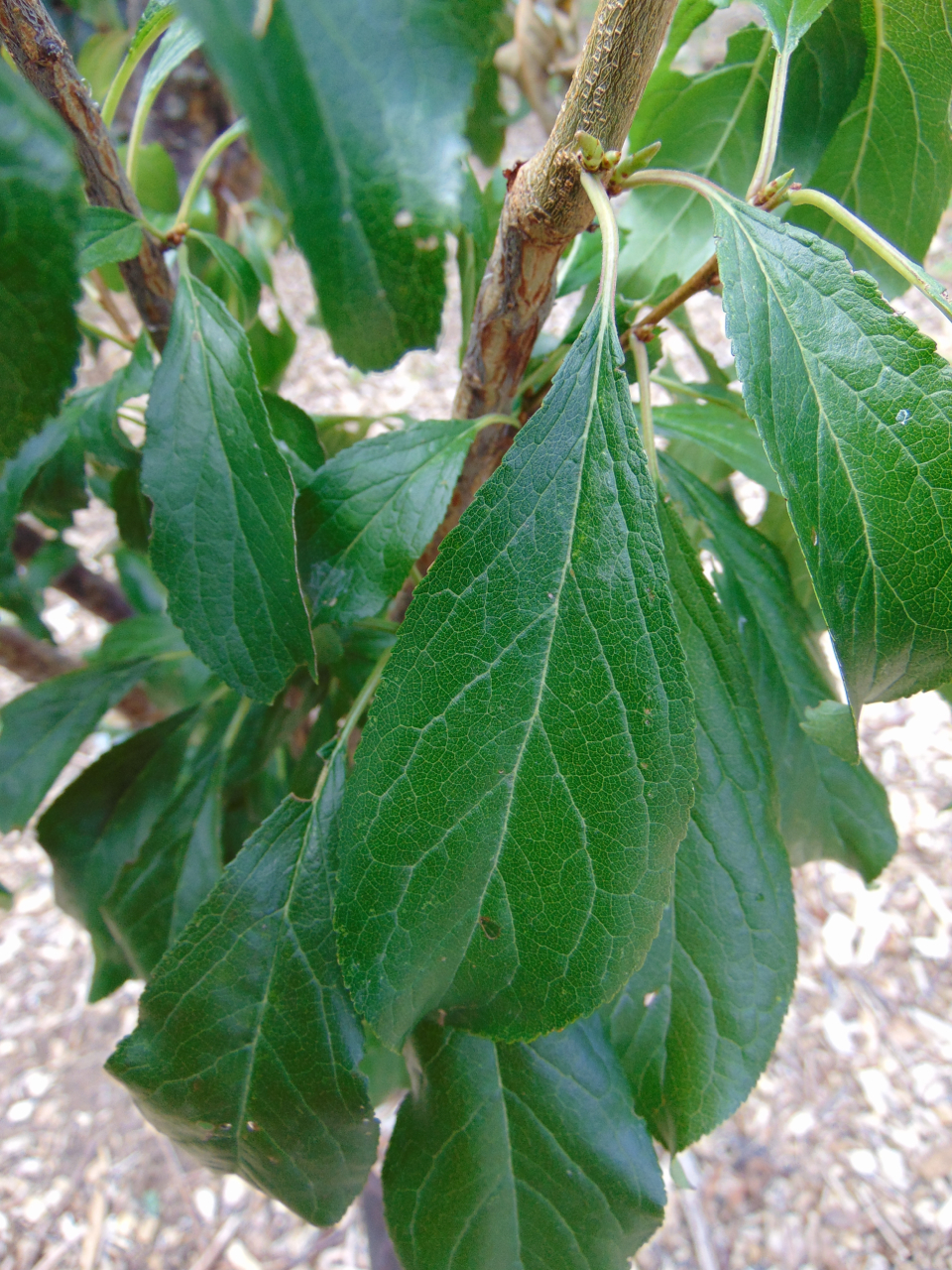
Prunus salicina 'Satsuma' is a Japanese plum cultivar with red flesh, reaching 12-15 feet (3.6-4.6 m) tall and 12-15 feet (3.6-4.6 m) wide on standard rootstock, deciduous and upright-spreading in habit. Round to slightly heart-shaped fruit 2-2.5 inches (5-6.3 cm) across with dark red-purple skin and dark red flesh that extends through the entire fruit including the area around the pit; flesh is mildly sweet, juicy, and clingstone. Fruit ripens early to mid-August in California, two to three weeks after P. salicina 'Santa Rosa'. White five-petaled flowers 0.75-1 inch (2-2.5 cm) across open in March on bare branches before leaves emerge. Lance-shaped to elliptic deciduous leaves 3-5 inches (7.5-12.5 cm) long, medium green, turn yellow before fall drop. Not self-fertile; requires a compatible Japanese plum within 50 feet (15 m) for fruit set, with P. salicina 'Santa Rosa' and P. salicina 'Methley' commonly used as pollinizers. Bears heavily; thinning fruits to 4-6 inch (10-15 cm) spacing prevents limb breakage. Chill requirement of 300-500 hours below 45°F (7°C). Brown rot (Monilinia fructicola) and bacterial spot (Xanthomonas pruni) develop in warm humid conditions and can damage fruit and foliage. Introduced from Japan to the United States by Luther Burbank in 1885 and released to commerce around 1900. Zones 5-9.
Native Range
The species P. salicina is native to China and has been cultivated in Japan since the 16th century. The 'Satsuma' cultivar was selected in Japan and brought to California by Luther Burbank in 1885; it was released to commerce around 1900.Suggested Uses
Grown as a fruiting tree in home orchards and small commercial plantings in zones 5-9, spaced 15-20 feet (4.5-6 m) apart. The dark red flesh holds colour when cooked, suiting the fruit to jam, sauce, and baking. Fruit is also eaten fresh; texture softens within a week of harvest.How to Identify
Appearance
Size & Dimensions
Height12' - 15'
Width/Spread12' - 15'
Bloom Information
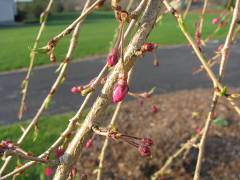
White five-petaled flowers 0.75-1 inch (2-2.5 cm) across open in March on bare branches before leaf emergence. Bloom lasts 7-14 days. Late frosts below 28°F (-2°C) during full bloom destroy that year's crop. Not self-fertile; a compatible Japanese plum within 50 feet (15 m) is required for fruit set.
Detailed Descriptions
Foliage Description
Medium greenGrowing Conditions
Sun Requirements
Requires 6-10 hours of direct sunlight daily
• Full Sun: 6+ hours of direct sunlight
• Partial Shade: 3-6 hours of direct sunlight
• Full Shade: Less than 3 hours of direct sunlight
Care & Maintenance
Care Guide
Grown in full sun (6+ hours) in well-drained loam or sandy loam at pH 6.0-7.0; tolerates clay if drainage is adequate. Deep weekly watering during the first two growing seasons supports establishment; mature trees tolerate periods of drought between rains. Fruit is thinned to 4-6 inch (10-15 cm) spacing in early June to prevent limb breakage and improve fruit size. Brown rot (Monilinia fructicola) and bacterial spot (Xanthomonas pruni) develop in warm humid conditions; copper or sulfur sprays at petal fall and fruit set reduce infection. Plum curculio (Conotrachelus nenuphar) is the primary insect pest east of the Rocky Mountains, scarring fruit early in development. Bears fruit in 3-5 years from planting on standard rootstock. Zones 5-9.Pruning
Open-center vase training is the typical orchard form, established by selecting three to four scaffold branches and removing the central leader in year two. Annual dormant pruning in late winter (February in zones 5-7, January in zones 8-9) removes crossing branches, watersprouts, and 20-25% of the previous year's growth. Summer pruning in July controls vegetative vigor and improves light penetration to ripening fruit.Pruning Schedule
Prune: January–February & July
wintersummer
Container Growing
Minimum container size: 25 gallons