Plant Reference
Prunus, Genus, laurocerasus, Species, 'Mt. Vernon', Cultivar,
- Genus & species
- Cultivar
Mt. vernon laurel
Cultivar of garden origin; species native to southeastern Europe (Balkans) and southwestern Asia (Turkey, Caucasus, Iran)
Overview
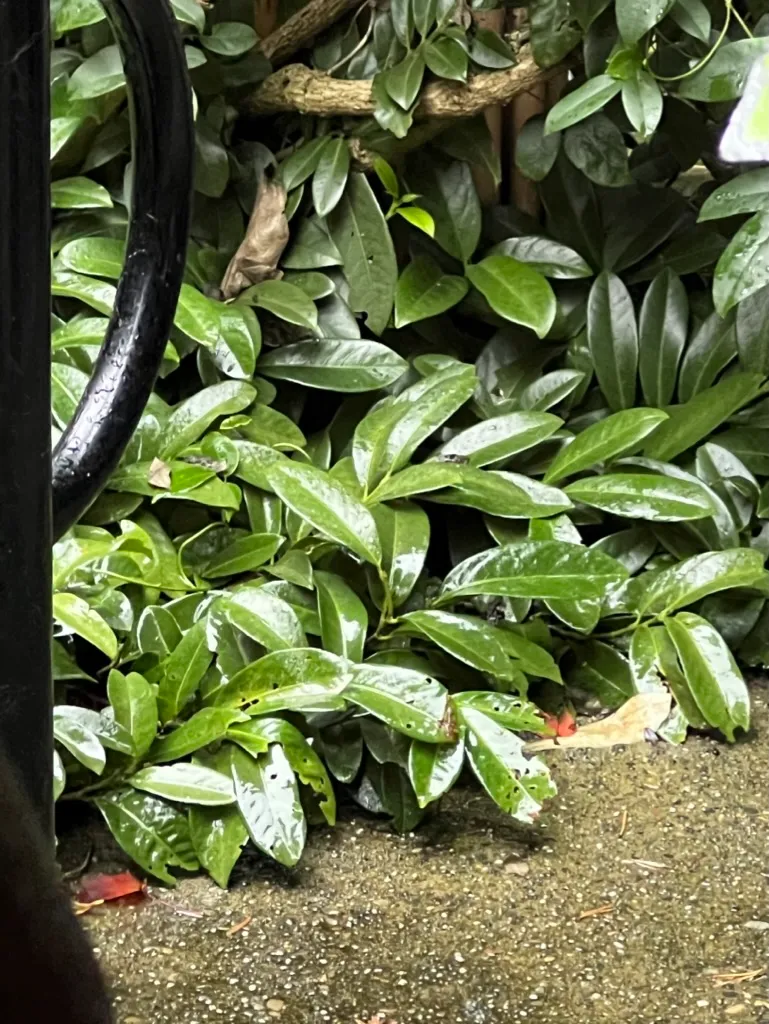
Prunus laurocerasus 'Mt. Vernon' is Mt. Vernon laurel (dwarf cherry laurel), a prostrate spreading evergreen shrub growing 1.5-2.5 feet (45-75 cm) tall and 4-6 feet (1.2-1.8 m) wide. White flowers in short upright racemes 2-3 inches (5-7 cm) in April-May (3 weeks). Glossy dark green oblong leathery leaves 2-4 inches (5-10 cm). In Rosaceae. The most prostrate commonly available P. laurocerasus cultivar — a true ground-cover form. Fewer flowers and fruit than the species — reduced invasive concern. All parts contain cyanogenic glycosides — TOXIC to humans and pets. The species is classified as invasive in the PNW. Tolerates almost any soil and extreme shade. Drought-tolerant once established. Deer-resistant. Zones 6-9. Part sun to full sun or full shade. Growth rate is moderate.
Native Range
Cultivar of garden origin. Species native to southeastern Europe (Balkans) and southwestern Asia (Turkey, Caucasus, Iran).Suggested Uses
Grown as an evergreen ground cover, slope cover, and in containers of at least 5 gallons (19 L), spaced 4-6 feet (1.2-1.8 m). Prostrate. Shade-tolerant. All parts TOXIC. Species invasive in PNW. Zones 6-9.How to Identify
Appearance
Size & Dimensions
Height1'6" - 2'6"
Width/Spread4' - 6'
Bloom Information
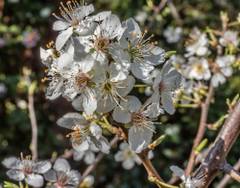
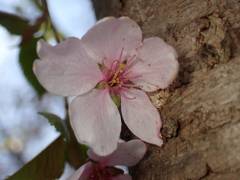
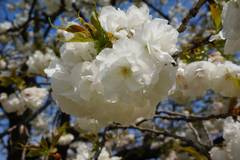
Mid to late spring (April-May). White flowers 0.3 inch (8 mm) in short upright racemes 2-3 inches (5-7 cm). Fewer flowers than the species. 3 weeks. Bee-visited.
Detailed Descriptions
Flower Description
White, small, 0.3 inch (8 mm), in short upright racemes 2-3 inches (5-7 cm); April-May; fewer flowers than the speciesFoliage Description
Glossy dark green, oblong, 2-4 inches (5-10 cm), leathery; smaller leaves than the species; the prostrate spreading habit creates a dense low evergreen carpetGrowing Conditions
Sun Requirements
Requires 2-10 hours of direct sunlight daily
• Full Sun: 6+ hours of direct sunlight
• Partial Shade: 3-6 hours of direct sunlight
• Full Shade: Less than 3 hours of direct sunlight
Care & Maintenance
Care Guide
Full sun to full shade (2-10 hours). Almost any soil pH 5.0-8.0. Drought-tolerant once established. All parts contain cyanogenic glycosides — TOXIC. Species is invasive in PNW — this cultivar fruits less. Prune after flowering (May-June). Deer-resistant. Zones 6-9.Pruning
Prune after flowering (May-June) to shape if needed. Use hand pruners — not hedge shears. The prostrate ground-cover form requires minimal pruning in most settings.Pruning Schedule
Prune: May–June
late spring
Container Growing
Suitable for container growing
Minimum container size: 5 gallons