Prunus, Genus, pensylvanica, Species,
- Genus & species
fire cherry
Overview
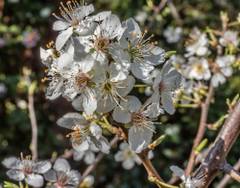
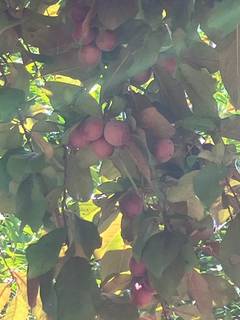
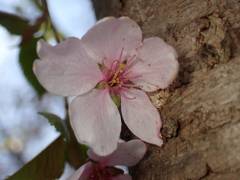
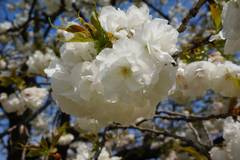
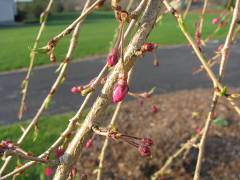
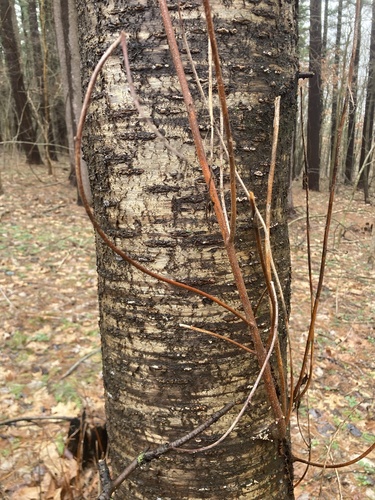
Prunus pensylvanica is a small deciduous tree or large shrub in the rose family, reaching 15-40 feet (4.5-12 m) tall and 10-20 feet (3-6 m) wide, with a narrow, open crown and slender, often horizontal branches. The smooth reddish-brown bark is marked with prominent horizontal lenticels and peels in thin papery strips. Lance-shaped leaves 2-4.5 inches (5-11 cm) long are bright green and finely toothed, turning yellow to orange-red in fall. White flowers about 0.5 inch (13 mm) wide open in small flat clusters as the leaves emerge in spring. Bright red, sour cherries about 0.25 inch (6 mm) across ripen in summer and are eaten by birds and mammals. A fast-growing pioneer of burned and cleared land, it colonizes openings quickly from seed banks that persist for decades, then declines as longer-lived trees overtop it. It is short-lived, usually 20-40 years, and prone to black knot and borers. The leaves, bark, and seeds contain cyanogenic compounds that are poisonous to livestock when wilted.
Native Range
Native to northern and montane North America, from Newfoundland and Labrador across Canada to British Columbia, south through the northeastern and Great Lakes states and down the Appalachians. It grows in clearings, burned areas, forest edges, and roadsides.Suggested Uses
Used in reforestation, wildlife plantings, and erosion control on disturbed or burned land. The flowers support early-season pollinators and the fruit feeds birds, bears, and small mammals.How to Identify
Appearance
Size & Dimensions
Height15' - 40'
Width/Spread10' - 20'
Bloom Information
White flowers open in flat-topped clusters from April to June as the leaves expand. Each flower is about 0.5 inch (13 mm) across. Red cherries ripen from July to August.
Detailed Descriptions
Foliage Description
greenGrowing Conditions
Sun Requirements
Requires 6-10 hours of direct sunlight daily
• Full Sun: 6+ hours of direct sunlight
• Partial Shade: 3-6 hours of direct sunlight
• Full Shade: Less than 3 hours of direct sunlight
Care & Maintenance
Care Guide
Grows in full sun on well-drained sandy or loamy soils and establishes quickly on disturbed, burned, or cleared ground. It is fast-growing but short-lived, declining once taller trees overtop it. The species tolerates poor, acidic soils and cold winters but performs poorly in shade or wet ground. Black knot fungus and borers are common and shorten its life further. It needs no fertilizer in native soils and rarely requires irrigation once rooted. Seed germinates after fire or soil disturbance, and seedlings appear readily in open sites.Pruning
Pruning in late winter removes black knot galls and dead or crossing branches, with cuts made well below the swollen galls to limit spread of the fungus. The short lifespan makes major structural pruning unnecessary.Pruning Schedule
winter