Prunus, Genus, insititia, Species,
- Genus & species
damson
Overview
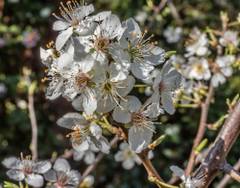
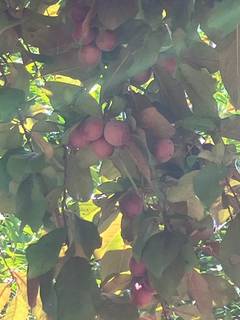
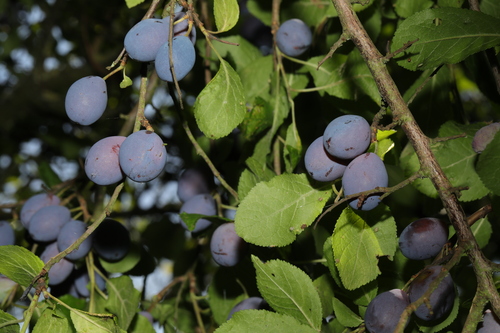
Prunus insititia is a deciduous small tree or large shrub 4-6 m (13-20 ft) tall, often multi-stemmed and sometimes thorny, grown for centuries for its fruit. The oval leaves are 4-8 cm (1.6-3.1 in) long, dull green, finely toothed, and downy beneath, turning yellow before they fall. White five-petalled flowers 1.5-2.5 cm (0.6-1 in) across open in spring, singly or in pairs from the bare or barely leafing twigs, and are followed in late summer by rounded to oval fruits 2-3 cm (0.8-1.2 in) long. The fruit, known as the damson and its kin the bullace, ripens blue-black to amber with a waxy bloom and clinging, tart flesh used for jams, pies, and country wines. Plants sucker from the roots to form thickets and are often used as hedging and shelter. They tolerate cold, wind, and heavy soil that many fruit trees will not tolerate. The fruit is sharp and astringent raw, and the stones and foliage contain cyanogenic compounds.
Native Range
Prunus insititia is native to or long naturalized across Europe and western Asia, and has been grown so widely for its fruit that its exact wild origin is unclear. It is found in hedgerows, scrub, and old orchards, often persisting where it was once planted.Suggested Uses
Grown as a fruiting tree, in mixed orchards, and as a windbreak or thorny hedge in cold and exposed gardens. The fruit is used for jam, baking, and wines, and the blossom feeds early pollinators. Suckering and thorns make it less suited to small, tidy gardens.How to Identify
Appearance
Size & Dimensions
Height13' - 20'
Width/Spread10' - 15'
Bloom Information
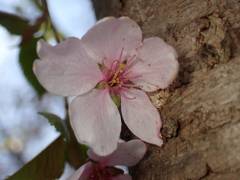
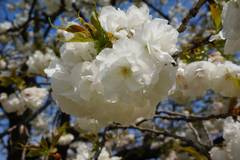
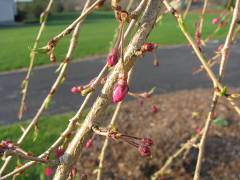
White flowers open in March and April (early to mid-spring), usually just before or as the leaves emerge. The blossom lasts one to two weeks and is worked by early bees for nectar and pollen. Most forms are self-fertile, so a single tree can set a crop.
Detailed Descriptions
Foliage Description
dull greenGrowing Conditions
Sun Requirements
Requires 6-12 hours of direct sunlight daily
• Full Sun: 6+ hours of direct sunlight
• Partial Shade: 3-6 hours of direct sunlight
• Full Shade: Less than 3 hours of direct sunlight
Care & Maintenance
Care Guide
Prunus insititia grows in full sun to light shade on most soils, including heavy clay, and tolerates cold, exposure, and wind better than dessert plums. It prefers a pH from about 6.0 to 7.5 and moist but not waterlogged ground. Trees are usually grown on rootstocks or from suckers and begin to fruit within three to five years. Watering helps fruit set in dry springs, while feeding is rarely needed on reasonable soil. Root suckers are removed where a single trunk is wanted, or left to thicken a hedge. Silver leaf and brown rot can affect trees, so large cuts are made in summer when infection risk is lower.Pruning
Any pruning is done in summer to reduce the risk of silver leaf disease, removing dead, crossing, or crowded branches. Trees grown as bushes are thinned to keep an open centre. Hedging plants are trimmed after fruiting.Pruning Schedule
Prune: June–August
summer