Prunus, Genus, incisa, Species,
- Genus & species
Fuji cherry
Overview
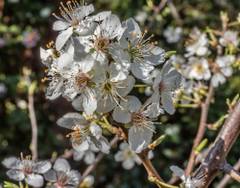
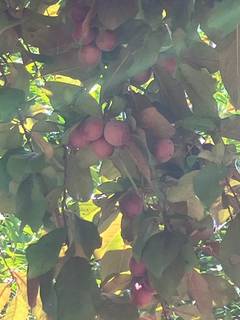
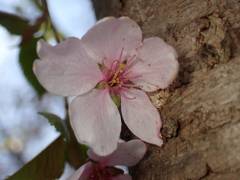
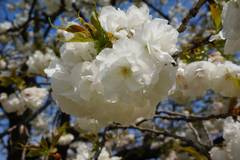
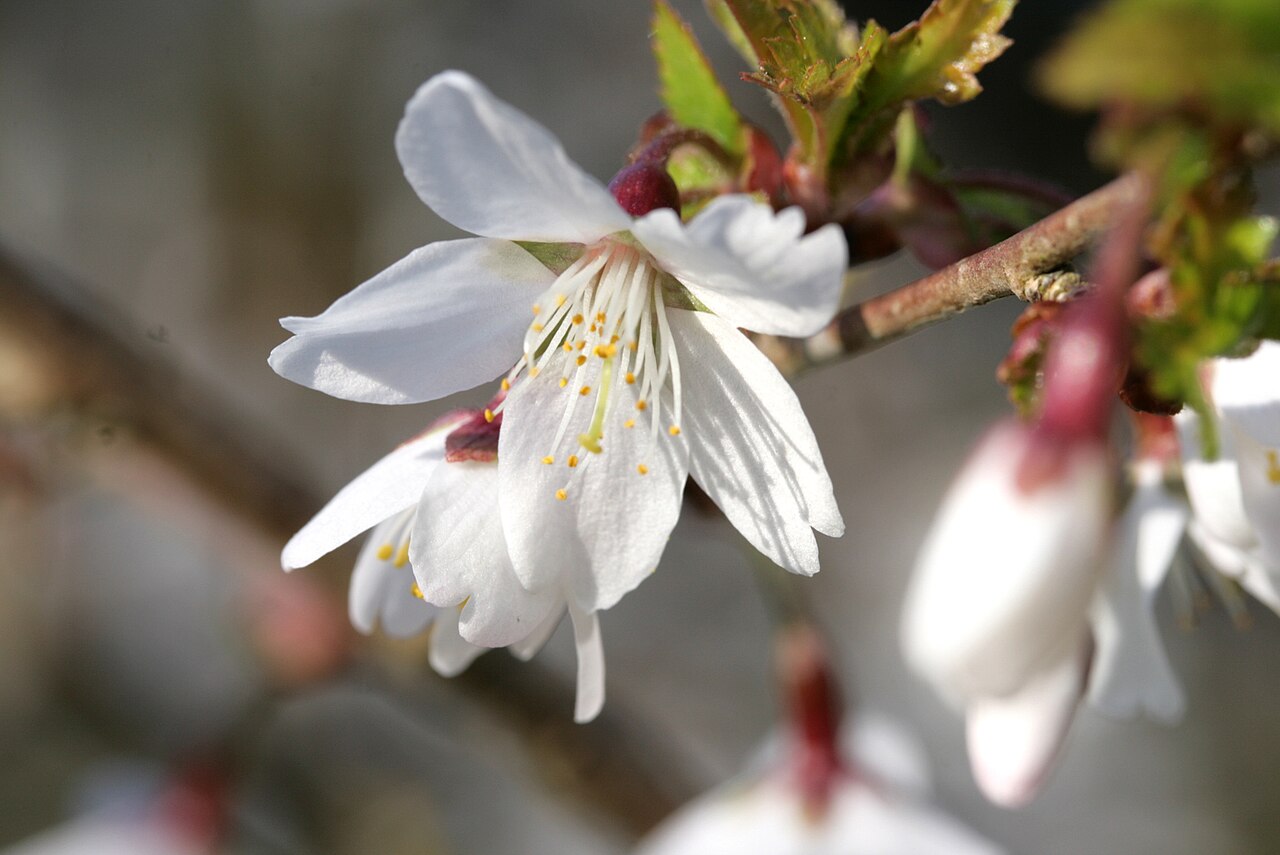
Prunus incisa is a deciduous small tree or large shrub reaching 10-20 feet (3-6 m) tall and 10-15 feet (3-4.5 m) wide, with a twiggy spreading crown on slender grey-brown stems. Leaves are alternate, ovate, 1-2.5 inches (2.5-6 cm) long, with deeply cut double teeth along the margin that give the species its name, and they turn orange and red over 2-3 weeks in October and November. Flowers are 0.5-0.8 inch (1.2-2 cm) across, white to pale pink, with five notched petals held on slender stalks in clusters of one to three, opening in March and April, 2-3 weeks ahead of Prunus × yedoensis in the same garden. Fruit is a purple-black drupe about 0.3 inch (8 mm) across, bitter, ripening in July. Growth runs 6-12 inches (15-30 cm) per year on garden soils. Stems are subject to bacterial canker and to silver leaf fungus entering through pruning cuts made in the dormant season, so cuts are made in summer. The dwarf cultivar Kojo-no-mai holds at 4-6 feet (1.2-1.8 m) with zigzag shoots and is grown in containers and as bonsai. Seeds and leaves contain cyanogenic glycosides.
Native Range
Prunus incisa is native to Japan, on Honshu around Mount Fuji, Hakone, and the Izu Peninsula, where it grows on volcanic slopes and in open woodland between 1,600 and 5,200 feet (500-1,600 m). It was introduced to Britain in 1910 by Ernest Wilson and is now grown across temperate Europe, North America, and New Zealand. It crosses readily with other Prunus species in cultivation, and several garden hybrids carry it as a parent.Suggested Uses
Planted as a single small tree in lawns and courtyards at 12-15 foot (3.7-4.5 m) spacing, and grown in mixed borders and as an informal screen across USDA zones 5-8. Dwarf cultivars such as Kojo-no-mai are grown in containers of 15 gallons (57 L) and as bonsai, holding at 4-6 feet (1.2-1.8 m) for many years. The March flowers carry pollen and nectar for honeybees and solitary bees, and birds take the small fruit in July.How to Identify
Appearance
Size & Dimensions
Height10' - 20'
Width/Spread10' - 15'
Bloom Information
Flowering runs 2-3 weeks in March and April, opening from pink buds to white or pale pink flowers and finishing as the leaves expand. Frost below 28F (-2C) during bloom browns the open flowers, while buds still closed come through undamaged. Honeybees and solitary bees work the flowers in March, when few other trees are in bloom. Fruit follows in July on trees with a second cherry nearby for cross-pollination.
Detailed Descriptions
Flower Description
White to pale pinkFoliage Description
Mid green, turning orange and red in autumnGrowing Conditions
Sun Requirements
Requires 4-10 hours of direct sunlight daily
• Full Sun: 6+ hours of direct sunlight
• Partial Shade: 3-6 hours of direct sunlight
• Full Shade: Less than 3 hours of direct sunlight
Care & Maintenance
Care Guide
Flowering is heaviest in full sun, and the crown thins in less than 4 hours of direct light. Free-draining soil at pH 6.0-7.5 suits the roots, including shallow chalk, while ground that stays wet through winter brings on root rot. Water at 1 inch (25 mm) per week for the first three seasons; established trees hold through 3-4 weeks of dry weather. Fertilizer is generally unnecessary in garden soil, and high nitrogen produces soft growth that canker enters. Bacterial canker caused by Pseudomonas syringae produces sunken stem lesions and gumming, and silver leaf fungus Chondrostereum purpureum enters through pruning wounds made between autumn and early spring. Aphids curl the new shoot tips in May and June without lasting damage.Pruning
Pruning is carried out between June and August, when wounds close quickly and spores of silver leaf and bacterial canker are least active. Cuts are limited to dead, crossing, or damaged wood, since the twiggy crown holds its shape without shaping cuts. Taking whole shoots out at their origin holds the outline open, while heading cuts produce clusters of upright regrowth. Plants grown in containers or as bonsai are wired and pinched through the growing season rather than cut back hard.Pruning Schedule
Prune: June–August
summer
Container Growing
Suitable for container growing
Minimum container size: 15 gallons