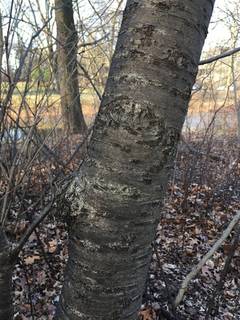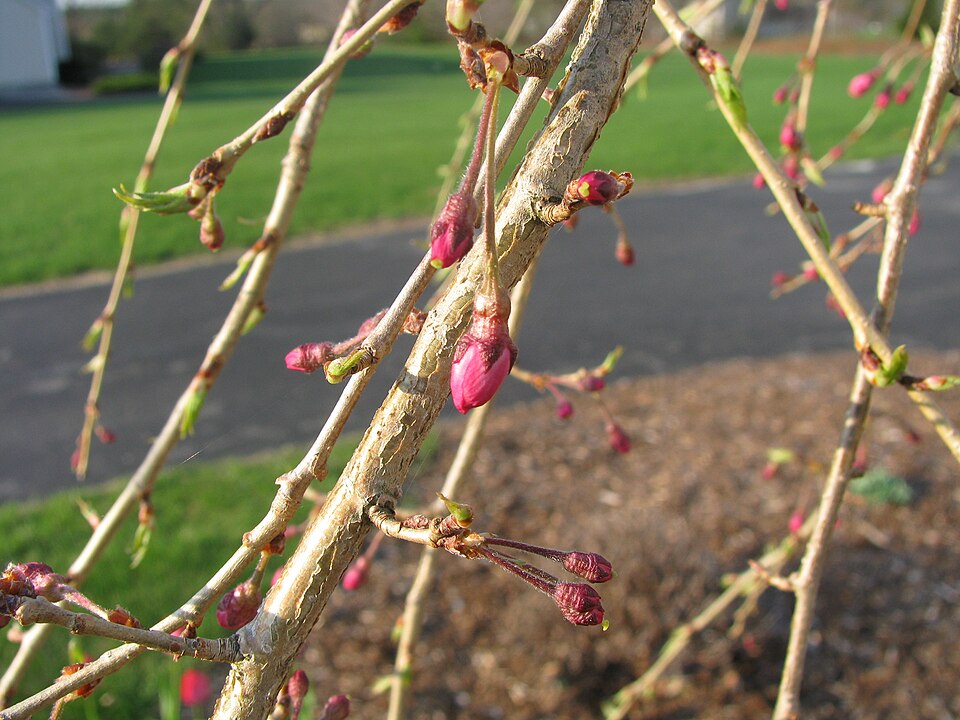
Prunus, Genus, subhirtella, Species, 'Pendula', Cultivar,
- Genus & species
- Cultivar
weeping flowering cherry
The species {P. subhirtella} is of ancient hybrid origin from Japan — possibly {P. incisa} × {P. spachiana}; cultivated in Japan for centuries
Overview
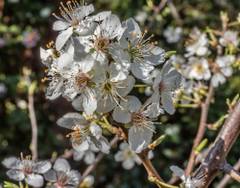
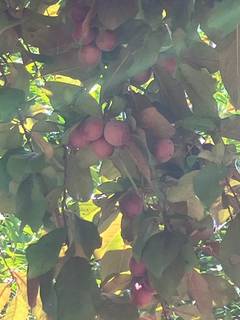
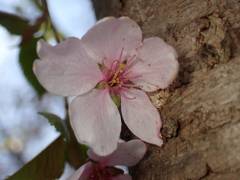
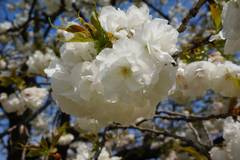
Prunus subhirtella 'Pendula' is weeping flowering cherry (weeping Higan cherry), a deciduous tree with cascading pendulous branches growing 20-30 feet (6-9 m) tall and 15-25 feet (4.5-7.5 m) wide. Pale pink single 5-petaled flowers 0.5-1 inch (1.3-2.5 cm) from deeper pink buds, densely clustered along the pendulous branches in March-April. Lightly fragrant. Dark green ovate finely serrated leaves 1-3 inches (2.5-7 cm) — smaller than most flowering cherries. Turns yellow to bronze in fall. Small black cherries 0.3 inch (8 mm) in summer. The cascading pendulous branches sweep to the ground when not trimmed. In Rosaceae. The species P. subhirtella is of ancient hybrid origin from Japan. Grafted onto an upright rootstock — the graft union is visible 4-6 feet (1.2-1.8 m) above ground. Rootstock suckers (upright growth below the graft) must be removed promptly or they will overtake the weeping canopy. This rootstock suckering is the primary maintenance concern. Susceptible to borers, bacterial canker (Pseudomonas syringae), and root rot in wet soil. Relatively short-lived (20-30 years). Not drought-tolerant. Deer browse. Toxic (cyanogenic glycosides in leaves, bark, seeds). Zones 4-8. Full sun. Growth rate is moderate.
Native Range
The species P. subhirtella is of ancient hybrid origin from Japan — possibly P. incisa × P. spachiana. Cultivated in Japan for centuries.Suggested Uses
Grown as a specimen tree in residential gardens, near water features, and in parks spaced 15-25 feet (4.5-7.5 m). Weeping form with cascading pink spring bloom. Short-lived (20-30 years). Remove rootstock suckers. Toxic. Zones 4-8.How to Identify
Appearance
Size & Dimensions
Height20' - 30'
Width/Spread15' - 25'
Bloom Information
Early to mid spring (March-April). Pale pink single 5-petaled flowers 0.5-1 inch (1.3-2.5 cm) from deeper pink buds along pendulous branches. Lightly fragrant. 3 weeks of bloom. Bee-visited. Small black cherries follow.
Detailed Descriptions
Flower Description
Pale pink from deeper pink buds, single, 5-petaled, 0.5-1 inch (1.3-2.5 cm) diameter, densely clustered along the pendulous branchesFoliage Description
Dark green, simple, ovate, finely serrated, 1-3 inches (2.5-7 cm) — smaller than most flowering cherries; turns yellow to bronze in fallGrowing Conditions
Sun Requirements
Requires 6-12 hours of direct sunlight daily
• Full Sun: 6+ hours of direct sunlight
• Partial Shade: 3-6 hours of direct sunlight
• Full Shade: Less than 3 hours of direct sunlight
Care & Maintenance
Care Guide
Full sun (6+ hours). Well-drained soil pH 5.5-7.0. Not drought-tolerant. Root rot in wet sites. Susceptible to borers and bacterial canker. Remove rootstock suckers (upright shoots below graft union) promptly. Short-lived (20-30 years). Prune after flowering (June-July) — winter pruning increases canker risk. Deer browse. Toxic (cyanogenic glycosides). Zones 4-8.Pruning
Prune after flowering (June-July). Remove rootstock suckers (upright shoots emerging below the graft union) immediately — they are vigorous and will overtake the weeping canopy. Shorten pendulous branches that drag on the ground if desired. Remove dead or canker-infected branches — cut 12 inches (30 cm) below infection.Pruning Schedule
Prune: June–July
summer