Prunus, Genus, laurocerasus, Species, 'Otto Luyken', Cultivar,
- Genus & species
- Cultivar
Otto Luyken laurel
Species native to the eastern Balkans, western Asia, and the Caucasus; cultivar developed by Hesse Nursery in Weener, Germany in 1940
Overview
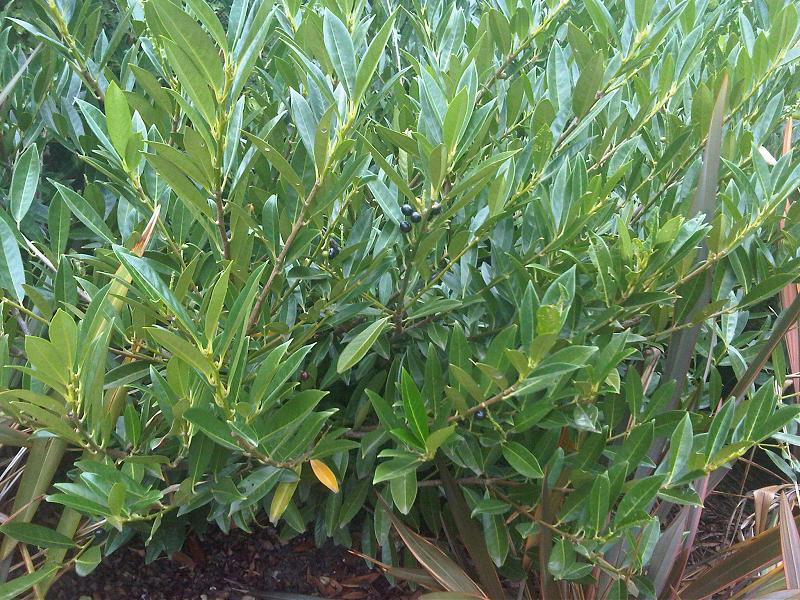
Prunus laurocerasus 'Otto Luyken' is Otto Luyken cherry laurel, a low spreading evergreen shrub growing 3-4 feet (0.9-1.2 m) tall and 6-8 feet (1.8-2.4 m) wide — much wider than tall. White fragrant 5-petaled flowers 0.4 inch (10 mm) in upright cylindrical racemes 3-5 inches (7-13 cm) in April-May (3 weeks). Glossy dark green narrow-lanceolate leathery leaves 2-4 inches (5-10 cm) held horizontally on the stems creating a tiered appearance. Small black drupes (toxic) in summer. In Rosaceae. Developed by Hesse Nursery in Weener, Germany (1940). Hardier than the species — reliable in zone 6. All parts contain cyanogenic glycosides (prunasin, amygdalin) that release hydrogen cyanide when crushed — highly toxic to pets, livestock, and humans. The wilted leaves are particularly dangerous. This severe toxicity is the primary safety concern. Susceptible to shothole disease (bacterial leaf spot) and powdery mildew. Drought-tolerant once established. Tolerates deep shade. Deer-resistant. Zones 6-8. Growth rate is moderate.
Native Range
Species native to the eastern Balkans, western Asia, and the Caucasus. Cultivar developed by Hesse Nursery in Weener, Germany in 1940.Suggested Uses
Grown as a low evergreen hedge, foundation planting, mass planting under trees, or shade groundcover, spaced 4-6 feet (1.2-1.8 m). Tiered habit. Shade-tolerant. ALL parts highly toxic. Zones 6-8.How to Identify
Appearance
Size & Dimensions
Height3' - 4'
Width/Spread6' - 8'
Bloom Information
Mid spring (April-May). White fragrant 5-petaled flowers 0.4 inch (10 mm) in upright cylindrical racemes 3-5 inches (7-13 cm) above the foliage. 3 weeks. Bee-visited. Small black toxic drupes follow in summer.
Detailed Descriptions
Flower Description
White, fragrant, 5-petaled, 0.4 inch (10 mm), in upright cylindrical racemes 3-5 inches (7-13 cm) above the foliage; April-May; followed by small black cherry-like drupes (toxic — do not eat) in summerFoliage Description
Glossy dark green above, paler green beneath, narrow-lanceolate, 2-4 inches (5-10 cm), leathery, with finely serrated margins; held horizontally on the stems giving the shrub a tiered appearance; evergreen year-roundGrowing Conditions
Sun Requirements
Requires 1-8 hours of direct sunlight daily
• Full Sun: 6+ hours of direct sunlight
• Partial Shade: 3-6 hours of direct sunlight
• Full Shade: Less than 3 hours of direct sunlight
Care & Maintenance
Care Guide
Part shade to full shade — tolerates full sun in cool climates (1-8 hours). Well-drained soil pH 5.0-7.0. Drought-tolerant once established. Watch for shothole disease and powdery mildew. ALL parts highly toxic (cyanogenic glycosides) — wilted leaves especially dangerous. Deer-resistant. Zones 6-8.Pruning
Prune in late spring (May-June) after flowering. Use hand pruners rather than shears — sheared cuts on the large leaves leave brown ragged edges. Remove dead or diseased branches in any season.Pruning Schedule
Prune: May–June
late spring