Image 1 of 5
1 / 5
Plant Reference
Prunus, Genus, lusitanica, Species,
- Genus & species
Portuguese laurel
Iberian Peninsula, southwestern France, Azores, Canary Islands, Morocco
Overview
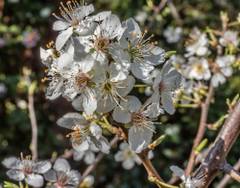
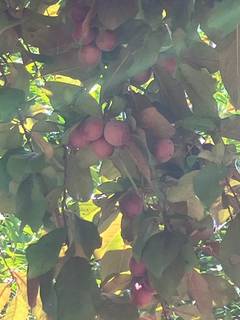
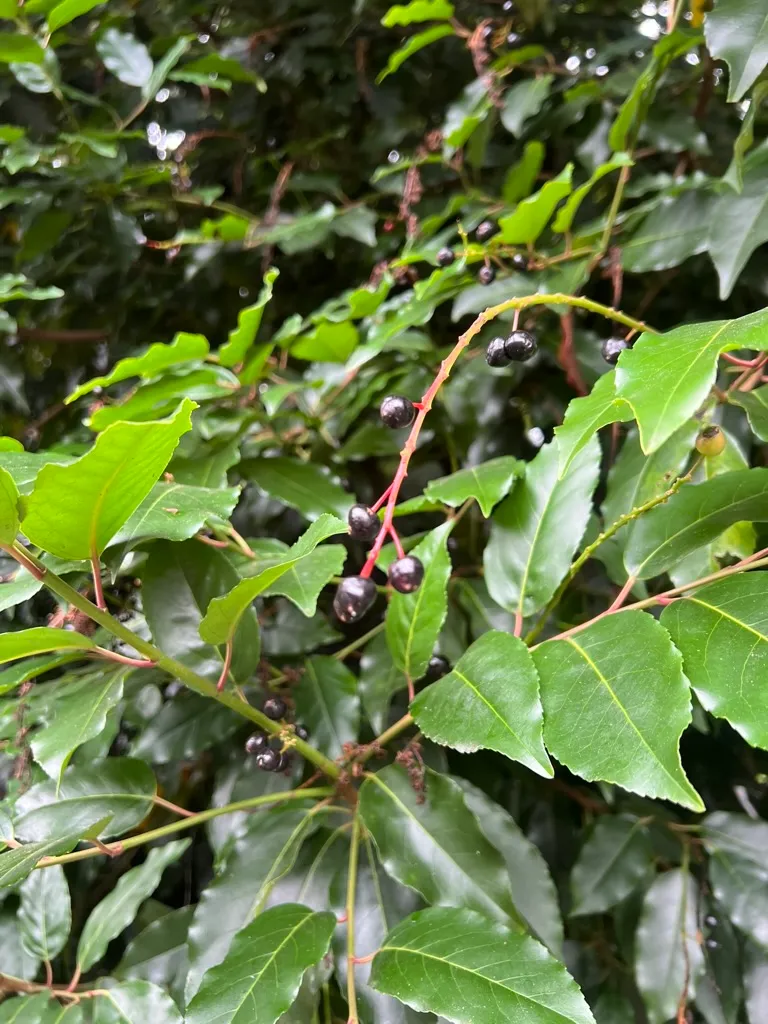
Prunus lusitanica is Portuguese laurel, an evergreen shrub or small tree growing 120–240 inches (300–600 cm / 10–20 feet) tall and 96–180 inches (240–450 cm / 8–15 feet) wide. Dark green glossy elliptic leaves 3–5 inches (7–13 cm) on dark red petioles — the red petioles distinguish P. lusitanica from the green-petioled P. laurocerasus (cherry laurel). Slender white fragrant flower racemes 6–10 inches (15–25 cm) in late spring to early summer, followed by small dark purple to black cherry-like fruit 0.3 inch (8 mm) in fall — consumed by birds. In the rose family (Rosaceae). The species name 'lusitanica' references Lusitania, the Roman name for Portugal. Tolerates alkaline and chalk soils — a key distinction from P. laurocerasus, which develops iron chlorosis on chalky soil. Hardier and more wind-tolerant than P. laurocerasus. Increasingly used as a hedging and screening substitute for cherry laurel. All parts contain cyanogenic glycosides (prunasin) — crushed foliage releases hydrogen cyanide (bitter almond scent). Leaves, bark, and fruit are toxic to humans and animals if ingested. Native to the Iberian Peninsula, southwestern France, the Azores, the Canary Islands, and Morocco. Adapts to a wide range of soils including clay and chalk. Drought-tolerant once established. Full sun to partial shade. Deer-resistant (toxic). Zones 7–9. Growth rate is moderate.
Native Range
Native to the Iberian Peninsula, southwestern France, the Azores, the Canary Islands, and Morocco, growing in moist forests, ravines, and rocky slopes.Suggested Uses
Grown as hedging, screening, and specimens in zones 7–9. Tolerates chalk and alkaline soils (alternative to P. laurocerasus on chalk). Red petioles. Fragrant flowers. All parts toxic. Deer-resistant.How to Identify
Appearance
Size & Dimensions
Height10' - 20'
Width/Spread8' - 15'
Bloom Information
Detailed Descriptions
Flower Description
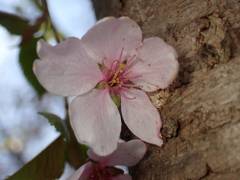
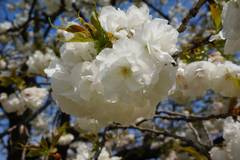
White, tiny, fragrant, in slender racemes 6-10 inches (15-25 cm)Foliage Description
Dark green, glossy, elliptic, 3-5 inches (7-13 cm), on dark red petiolesGrowing Conditions
Sun Requirements
Requires 4-8 hours of direct sunlight daily
• Full Sun: 6+ hours of direct sunlight
• Partial Shade: 3-6 hours of direct sunlight
• Full Shade: Less than 3 hours of direct sunlight
Care & Maintenance
Care Guide
Full sun to partial shade. Adapts to clay, chalk, and alkaline soils (unlike P. laurocerasus). Drought-tolerant once established. All parts contain cyanogenic glycosides — toxic (hydrogen cyanide released from crushed foliage). Deer-resistant. Zones 7–9.Pruning
Prune for shape in midsummer (July–August) after flowering. Tolerates hard renovation pruning. Suited to formal and informal hedging — use hand pruners (not shears) for a cleaner cut that avoids bisecting leaves.Pruning Schedule
Prune: July–August
summer
Container Growing
Suitable for container growing
Minimum container size: 15 gallons