Image 1 of 17
1 / 17
Plant Reference
Prunus, Genus, cerasifera, Species,
- Genus & species
purple leaf plum, cherry plum
Southeastern Europe and western Asia from the Balkans east through Turkey, the Caucasus, Iran, and Central Asia; hedgerows, woodland margins, and open rocky slopes; widely naturalized in western Europe, parts of North America, and Australia
Overview
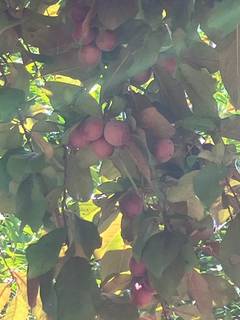
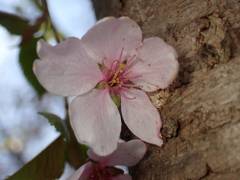
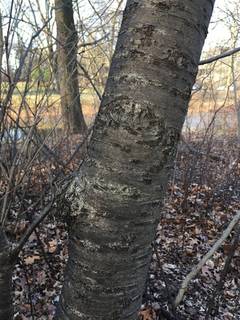
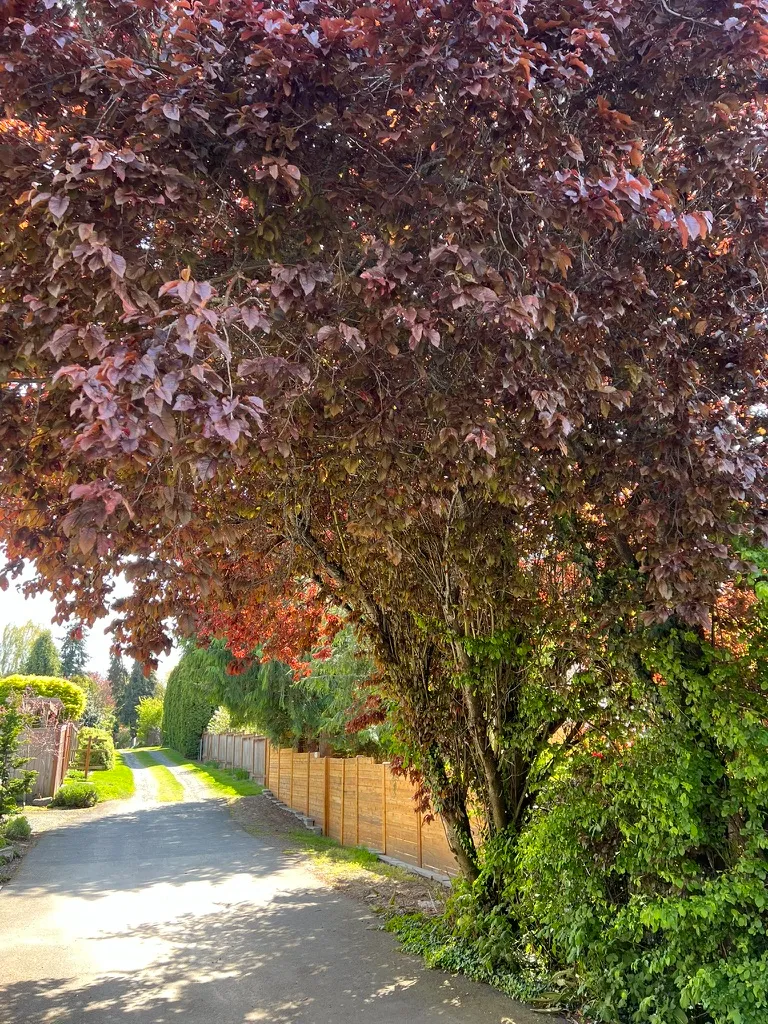
Prunus cerasifera is a small spreading deciduous tree in the family Rosaceae reaching 15-25 feet (4.6-7.6 m) tall and wide with a rounded to broadly spreading crown and smooth dark reddish-brown to gray bark that develops shallow fissures with age. The species type carries green foliage and white flowers, but purple-leaved cultivars — 'Atropurpurea' (also known as Pissard plum, introduced to France from Iran in 1880 and the ancestor of most purple-leaved plum cultivars in commerce), 'Thundercloud', and 'Krauter Vesuvius' — are planted more commonly than the species type across North American and European landscapes because of the season-long purple foliage color. Leaves are alternate, simple, ovate to obovate, 1.5-3 inches (4-8 cm) long, with finely serrate margins; purple cultivar foliage emerges deep reddish-purple and holds color through summer, fading somewhat toward bronze-green in hot humid weather. Single 5-petaled flowers 0.75-1 inch (2-2.5 cm) across open in February and March before or concurrent with leaf emergence — among the earliest spring-blooming deciduous trees in cultivation, and the bloom time is the signature Pacific Northwest early-spring ornamental event in cultivated residential landscapes. Flowers are white on the species type and pink on purple-leaved cultivars, and bloom is lightly fragrant. Small cherry-like drupes 0.75-1.25 inches (2-3 cm) across ripen red to purple in July and August on the species and on some cultivars, with fruit production varying from sparse to heavy between selections. Fruit is technically edible but sour and is used historically for preserves, liqueurs, and the base stock for cultivated plum breeding. Growth is moderate to fast at 12-24 inches (30-61 cm) per year, and trees are relatively short-lived at 20-30 years. Bacterial canker (Pseudomonas syringae) is the primary cause of premature decline in the Pacific Northwest and causes branch dieback, sunken cankers with amber gum exudation, and progressive tree death. All parts of the plant contain cyanogenic glycosides typical of the Prunus genus — leaves, seeds inside the pits, and bark release hydrogen cyanide when chewed or damaged, and the foliage and pits are toxic to humans, dogs, cats, and livestock on ingestion.
Native Range
Prunus cerasifera is native to southeastern Europe and western Asia, with a range extending from the Balkans east through Turkey, the Caucasus, Iran, and Central Asia. The species grows in hedgerows, woodland margins, and open rocky slopes in its native range. Outside of its native range the species has naturalized widely across western Europe, parts of North America (particularly the Pacific Northwest where bird-dispersed seedlings establish in fencerows and disturbed ground), and parts of Australia. The purple-leaved form 'Atropurpurea' (Pissard plum) was introduced to France from the garden of the Shah of Iran in 1880 and has since become the ancestor of nearly all purple-leaved plum cultivars in commerce.Suggested Uses
Planted as a specimen, accent tree, or mixed border component in residential landscapes at 15-20 foot (4.6-6 m) spacing in zones 4-9 for the combination of early pink or white spring flowers and season-long purple foliage on cultivars. The purple-leaved forms carry the strongest design value and are substituted for the species in virtually all ornamental plantings because of the dark foliage contrast with surrounding green landscapes. Combined with spring bulbs, Spiraea japonica, and golden-foliaged companions such as Physocarpus opulifolius 'Dart's Gold' for seasonal color contrast. Low-fruiting cultivars such as 'Krauter Vesuvius' are chosen for street-tree and walkway positions where fruit litter is a concern, and the species type carries value primarily as rootstock for grafted ornamental and fruiting plum cultivars rather than as a landscape tree in its own right. Not suited to positions adjacent to high-traffic walkways where fruiting cultivars drop sticky litter, landscapes with pets where foliage and fallen fruit pose an ingestion hazard, Pacific Northwest sites where recurring bacterial canker pressure shortens tree life below even the short 20-30 year natural lifespan, or long-term landscape investments where decades of continuity are wanted.How to Identify
Appearance
Size & Dimensions
Height15' - 25'
Width/Spread15' - 25'
Bloom Information
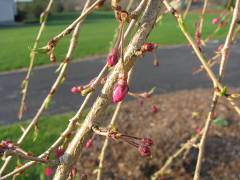
Single 5-petaled flowers 0.75-1 inch (2-2.5 cm) across open in February and March in zones 4-9, averaging 2-3 weeks of bloom. In the Pacific Northwest bloom typically begins in mid to late February and lasts through early March — earlier than almost any other cultivated deciduous tree in the region. Flowers are lightly fragrant and open before or concurrent with leaf emergence. Late frosts rarely damage the display because the flowers are cold-tolerant and resume opening when temperatures recover. Fruit ripens red to purple in July and August on fruiting cultivars, and production varies substantially between selections from nearly fruitless to heavy crops.
Detailed Descriptions
Flower Description
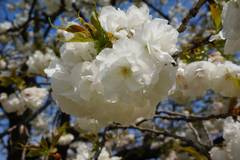
single 5-petaled flowers 0.75-1 inch (2-2.5 cm) across; white on the species type and pink on the purple-leaved cultivars; lightly fragrantFoliage Description
green on the species type and deep reddish-purple on the commonly grown 'Atropurpurea', 'Thundercloud', and 'Krauter Vesuvius' cultivars; alternate simple ovate to obovate leaves 1.5-3 inches (4-8 cm) long with finely serrate margins; purple cultivars hold color through summer and fade toward bronze-green in hot humid weatherGrowing Conditions
Sun Requirements
Requires 6-12 hours of direct sunlight daily
• Full Sun: 6+ hours of direct sunlight
• Partial Shade: 3-6 hours of direct sunlight
• Full Shade: Less than 3 hours of direct sunlight
Care & Maintenance
Care Guide
Plant in well-drained soil with a pH of 5.5-7.5 in full sun (6+ hours, because purple foliage color fades in shade). Tolerated soil types include loam, clay, and sand, and the species requires good drainage because root rot develops in waterlogged conditions. Water weekly through the first 2 growing seasons; established trees are moderately drought-tolerant. Bacterial canker (Pseudomonas syringae) is the main disease concern in the Pacific Northwest and causes branch dieback, sunken cankers, and amber gum exudation; infection enters through pruning wounds and bark injuries during cool wet spring and fall conditions, and infection pressure is lowest during dry summer weather. Aphids colonize new growth in spring and are washed off with water spray or left for natural predator buildup. Eastern tent caterpillar webs form in branch crotches in spring and are removed manually while small. Fruit drop from productive cultivars creates litter and staining on pavement, and low-fruiting cultivars such as 'Krauter Vesuvius' are chosen for positions adjacent to walkways and patios where the mess is a concern. All parts of the plant contain cyanogenic glycosides — leaves, seeds inside the pits, and bark release hydrogen cyanide on chewing or damage, and foliage and pits are toxic to humans, dogs, cats, and livestock on ingestion. The short lifespan of 20-30 years requires planning for replacement on a generational basis.Pruning
Pruning is done in midsummer (June through July) during dry weather because bacterial canker infection enters through pruning wounds during cool wet conditions — the dormant season pruning schedule typical of most deciduous trees is not appropriate for Prunus cerasifera in wet-winter climates such as the Pacific Northwest. Dead, damaged, and crossing branches are removed at the branch collar, and light canopy thinning improves air circulation. Heavy pruning stimulates a flush of weak water sprouts and is limited to structural correction work. Green-leaved reversion shoots on purple cultivars are removed as soon as they appear because the reversions outgrow the purple shoots and can gradually convert a purple tree to a green one over several seasons. Pruning during wet weather or during the dormant season in the Pacific Northwest creates open wounds during peak bacterial canker infection pressure and is not practiced there.Pruning Schedule
Prune: June–July
summer