Prunus, Genus, padus, Species,
- Genus & species
bird cherry
Overview
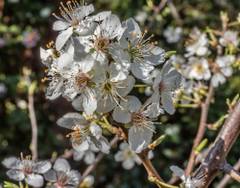
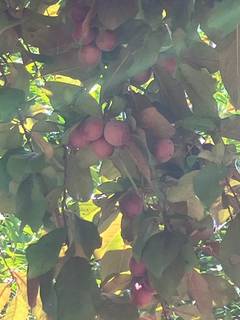
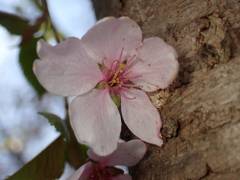
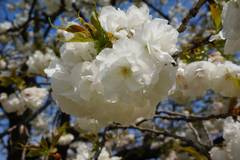
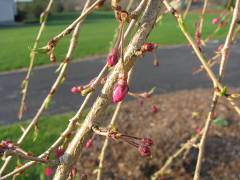
Prunus padus is a deciduous tree in the rose family, reaching 25-50 feet (8-15 m) tall with a rounded to spreading crown, sometimes growing as a large multi-stemmed shrub. The alternate elliptic leaves are 2-4 inches (5-10 cm) long with finely toothed margins, turning yellow to red before falling. Unlike most cherries, its small white flowers are carried in slender, drooping or spreading racemes 3-6 inches (8-15 cm) long that appear in late spring as the leaves expand, filling the air with an almond-like scent. Small, bitter, black cherries about 0.3 inch (6-8 mm) wide ripen in late summer and are quickly taken by birds, which spread the seed. Native to northern Europe and Asia, it grows along streams, in damp woodland, and on hillsides, and has naturalized in places beyond its range. The bark, leaves, and seeds contain cyanogenic compounds that are poisonous if eaten. The foliage is often webbed and stripped by larvae of the bird-cherry ermine moth, though affected trees usually releaf.
Native Range
Native across northern Europe and northern Asia, from Britain and Scandinavia east to Japan. It grows in moist woodlands, stream banks, and hillsides, often on damp, fertile soils.Suggested Uses
Grown as an ornamental and shade tree in parks, large gardens, and along streams, and in shelterbelts and naturalistic plantings. Its scented spring racemes and bird-friendly fruit suit wildlife and woodland settings. Selected forms such as P. padus 'Watereri' are grown for longer flower racemes.How to Identify
Appearance
Size & Dimensions
Height25' - 50'
Width/Spread20' - 30'
Bloom Information
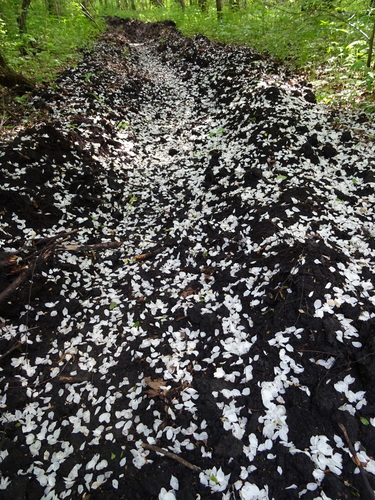
Flowers in late spring, generally April to May, producing long, tapering racemes of fragrant white blossom as the leaves unfold. The almond-scented flowers draw bees and other insects. Black fruit ripens through late summer and is stripped quickly by birds.
Detailed Descriptions
Foliage Description
Green, turning yellow to red in autumnGrowing Conditions
Sun Requirements
Requires 4-8 hours of direct sunlight daily
• Full Sun: 6+ hours of direct sunlight
• Partial Shade: 3-6 hours of direct sunlight
• Full Shade: Less than 3 hours of direct sunlight