Prunus, Genus, ilicifolia, Species,
- Genus & species
hollyleaf cherry
Overview
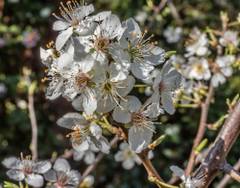
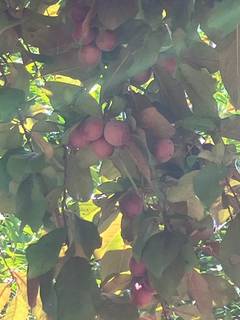
Prunus ilicifolia is a broadleaf evergreen shrub or small tree in the rose family (Rosaceae), reaching 8-30 feet (2.4-9 m) tall with a dense, rounded crown. The thick, glossy dark green leaves are 1-2 inches (2.5-5 cm) long with spiny, holly-like toothed margins that give the plant its name. In spring it bears slender upright clusters of small white five-petaled flowers 2-4 inches (5-10 cm) long. These ripen to round red to purplish-black cherries about 0.5-1 inch (1.5-2.5 cm) wide, each with a large stone and a thin layer of sweet, edible pulp. The dense evergreen foliage and slow growth make it a long-lived chaparral plant. It is highly drought-tolerant once established and resprouts from the base after fire or cutting. P. ilicifolia grows on dry slopes, canyons, and coastal scrub. Leaves and seeds contain cyanogenic compounds that are toxic to people and livestock if eaten.
Native Range
Native to California and Baja California, Prunus ilicifolia grows in coastal sage scrub, chaparral, and foothill woodland from the coast ranges and Sierra foothills south into northwestern Mexico. The Catalina cherry of the Channel Islands, with larger, flatter leaves, is treated as the subspecies P. ilicifolia ssp. lyonii.Suggested Uses
Used as an evergreen screen, hedge, or specimen in drought-tolerant and native California gardens, and in coastal and chaparral restoration. The dense foliage suits windbreaks and privacy plantings, and shearing keeps it as a formal hedge. Flowers feed pollinators and the fruit feeds birds and mammals.How to Identify
Appearance
Size & Dimensions
Height8' - 30'
Width/Spread8' - 25'
Bloom Information
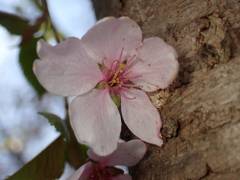
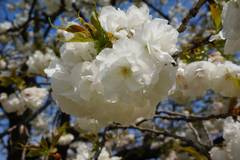
Flowers open in spring, generally March to May, in slender upright clusters along the branches. Bloom lasts about 3-4 weeks. Bees and other insects pollinate the white flowers, and fruit ripens from late summer into fall.
Detailed Descriptions
Foliage Description
glossy dark greenGrowing Conditions
Sun Requirements
Requires 4-10 hours of direct sunlight daily
• Full Sun: 6+ hours of direct sunlight
• Partial Shade: 3-6 hours of direct sunlight
• Full Shade: Less than 3 hours of direct sunlight
Care & Maintenance
Care Guide
Grows in full sun to part shade in well-drained soil across a pH from about 6.0 to 8.0, including poor, rocky, and sandy ground. Once established it tolerates extended summer drought and needs little or no irrigation in its native range, while summer water in heavy soil can cause root rot. It tolerates coastal wind and salt spray and accepts shearing into a hedge. Growth is slow to moderate, and plants are long-lived. It tolerates a range of soils but grows most reliably with sharp drainage. Established plants resprout strongly after cutting or fire.Pruning
Pruning is well tolerated. Plants are sheared or clipped in late winter or early spring to shape a hedge or screen, or thinned to expose the trunk of a small tree. Hard cutting back is followed by strong basal resprouting.Pruning Schedule
Prune: February–March
winterearly spring
Container Growing
Suitable for container growing
Minimum container size: 10 gallons