Prunus, Genus, serrulata, Species,
- Genus & species
(in the Sato-Zakura group)
Overview
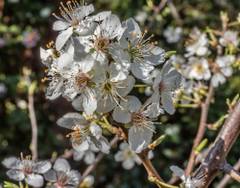
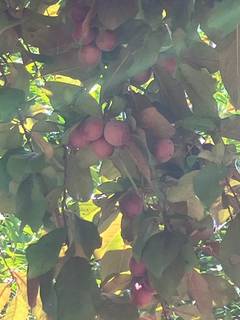
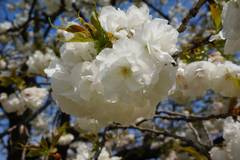
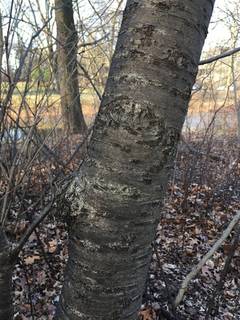
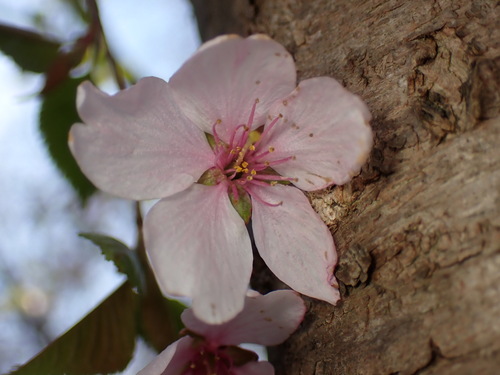
Prunus serrulata is the botanical name behind the Sato-Zakura, the group of Japanese flowering cherries refined in temple and garden cultivation over many centuries. In wild form it is a deciduous tree of 20-30 feet (6-9 m) in both height and spread, but habit varies widely among the named cherries, from stiffly upright to spreading to weeping. The spring flowers are the draw: depending on selection they run from single five-petaled to densely double forms of 20 or more petals, 1-2.5 inches (2.5-6 cm) wide, in white through deep pink. Bloom comes in April here, a week to three behind the Yoshino cherries, and double kinds hold longer than singles. Most produce little or no fruit. Leaves are 2-5 inches (5-13 cm) long with sharply saw-toothed margins, the trait the epithet serrulata records; they open bronze to coppery-red, mature deep green, and may finish orange to red-bronze. The smooth reddish-brown bark, banded with horizontal lenticels, carries winter interest. Trees grow at a moderate pace and are short-lived at 15-30 years, with bacterial canker the usual cause of early decline.
Native Range
The wild Prunus serrulata grows in hill and mountain forests of Japan, Korea, and China. The Sato-Zakura cherries are the product of centuries of Japanese selection and crossing, with several forms recorded as far back as the Heian period (794-1185).Suggested Uses
Set as a spring specimen in lawns, parks, gardens, and street plantings, 20-25 feet (6-7.6 m) from other trees. With upright ('Kanzan'), spreading ('Shirotae'), and weeping ('Kiku-shidare-zakura') forms available, a selection can be matched to most settings. Plan for replacement given the 15-30 year lifespan.How to Identify
Appearance
Size & Dimensions
Height20' - 30'
Width/Spread20' - 30'
Bloom Information
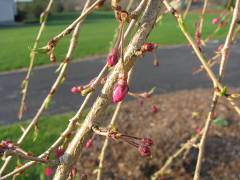
Flowering falls in April, roughly one to three weeks after the Yoshino cherries, and runs one to three weeks depending on weather and on whether a selection is single or double. Buds for the coming year set the previous summer. Wind and heavy rain cut the display short.
Detailed Descriptions
Flower Description
White to deep pink, varying by cultivarFoliage Description
Dark green, emerging bronze to coppery-redGrowing Conditions
Sun Requirements
Requires 6-12 hours of direct sunlight daily
• Full Sun: 6+ hours of direct sunlight
• Partial Shade: 3-6 hours of direct sunlight
• Full Shade: Less than 3 hours of direct sunlight
Care & Maintenance
Care Guide
Plant in full sun, six hours of direct light or more, in well-drained soil; heavy or waterlogged ground shortens the tree's life. Open siting with moving air lowers fungal pressure through the region's wet springs. Water new trees through the first two seasons and during long dry spells, since drought stress opens the door to borers and canker. Bacterial canker is the main threat, so prune in dry weather only. Cherry leaf spot may strip leaves early in wet years.Pruning
These cherries need little shaping, and their natural lines are part of the appeal, so prune sparingly. Take out dead, damaged, or crossing wood and any interior water sprouts. Work in dry summer weather, as wounds close slowly and let canker in. Avoid large cuts where possible.Pruning Schedule
Prune: June–July
summer