Salvia, Genus, nemorosa, Species, 'May Night', Cultivar,
- Genus & species
- Cultivar
may night woodland sage
Cultivar selected in Germany by Karl Foerster from Salvia nemorosa, which is native to central and eastern Europe and western Asia.
Overview
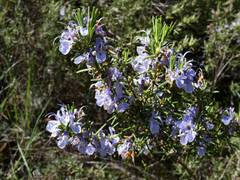
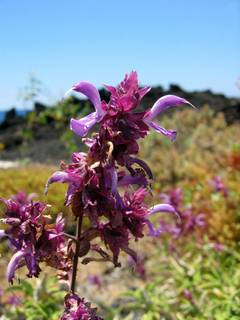
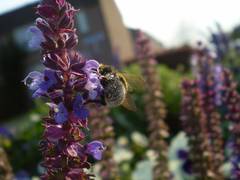
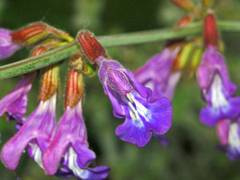
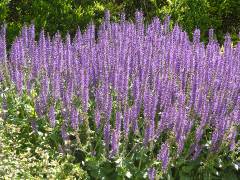
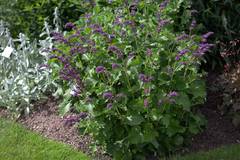
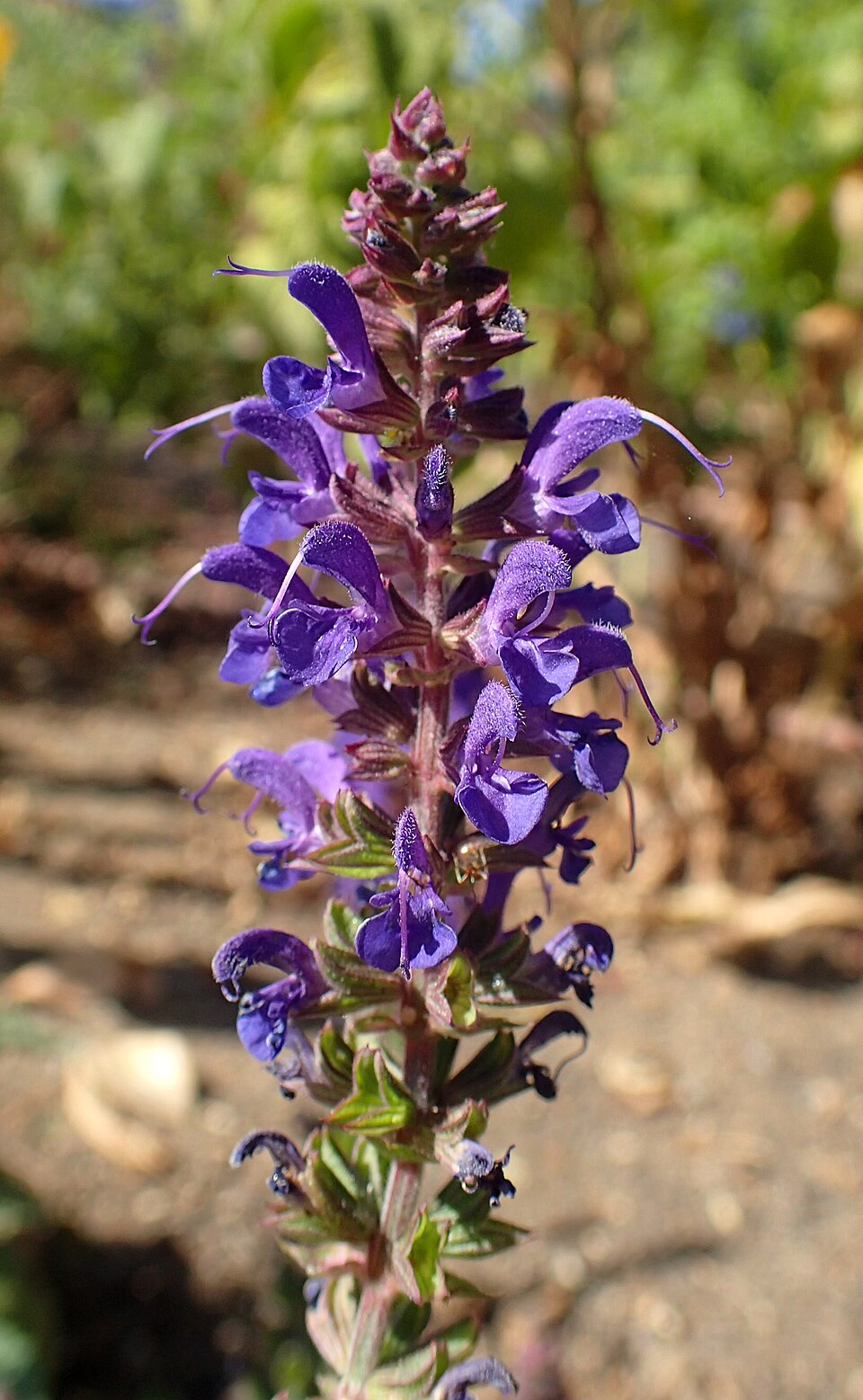
Salvia nemorosa May Night is a clump-forming herbaceous perennial in the mint family (Lamiaceae) reaching 18-24 inches (45-60 cm) tall and 18-24 inches (45-60 cm) wide. The cultivar (also sold under the German trade name Mainacht) was selected by German plantsman Karl Foerster in the mid-twentieth century and was named Perennial Plant of the Year by the Perennial Plant Association in 1997, which placed it in widespread North American garden circulation. Stems are square at the base (the diagnostic Lamiaceae stem cross-section), upright, branching only at the inflorescence. Leaves are opposite, lance-ovate, rugose (finely pebbly surface texture), softly pubescent, medium green with a slight aromatic quality when crushed (lighter than the camphor-sage scent of culinary S. officinalis). Dense upright spikes 4-7 inches (10-18 cm) long carry tubular two-lipped flowers 0.5 inch (12 mm) in deep indigo-violet, set against persistent near-black calyx bracts that remain ornamental for 2-3 weeks after the individual flowers fade, creating a two-tone effect that extends the visual display well beyond the flower bloom window itself. The dark bracts and indigo-violet flower color make May Night the darkest-toned cultivar in the Salvia nemorosa group, separating it from medium-blue Blue By You, lighter-blue Blue Queen, and the green-stemmed habit of the May Night versus the dark purple-black stems of Caradonna. Bloom timing is approximately one week earlier than the straight Salvia nemorosa species, which is the source of the May Night cultivar name. Shearing the planting back by half immediately after the first flush in late June or early July triggers a reliable second flush in late summer (August through September). Plants are heavily visited by bumblebees and other long-tongued bees that operate the Salvia staminal lever mechanism shared across the genus. Hardy in USDA zones 4-8 (-30°F / -34°C). Non-toxic. Deer resistance is high.
Native Range
Salvia nemorosa is native to central and eastern Europe and western Asia, where it grows in dry meadows, open woodlands, and rocky slopes. May Night is a cultivar selected in Germany by plantsman Karl Foerster (also spelled Karl Foerster), and the cultivar name in the original German nursery trade is Mainacht; both names appear in current North American horticultural use.Suggested Uses
Used in mixed perennial borders, cottage gardens, and pollinator plantings at 18-24 inch (45-60 cm) spacing. The deep indigo-violet color partners well with soft yellow and gold perennials such as Achillea Moonshine, Rudbeckia, Coreopsis, and the apricot-pink shrub roses. Container culture is straightforward in 3-gallon (11 liter) pots or larger. The cultivar carries the Perennial Plant Association Perennial Plant of the Year 1997 designation, which placed it in widespread garden use in the late 1990s and 2000s. The Salvia genus staminal lever mechanism is a teaching feature for flower morphology coursework.How to Identify
Appearance
Size & Dimensions
Height1'6" - 2'
Width/Spread1'6" - 2'
Bloom Information
Dense upright spikes 4-7 inches (10-18 cm) long of tubular two-lipped flowers 0.5 inch (12 mm) open in deep indigo-violet from late May through June, with the bloom progressing from the base of each spike upward over 3-4 weeks. Flower bloom is approximately one week earlier than the straight Salvia nemorosa species. The persistent near-black calyx bracts remain on the spike for 2-3 weeks after individual flowers fade, extending the visual display beyond the flower window. Shearing back by half immediately after the first flush in late June or early July triggers a second flush in August through September. Pollination is by bumblebees and other long-tongued bees that operate the Salvia staminal lever mechanism, depositing pollen on a precise location on the bee's back as it works each flower in sequence.
Detailed Descriptions
Flower Description
Deep indigo-violet flowers with near-black persistent calyx bracts; tubular two-lipped 0.5 inch (12 mm) flowers carried in dense upright spikes 4-7 inches (10-18 cm) long; the dark bracts remain ornamental for 2-3 weeks after individual flowers fadeFoliage Description
Medium green; opposite, lance-ovate, rugose (finely pebbly surface texture), softly pubescent, slightly aromatic when crushed; the rugose leaf surface is shared across the Salvia nemorosa group and separates the group from the smoother-leaved S. greggii cultivarsGrowing Conditions
Sun Requirements
Requires 6-12 hours of direct sunlight daily
• Full Sun: 6+ hours of direct sunlight
• Partial Shade: 3-6 hours of direct sunlight
• Full Shade: Less than 3 hours of direct sunlight
Care & Maintenance
Care Guide
Plant in full sun in average to lean well-drained soil at pH 6.0-8.0, with spacing of 18-24 inches (45-60 cm) apart in mass plantings. The cultivar tolerates rocky soils, sandy soils, and drought once established, and overwatering and rich soils encourage floppy growth and reduce flower spike count. Watering through the first growing season establishes the root system; once mature, plants survive extended dry periods without supplemental irrigation. Shearing back by half immediately after the first flush in late June or early July triggers a reliable second flush in August through September. Plants are divided every 3-4 years in early spring when the center becomes open and overall vigor declines. Deer and rabbit browse damage is rare on mature plantings, and the species is included in deer-resistant garden lists for both the foliage chemistry and the dense spike habit.Pruning
Shear the entire plant back by half immediately after the first flush of bloom finishes in late June or early July, which triggers a reliable second flush of flowers in August through September. In late fall or early spring, cut plants back to 4-6 inches (10-15 cm) to remove old stems before new growth begins. Divide established clumps every 3-4 years in early spring.Pruning Schedule
Prune: July & October
summerfall
Container Growing
Suitable for container growing
Minimum container size: 3 gallons