Rubus, Genus, vestitus, Species,
- Genus & species
vested blackberry
Overview
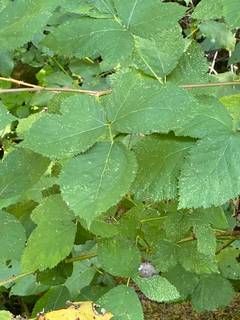
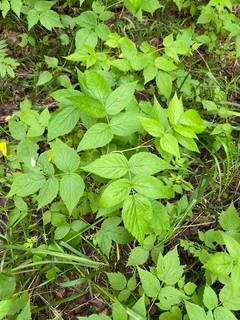
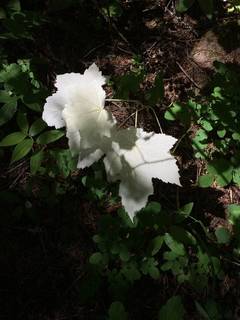
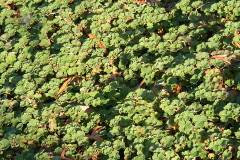
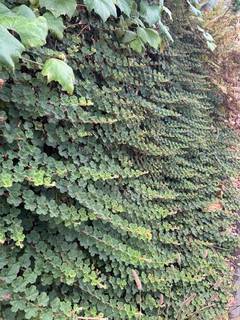
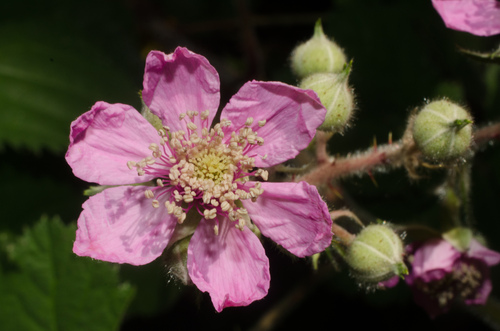
Rubus vestitus is a scrambling, arching shrub of the blackberry group, with biennial canes that root at the tips to form new plants. The canes are clothed in dense, soft, spreading hairs (the name vestitus means clothed) and armed with broad-based, slightly curved prickles, and reach 3-8 feet (0.9-2.4 m) long. The leaves usually have five rounded leaflets, hairy and green above and grey- to white-felted beneath. Pink to deep rose-pink flowers about 0.8-1.2 inches (2-3 cm) across open in flat clusters from June to August. The black, shining blackberries ripen from late summer into autumn. It grows in hedgerows, wood margins, scrub, and rough ground on neutral to slightly acid soils. Like other brambles, its tip-rooting canes and prickles let it form dense, hard-to-clear thickets.
Native Range
Native to western and central Europe, where it is one of many closely related microspecies in the blackberry aggregate, Rubus fruticosus agg. It grows in hedgerows, woodland edges, and scrub, and is naturalised in parts of North America and elsewhere.Suggested Uses
Grown or tolerated in wildlife hedges, boundary thickets, and rough corners, where its flowers and blackberries feed insects, birds, and mammals. The fruit is edible, used like other blackberries. Its dense, prickly growth forms a stock- and intruder-resistant barrier.How to Identify
Appearance
Size & Dimensions
Height3' - 8'
Width/Spread3' - 10'
Bloom Information
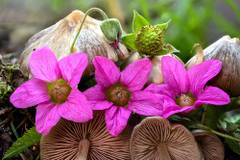
Pink to deep rose-pink flowers open in flat clusters from June to August. They are visited by bees, hoverflies, and butterflies, and are followed by black, shining blackberries that ripen from August into autumn.
Detailed Descriptions
Flower Description
Pink to rose-pinkFoliage Description
Green above, grey-white beneathGrowing Conditions
Sun Requirements
Requires 6-12 hours of direct sunlight daily
• Full Sun: 6+ hours of direct sunlight
• Partial Shade: 3-6 hours of direct sunlight
• Full Shade: Less than 3 hours of direct sunlight