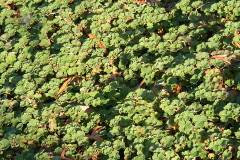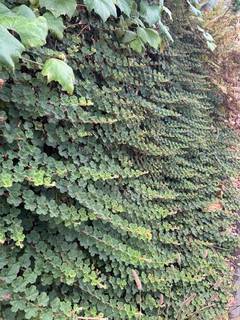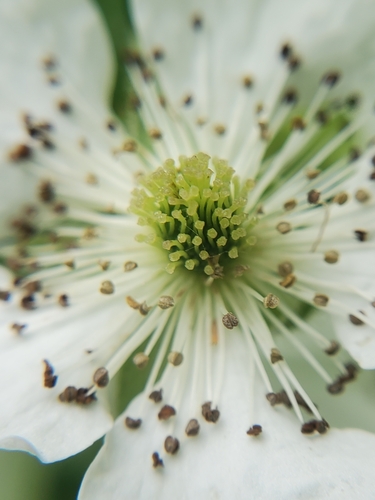
Rubus, Genus, allegheniensis, Species,
- Genus & species
allegheny blackberry
Overview
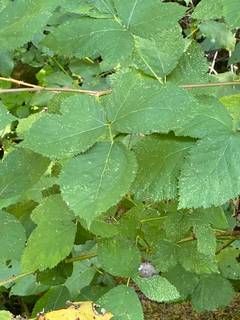
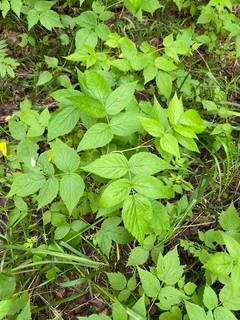
Rubus allegheniensis is a deciduous, cane-forming shrub native to eastern North America, growing 3-6 feet (0.9-1.8 m) tall and spreading by rhizomes and arching canes to form thickets several feet wide. The biennial canes are erect to arching, ridged or angled, and armed with stout, hooked prickles. Leaves are palmately compound with three to five toothed leaflets, each 2-4 inches (5-10 cm) long, turning red to purple before dropping in autumn. In late spring the plant bears clusters of white, five-petaled flowers about 1 inch (2.5 cm) across on the second-year canes. These mature into aggregate fruits that ripen from red to glossy black in midsummer, 0.5-1 inch (1.3-2.5 cm) long, edible and sweet. The canes follow a two-year cycle: first-year primocanes grow vegetatively, and second-year floricanes flower, fruit, then die. R. allegheniensis spreads aggressively and forms dense, prickly stands that can crowd out other vegetation. It tolerates a wide range of soils but needs full sun to fruit heavily. Birds and mammals feed on the fruit and shelter within the thickets.
Native Range
Rubus allegheniensis is native to eastern and central North America, from Nova Scotia and Ontario south to Georgia and west to Missouri and Minnesota. It grows in old fields, forest edges, clearings, and roadsides.Suggested Uses
R. allegheniensis is used in edible hedgerows, wildlife plantings, and naturalized field edges. It forms a thorny barrier and stabilizes banks with its spreading root system. Plants are spaced 3-4 feet (0.9-1.2 m) apart, with room for the thicket to expand.How to Identify
Appearance
Size & Dimensions
Height3' - 6'
Width/Spread3' - 8'
Bloom Information
R. allegheniensis blooms in late spring, generally May to June across its range. Flowers open on second-year floricanes over two to three weeks. Fruit ripens roughly two months later, from July into August.
Detailed Descriptions
Foliage Description
green, turning red to purple in fallGrowing Conditions
Sun Requirements
Requires 6-10 hours of direct sunlight daily
• Full Sun: 6+ hours of direct sunlight
• Partial Shade: 3-6 hours of direct sunlight
• Full Shade: Less than 3 hours of direct sunlight
Care & Maintenance
Care Guide
R. allegheniensis grows in full sun to part shade and adapts to most well-drained soils, from sandy loam to clay. Fruit production is heaviest in full sun. Water needs are moderate; established plants tolerate short dry spells but crop poorly in drought. Hardy in USDA zones 3-8, the canes withstand hard winters. The plant spreads by rhizomes and rooting cane tips and can become invasive in gardens without containment. Removing spent floricanes at ground level each year reduces disease and keeps stands productive.Pruning
Spent second-year floricanes die after fruiting and are cut to the ground in late summer or autumn. Thinning first-year primocanes to four or five per clump improves air circulation and berry size. Annual removal of old canes also limits the thickets spread.Pruning Schedule
Prune: August–September
summerfall