Rubus, Genus, parvifolius, Species,
- Genus & species
small-leaf bramble
Overview
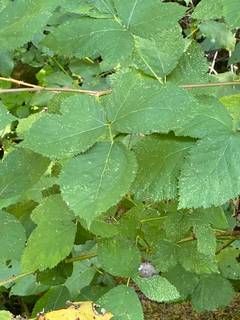
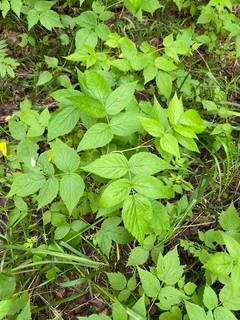
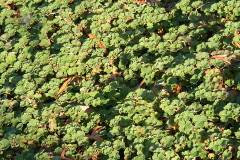
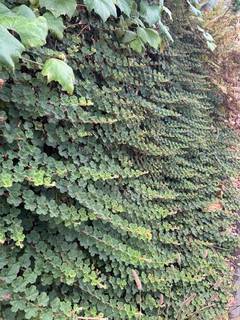
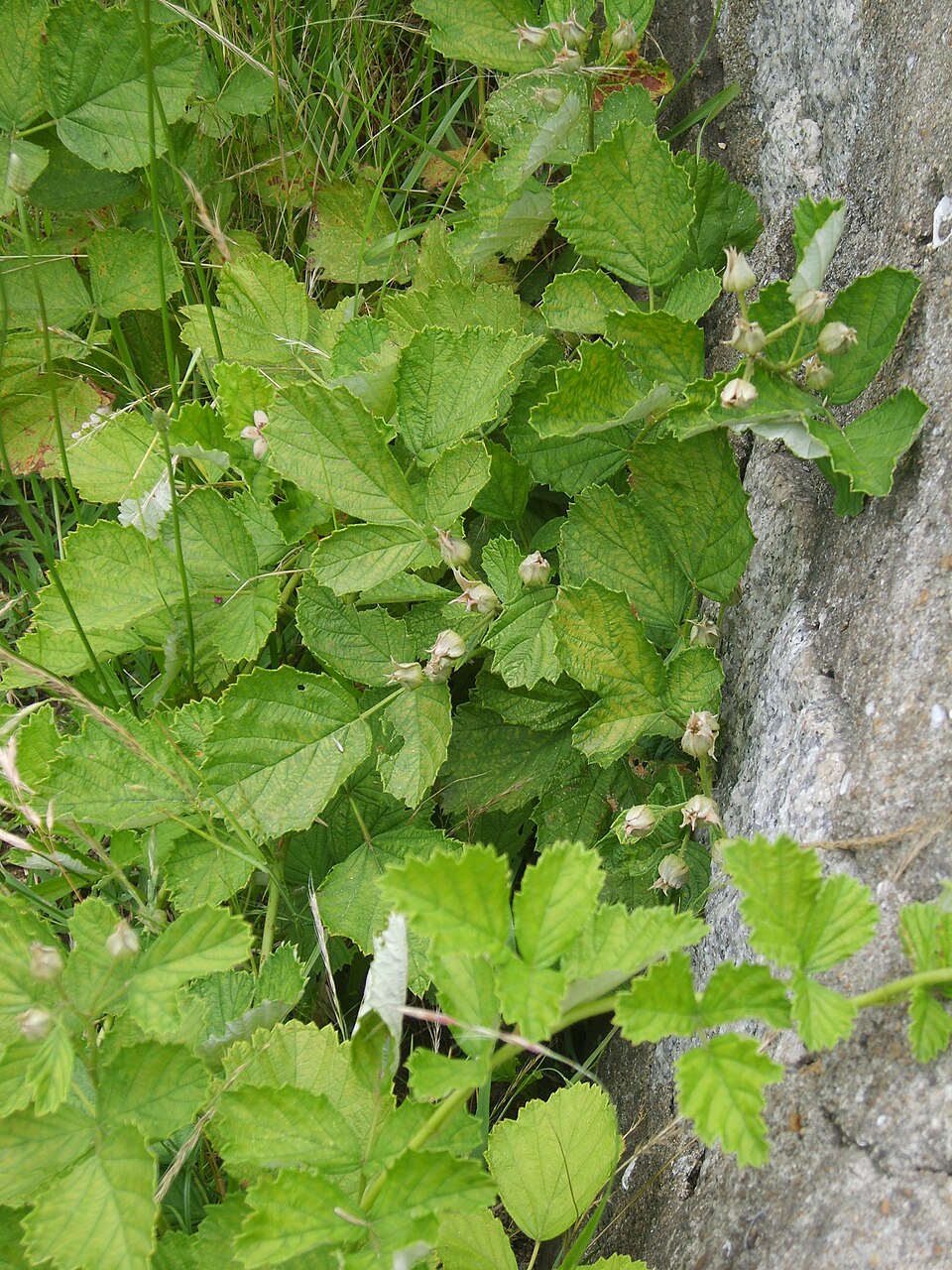
Rubus parvifolius, the small-leaf bramble or native raspberry, is a low, scrambling prickly shrub in the family Rosaceae found across eastern Asia and eastern Australia. Arching, reddish canes 1-5 feet (0.3-1.5 m) high and 3-8 feet (1-2.5 m) wide are armed with small curved prickles and clamber over other plants or trail along the ground, rooting where the tips touch soil. The compound leaves carry three to five rounded, toothed leaflets, green above and densely white-hairy beneath. Pink five-petalled flowers about 0.4-0.6 inch (10-15 mm) across open in loose clusters from spring into summer. They ripen to small red aggregate fruits like a raspberry, 0.3-0.5 inch (8-12 mm) across, which are edible and sweet and are taken by birds. The species grows along forest margins, creek banks, and disturbed clearings on a range of soils. Its prickly, suckering, tip-rooting growth lets it form dense thickets and can make it hard to contain in small gardens.
Native Range
Rubus parvifolius is native to eastern Australia and temperate eastern Asia, including China, Japan, and Korea. In Australia it grows from Queensland to Tasmania along forest edges, watercourses, roadsides, and clearings, on clay, loam, and sandy soils.Suggested Uses
Grown in native and wildlife gardens, on banks for erosion control, and as a low thicket for bird habitat and edible fruit. Suited to informal margins and naturalised areas where its spreading habit has room. Spaced 4-6 feet (1.2-1.8 m) apart, with space to contain its suckers.How to Identify
Appearance
Size & Dimensions
Height1' - 5'
Width/Spread3' - 8'
Bloom Information
Detailed Descriptions
Foliage Description
green above, white-hairy beneathGrowing Conditions
Sun Requirements
Requires 5-10 hours of direct sunlight daily
• Full Sun: 6+ hours of direct sunlight
• Partial Shade: 3-6 hours of direct sunlight
• Full Shade: Less than 3 hours of direct sunlight
Care & Maintenance
Care Guide
Grows in full sun to part shade on moist, freely draining loamy, clay, or sandy soils. Even moisture during spring and summer supports flowering and fruiting, while prolonged drought reduces both. The canes root where their tips reach the ground and send up suckers, so the plant spreads and may need containing in cultivated beds. Frost is tolerated, and growth dies back somewhat in cold winters before reshooting. A spring feed and mulch support cane growth. Thinning old canes after fruiting keeps the clump open and productive.Pruning
Cutting out the oldest spent canes at ground level after fruiting renews the clump and limits congestion. Tip-rooted and suckering stems can be removed at any time to curb spread. The curved prickles make handling the canes awkward without gloves.Pruning Schedule
Prune: February–March
summerfall
Container Growing
Suitable for container growing
Minimum container size: 5 gallons