Rubus, Genus, chamaemorus, Species,
- Genus & species
cloudberry
Circumpolar boreal and arctic regions
Overview
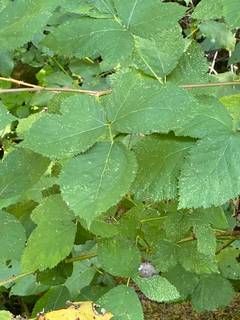
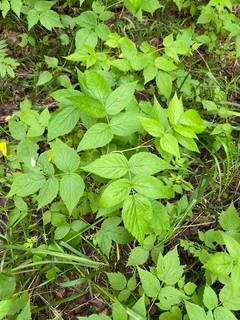
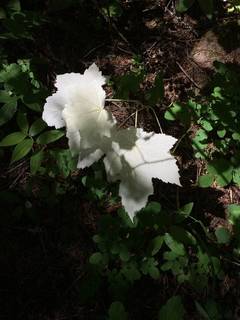
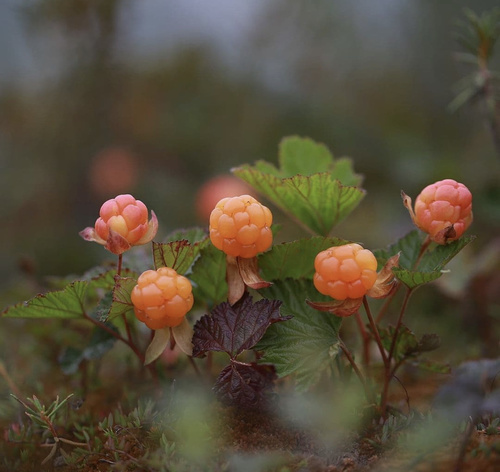
Rubus chamaemorus is a low, creeping, herbaceous perennial in the Rosaceae, spreading by slender underground rhizomes and reaching only 4–10 inches (10–25 cm) tall. Unlike most brambles, it bears no prickles and dies back to the rhizome each winter. Each erect stem carries one to three rounded, palmately 5–7 lobed leaves 1.5–3 inches (4–8 cm) wide, with wrinkled, toothed margins. The plant is dioecious, with separate male and female plants; each stem produces a single white, five-petalled flower about 0.8–1.2 inches (2–3 cm) across from June to August. Fertilised female flowers develop into an aggregate berry that ripens from red to a soft amber-orange, roughly 0.4–0.6 inch (10–15 mm) wide. It grows in acidic peat bogs, wet tundra, and moorland across the circumpolar boreal and arctic zones. Because male and female plants are separate, isolated clones set no fruit, and the species is slow to establish away from cold, permanently wet peat. Growth is sparse and yields are low in cultivation.
Native Range
Native to the circumpolar boreal and arctic regions of northern Europe, Asia, and North America. It grows in acidic peat bogs, blanket mire, and wet tundra.Suggested Uses
Grown in bog gardens, peat beds, and conservation plantings on acidic wetland soils. The amber fruit is harvested for jams, liqueurs, and traditional northern dishes.How to Identify
Appearance
Size & Dimensions
Height4" - 10"
Width/Spread1' - 2'
Bloom Information
Single white flowers open from June to August, one per stem, with male and female flowers on separate plants. Fruit ripens from red to amber-orange in late summer, weeks after flowering.
Detailed Descriptions
Foliage Description
greenGrowing Conditions
Sun Requirements
Requires 4-8 hours of direct sunlight daily
• Full Sun: 6+ hours of direct sunlight
• Partial Shade: 3-6 hours of direct sunlight
• Full Shade: Less than 3 hours of direct sunlight
Care & Maintenance
Care Guide
Grows in full sun to light shade on permanently wet, strongly acidic peat. Water needs are high, and the plant fails on dry, neutral, or fertile soils. It is propagated from rhizome cuttings or division, since seed is slow and erratic, and both male and female plants are needed for fruit. Cool summers and cold winters suit it, and it declines in warm lowland gardens. It withstands extreme winter cold but resents heat and drought. It is hardy to roughly USDA zone 2.Pruning
No pruning is required for this low herbaceous plant. Dead stems collapse and rot into the peat over winter. Spread is managed by lifting wandering rhizomes where needed.Container Growing
Suitable for container growing
Minimum container size: 3 gallons