Rubus, Genus, trivialis, Species,
- Genus & species
southern dewberry
Overview
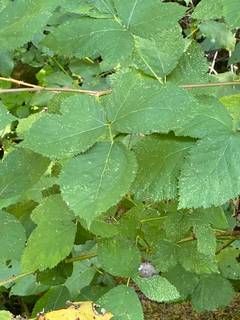
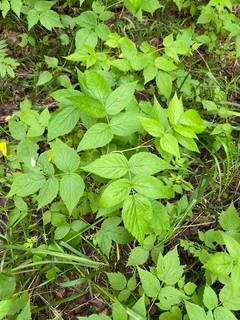
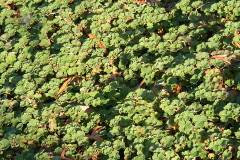
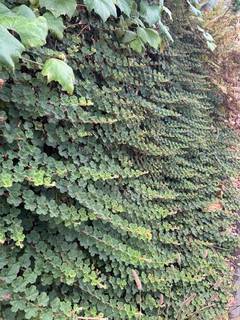
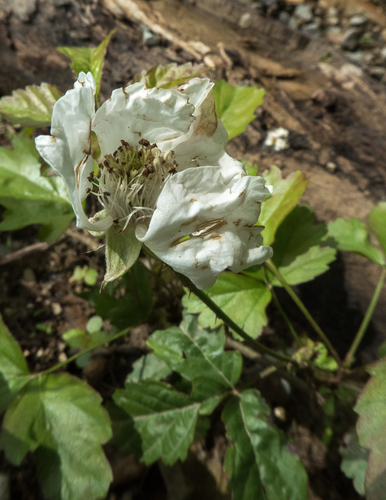
Rubus trivialis is a low, trailing bramble in the rose family, with prickly, reddish, ground-hugging canes that root at the tips and can extend 6-15 feet (1.8-4.5 m) but rarely rise more than 1-2 feet (30-60 cm) off the ground. The stems are armed with stiff, curved prickles and bristly red hairs. Leaves are evergreen to semi-evergreen, divided into three or five toothed, leathery leaflets. White, five-petaled flowers about 1 inch (2.5 cm) across open in early spring, singly or in small clusters. They are followed by black, juicy aggregate fruits 0.5-1 inch (1.3-2.5 cm) long that ripen from April to June, earlier than most blackberries. The fruit is sweet and eaten fresh or used in pies and jam. Plants spread by rooting cane tips and seed to form dense, thorny, tangled patches. They grow in open woods, fields, fencerows, and disturbed sandy ground across the southeastern United States. The trailing thorny stems can be hard to clear once established. Birds and mammals eat the fruit and spread the seeds.
Native Range
Rubus trivialis is native to the southeastern United States, from Virginia and Florida west to Texas and Oklahoma. It grows in open woodland, old fields, roadsides, fencerows, and sandy disturbed ground, often in full sun.Suggested Uses
Grown for its early fruit in informal and edible gardens, and used as a thorny groundcover or barrier on banks. It naturalizes in wildlife plantings where birds feed on the fruit. The trailing habit also helps hold sandy soil.How to Identify
Appearance
Size & Dimensions
Height1' - 2'
Width/Spread6' - 15'
Bloom Information
White, five-petaled flowers open in early spring, from February to April depending on region. Black fruit ripens soon after, from April through June. Flowering and early fruiting come weeks ahead of most upright blackberries.
Detailed Descriptions
Foliage Description
greenGrowing Conditions
Sun Requirements
Requires 6-12 hours of direct sunlight daily
• Full Sun: 6+ hours of direct sunlight
• Partial Shade: 3-6 hours of direct sunlight
• Full Shade: Less than 3 hours of direct sunlight
Care & Maintenance
Care Guide
Plants grow in full sun to light shade in sandy, well-drained soil and tolerate poor, dry ground once established. They withstand heat and drought and need little care. Spread is by rooting cane tips and seed, forming dense, thorny patches that can be hard to contain. The trailing canes root wherever they touch soil, so containment may be needed in small gardens. Plants fruit on second-year canes. Hardy in USDA zones 6 to 9.Pruning
Canes that have fruited can be cut out at the base after harvest, since they die back naturally. Removing rooted cane tips controls spread. Thinning the tangle of canes improves access to the fruit.Pruning Schedule
Prune: June–July
summer