Rubus, Genus, rosifolius, Species,
- Genus & species
roseleaf bramble
Overview
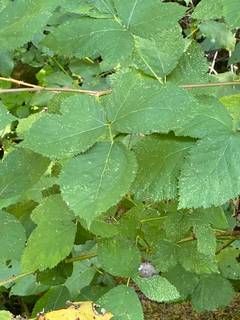
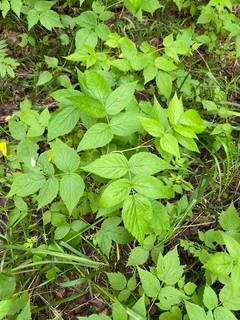
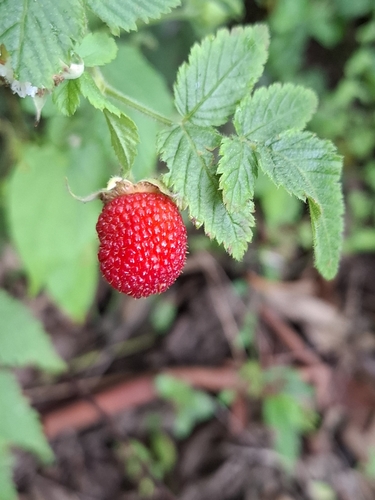
Rubus rosifolius is a deciduous to semi-evergreen shrub in the Rosaceae family with arching, prickly canes reaching 2-6.5 feet (0.6-2 m) tall. The compound leaves have 5-7 toothed leaflets 1-2.5 inches (2.5-6 cm) long, resembling the foliage of a rose, and the canes carry slender straight prickles. White flowers 0.8-1.6 inches (2-4 cm) across open singly or in small groups from spring into summer. The fruit is a red, hollow aggregate 0.4-0.8 inch (1-2 cm) long that ripens in summer; it is edible but watery and mild in flavor. Canes are biennial, growing one year and fruiting the next before dying back, while the perennial root system produces new canes each season. Growth is rapid, and the plant spreads by seed and by suckering roots, forming thickets that can crowd other plantings and naturalize beyond cultivation in mild climates.
Native Range
Native to eastern Australia and to subtropical and temperate Asia, from the Himalayas through southern China to Japan and Southeast Asia. Grows along forest margins, clearings, and creek banks in moist, partly shaded sites. Naturalized in Hawaii, southern Africa, and other warm regions.Suggested Uses
Grown in fruiting and edible gardens and in informal native plantings, spaced 3-5 feet (0.9-1.5 m) apart. The suckering, self-seeding habit makes it difficult to contain in small or formal gardens. The fruit is eaten fresh or cooked, though it is mild and watery compared with cultivated raspberries.How to Identify
Appearance
Size & Dimensions
Height2' - 6'6"
Width/Spread3' - 6'
Bloom Information
Detailed Descriptions
Foliage Description
greenGrowing Conditions
Sun Requirements
Requires 4-8 hours of direct sunlight daily
• Full Sun: 6+ hours of direct sunlight
• Partial Shade: 3-6 hours of direct sunlight
• Full Shade: Less than 3 hours of direct sunlight
Care & Maintenance
Care Guide
Grows in full sun to part shade on moist, well-drained soil with added organic matter. Water during dry spells to maintain fruiting; growth and fruit set drop under prolonged drought. The plant suckers from the roots and self-seeds, spreading into a thicket and into adjacent areas. Old fruited canes die back and can be removed at the base each year. Sap-sucking insects and leaf rust can affect the foliage in humid conditions.Pruning
Remove canes that have fruited at ground level once they die back, as they do not produce again. Thin crowded new canes to limit the density of the thicket. Cutting back suckers along the margins restricts the spread.Pruning Schedule
Prune: February–March
summerfall
Container Growing
Suitable for container growing
Minimum container size: 5 gallons