Rubus, Genus, ursinus, Species,
- Genus & species
trailing blackberry
British Columbia south through Washington, Oregon, and California; forest edges, open woodlands, and disturbed ground
Overview
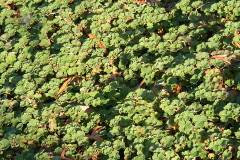
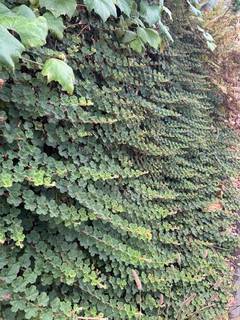
Rubus ursinus (trailing blackberry, Pacific blackberry) is the native blackberry of the Pacific Northwest, a trailing semi-evergreen vine with canes 6–24 inches (15–60 cm) tall that spread 72–240 inches (180–600 cm / 6–20 feet). White 5-petaled flowers 0.5–1 inch (12–25 mm) appear in late spring (May–June) for about 3 weeks. Small black edible berries 0.5 inch (12 mm) ripen in summer. Dark green trifoliate leaves (3 leaflets) with toothed margins sit on canes bearing small prickles — smaller and finer than the stout recurved thorns of the invasive Himalayan blackberry (R. armeniacus). The species belongs to Rosaceae. Ursinus = of bears (bears eat the fruit). Dioecious: separate male and female plants — both are needed for fruit set. The trailing canes root at the tips where they contact soil. R. ursinus is a parent species of cultivated berries including 'Boysenberry,' 'Loganberry,' and 'Marionberry' (the state fruit of Oregon is the Marionberry, a cross involving R. ursinus and R. idaeus). The native R. ursinus is being displaced throughout the Pacific Northwest by the invasive R. armeniacus, which forms impenetrable thickets. The trailing habit and tip-rooting canes require management to contain spread — this is the principal cultural limitation. Drought-tolerant once established. Non-toxic — fruit edible. Hardy in zones 5–9.
Native Range
Native to British Columbia south through Washington, Oregon, and California, growing at forest edges, open woodlands, and disturbed ground.Suggested Uses
Used in native plantings, wildlife gardens, and on low fences or trellises in zones 5–9, spaced 36–72 inches (90–180 cm). A parent species of cultivated 'Boysenberry,' 'Loganberry,' and 'Marionberry.' Dioecious — both sexes needed for fruit. Canes bear small prickles. Non-toxic — fruit edible. Native.How to Identify
Appearance
Size & Dimensions
Height6" - 2'
Width/Spread6' - 20'
Bloom Information
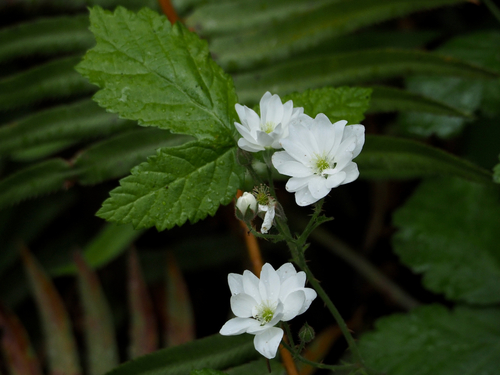
Late spring (May–June) over about 3 weeks. White 5-petaled flowers 0.5–1 inch (12–25 mm). Dioecious — both male and female plants are needed for fruit set. Small black edible berries 0.5 inch (12 mm) ripen in summer.
Detailed Descriptions
Flower Description
White; 5-petaled; 0.5-1 inch (12-25 mm); dioecious (separate male and female plants); May-June; followed by small black edible berries 0.5 inch (12 mm) in summerFoliage Description
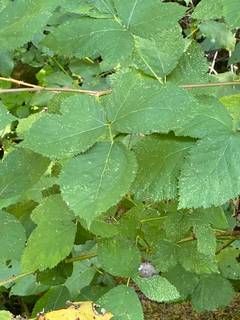
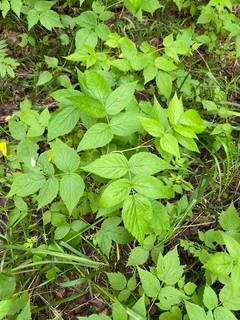
Dark green; trifoliate (3 leaflets); toothed margins; 2-4 inches (5-10 cm) per leaflet; canes have small pricklesGrowing Conditions
Sun Requirements
Requires 4-8 hours of direct sunlight daily
• Full Sun: 6+ hours of direct sunlight
• Partial Shade: 3-6 hours of direct sunlight
• Full Shade: Less than 3 hours of direct sunlight
Care & Maintenance
Care Guide
Grows in part sun to full sun with 4–8 hours of direct light. Tolerates loam or clay at pH 5.5–7.5. Drought-tolerant once established. Dioecious — both male and female plants are needed for fruit set. The trailing canes root at the tips and spread laterally; containment requires periodic removal of tip-rooted canes. Canes bear small prickles. Non-toxic — fruit edible. Suitable for zones 5–9.Pruning
Remove fruited canes in late winter (February–March) — the trailing canes fruit on second-year wood. Contain lateral spread by removing tip-rooted canes. The vine can be trained on a low fence or trellis, or allowed to trail as a groundcover.Pruning Schedule
Prune: February–March
early spring