Rubus, Genus, fruticosus, Species,
- Genus & species
blackberry
Overview
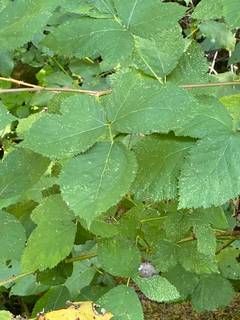
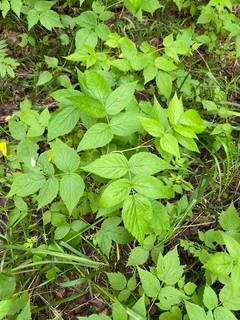
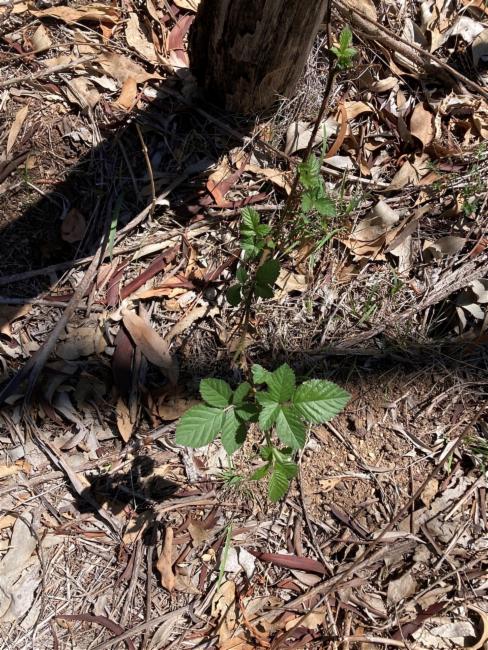
Rubus fruticosus is a deciduous to semi-evergreen shrub in the rose family, forming a thicket of arching, prickly canes 3-10 feet (0.9-3 m) long. The name covers an aggregate of many closely related microspecies. First-year canes grow without flowering and are ridged, green to reddish, and armed with curved prickles; second-year canes flower and fruit, then die. Leaves are palmately compound with three to five toothed leaflets 1.5-3.5 inches (4-9 cm) long, green above and paler beneath. Clusters of white to pale pink five-petalled flowers about 1 inch (2.5 cm) across open from late spring into summer, followed by aggregate fruits that ripen from green through red to black, 0.5-1 inch (1.3-2.5 cm) long, from midsummer into autumn. Canes root where their tips touch the ground, and the plant spreads by these tips and by suckers to form dense thickets. It is classed as a noxious weed in parts of the western United States, Australia, and New Zealand. Prickles on the canes and leaf undersides catch on skin and clothing.
Native Range
Native to Europe and widely naturalized across temperate regions worldwide. Grows in hedgerows, woodland margins, scrub, wasteland, and disturbed ground in a wide range of soils. Naturalized and invasive in the Pacific Northwest, Australia, and New Zealand.Suggested Uses
Grown for fruit in kitchen gardens and on trellises or wires at 4-8 foot (1.2-2.4 m) spacing. Used in wildlife hedging and informal boundaries where the thicket habit and thorns form a barrier. Spreading, rooting canes make it difficult to contain in small or formal gardens.How to Identify
Appearance
Size & Dimensions
Height3' - 10'
Width/Spread6' - 15'
Bloom Information
Detailed Descriptions
Flower Description
White to pale pinkFoliage Description
GreenGrowing Conditions
Sun Requirements
Requires 4-8 hours of direct sunlight daily
• Full Sun: 6+ hours of direct sunlight
• Partial Shade: 3-6 hours of direct sunlight
• Full Shade: Less than 3 hours of direct sunlight
Care & Maintenance
Care Guide
Grows in full sun to part shade in most soils with adequate moisture; fruiting is heavier in full sun. Tolerates poor and disturbed ground and establishes quickly from cane tips and suckers. Water during establishment and during fruit development in dry spells for larger berries. Canes spread widely and root at the tips, forming thickets that crowd out other plants. Cane borers and fungal cane blight occur where old canes are left standing. Self-sown seedlings and rooting tips appear well beyond the original planting.Pruning
Cut second-year canes to the ground after they finish fruiting, since they die back on their own. Thin and tie in first-year canes during the growing season to manage the thicket. Remove rooted cane tips and suckers in spring to limit spread.Pruning Schedule
Prune: March & August–September
summerfallearly spring