Rubus, Genus, rolfei, Species,
- Genus & species
creeping bramble
Native to Taiwan and the Philippines — montane forest understory, forest margins, and rocky slopes at moderate to high elevations on well-drained substrates with consistent moisture from cloud-forest precipitation
Overview
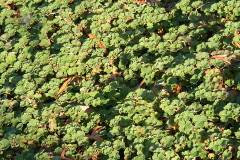
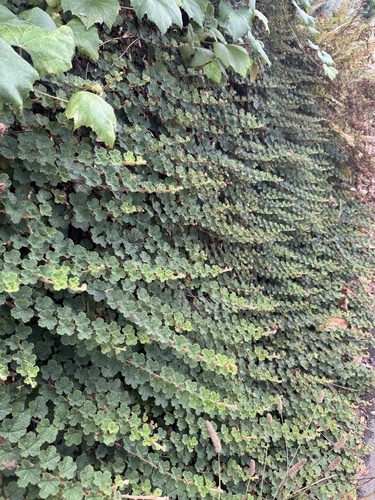
Rubus rolfei is creeping bramble (crinkle-leaved creeper), a low prostrate evergreen perennial ground cover in the rose family Rosaceae growing 2-4 inches (5-10 cm) tall and spreading 3-6 feet (0.9-1.8 m) wide by rooting along the prostrate stems at the nodes to form a dense evergreen mat across the ground surface. The species has been sold under the names Rubus calycinoides and Rubus pentalobus in the horticultural trade, and the nomenclatural history reflects taxonomic revisions within the genus — the currently accepted name R. rolfei honors the British botanist Robert Allen Rolfe. The species' most identifying foliage character is the deeply wrinkled (rugose) leaf texture: dark green rounded palmately lobed leaves 1-2 inches (2.5-5 cm) across are deeply impressed by the venation pattern, producing the crinkled surface that is the source of the alternative common name crinkle-leaved creeper. The leaf undersides are densely white-hairy (tomentose), and the dense tomentum is a species-level diagnostic visible when the leaf is turned over. The species is thornless — a character not shared by most other species in the genus Rubus, which are typically armed with prickles or thorns that serve as anti-browsing defenses. White five-petaled rose-like flowers 0.75-1 inch (2-2.5 cm) are carried solitary or in small clusters above the foliage mat in late spring through midsummer (May through July) across an 8-week bloom, and the flowers are followed by small red aggregate berry-like fruits in summer that are edible but bland. The species tolerates deep shade and sustained shade conditions better than most evergreen ground covers in the zone 7-9 range, and is one of the more dependable evergreen ground-covering options for moist shaded positions under shrubs, trees, and on north-facing slopes where most turf grasses and sun-requiring ground covers fail. Limitation: the species is not drought-tolerant and calls for consistent moisture throughout the growing season — extended summer drought produces leaf browning and dieback of the prostrate stems, and the moisture requirement restricts use to irrigated or naturally moist positions and excludes dry-shade sites. Non-toxic. Deer-resistant.
Native Range
Native to Taiwan and the Philippines — montane forest understory, forest margins, and rocky slopes at moderate to high elevations with consistent moisture from cloud-forest precipitation. The species has been sold in the horticultural trade under the names Rubus calycinoides and Rubus pentalobus, and the currently accepted name R. rolfei honors the British botanist Robert Allen Rolfe.Suggested Uses
Used as a shade-tolerant evergreen ground cover under shrubs and trees, on moist north-facing slopes and shaded banks, as a ground-plane mat in woodland-edge plantings, as a path-edge softener in shaded garden positions, and in containers and hanging baskets of at least 2 gallons (7.5 L) where the prostrate stems trail over the container rim at 24-36 inch (60-90 cm) spacing between plants in USDA zones 7 through 9. The deeply wrinkled (rugose) dark green evergreen foliage mat, the thornless character not shared by most other Rubus species, the deep-shade tolerance that supports positions under shrubs and trees and on north-facing slopes where most ground covers fail, the white rose-like flowers across an 8-week late-spring-through-midsummer bloom, and the non-toxic deer-resistant character combine to make Rubus rolfei a foundation shade-tolerant evergreen ground cover for moist positions in mild-winter landscapes. Dry-shade and drought-prone positions are unsuitable because of the species' consistent-moisture requirement. Full-sun hot-exposure positions are unsuitable because the foliage scorches under sustained direct afternoon sun in the warmer parts of the zone 7-9 range.How to Identify
Appearance
Size & Dimensions
Height2" - 4"
Width/Spread3' - 6'
Bloom Information
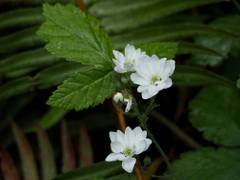
Late spring through midsummer (May through July) across an 8-week bloom period. White five-petaled rose-like flowers 0.75-1 inch (2-2.5 cm) across, solitary or in small clusters of 2-3 on short upright pedicels above the foliage mat. Small bees and flies work the flowers for nectar and pollen across the bloom period. Small red aggregate berry-like fruits follow in summer — the fruits are edible but bland and are consumed by ground-foraging birds.
Detailed Descriptions
Flower Description
white five-petaled rose-like flowers 0.75-1 inch (2-2.5 cm) across, solitary or in small clusters of 2-3 on short upright pedicels above the foliage mat in late spring through midsummer (May through July) across an 8-week bloom period; the flowers are followed by small red berry-like aggregate fruits in summer — the fruits are edible but bland and are consumed by ground-foraging birds across the growing seasonFoliage Description
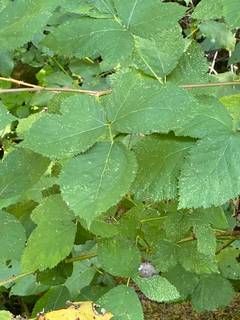
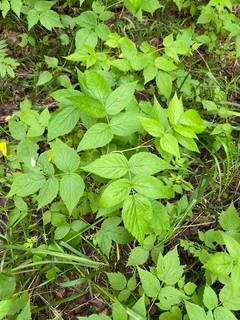
dark green and deeply wrinkled (rugose) above with strongly impressed venation creating the crinkled texture that is the source of the alternative common name crinkle-leaved creeper, pale and densely white-hairy (tomentose) beneath, with rounded palmately lobed leaves 1-2 inches (2.5-5 cm) across on prostrate stems that root at the nodes to form a spreading evergreen mat; the species is thornless — a character not shared by most other species in the genus Rubus (which are typically armed with prickles or thorns); evergreen year-round in zones 7-9Growing Conditions
Sun Requirements
Tolerates up to 6 hours of direct sunlight daily
• Full Sun: 6+ hours of direct sunlight
• Partial Shade: 3-6 hours of direct sunlight
• Full Shade: Less than 3 hours of direct sunlight
Care & Maintenance
Care Guide
Site in part shade to full shade with 0-6 hours of direct sun per day in moist well-drained loam or clay soil with a pH of 5.5-7.0. Water regularly during the growing season to maintain consistent moisture — the species is not drought-tolerant and extended summer drought produces leaf browning and dieback of the prostrate stems. The species tolerates deep shade and sustained shade conditions better than most evergreen ground covers in the zone 7-9 range, and the shade tolerance is the primary cultural character that supports the species' use in the moist shaded positions under shrubs, trees, and on north-facing slopes where most sun-requiring ground covers fail. Spread is managed by cutting back unwanted runners as they extend beyond the desired coverage area. The species has no significant pest or disease concerns in cultivation. Non-toxic. Deer-resistant. Hardy in USDA zones 7-9.Pruning
Minimal pruning is needed. Winter-damaged or browned foliage is cleaned up in early spring (March or April) by removing damaged growth to the base of the mat. Unwanted runners that extend beyond the desired coverage area are cut back to the mat edge at any time during the growing season to control spread. The species does not call for shearing or formal shaping — the natural prostrate mat habit develops without intervention.Pruning Schedule
Prune: March–April
early spring
Container Growing
Suitable for container growing
Minimum container size: 2 gallons