Rubus, Genus, pensilvanicus, Species,
- Genus & species
Pennsylvania blackberry
Overview
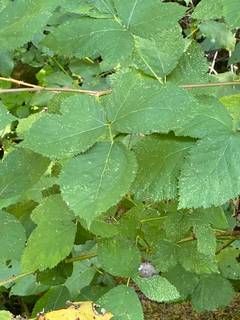
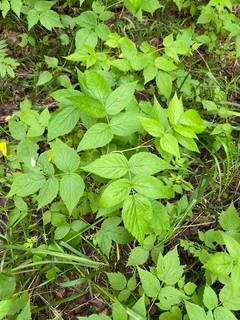
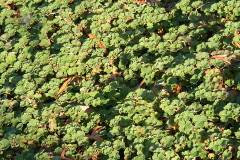
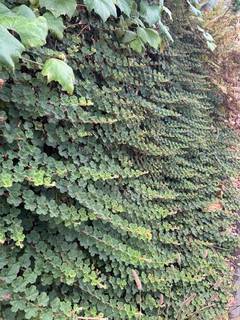
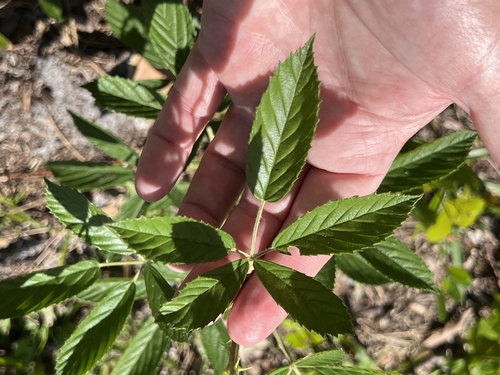
Rubus pensilvanicus is a deciduous, thicket-forming shrub in the rose family, producing arching, ridged canes 3-6 feet (1-2 m) long that are armed with stout, hooked prickles. The canes are biennial: first-year primocanes grow vegetatively, then flower and fruit in their second year before dying. Leaves are palmately compound with three to five toothed leaflets, each 2-4 inches (5-10 cm) long, green above and paler beneath. Clusters of white five-petaled flowers about 0.75-1 inch (2-2.5 cm) across open from May to June, followed by aggregate fruits that ripen from red to glossy black in July and August. The sweet black fruit is edible and is eaten by many birds and mammals, which disperse the seeds widely. It grows in old fields, forest edges, clearings, fence rows, and roadsides throughout eastern North America, spreading by seed and by rooting cane tips to form dense, tangled colonies. The hooked prickles and aggressive spread make it difficult to contain in small gardens, and unmanaged plants form impenetrable thickets. Canes root where their tips touch the ground, extending the colony each year.
Native Range
Native to eastern North America, from eastern Canada south through the central and eastern United States.Suggested Uses
Grown in wildlife gardens, hedgerows, and naturalized edges where its fruit feeds birds and mammals. Used for erosion control and informal barrier plantings on rough ground. Its spreading habit and prickles make it unsuited to small, tended borders.How to Identify
Appearance
Size & Dimensions
Height3' - 6'
Width/Spread4' - 8'
Bloom Information
White flowers open in late spring, from May to June, on second-year canes. Bloom lasts about three to four weeks. Fruit follows in mid to late summer, ripening over several weeks.
Detailed Descriptions
Foliage Description
greenGrowing Conditions
Sun Requirements
Requires 6-10 hours of direct sunlight daily
• Full Sun: 6+ hours of direct sunlight
• Partial Shade: 3-6 hours of direct sunlight
• Full Shade: Less than 3 hours of direct sunlight
Care & Maintenance
Care Guide
Grows in full sun to part shade in a wide range of soils, fruiting more heavily in full sun. Adaptable to poor and disturbed ground, it needs only moderate moisture once established. Canes are biennial, so spent second-year canes die after fruiting and are cut out at the base. The plant spreads by tip-rooting and by seed and can become invasive in cultivated settings. No fertilizer is required on average soils. Mowing or root barriers limit its spread into surrounding ground.Pruning
Spent floricanes are cut to the ground after fruiting, since they die naturally in their second year. First-year primocanes are thinned in late winter to reduce crowding and improve air circulation. The hooked prickles make cane handling difficult.Pruning Schedule
Prune: February–March & August
wintersummer