Rubus, Genus, moluccanus, Species,
- Genus & species
molucca bramble
Eastern and northern Australia, Southeast Asia
Overview
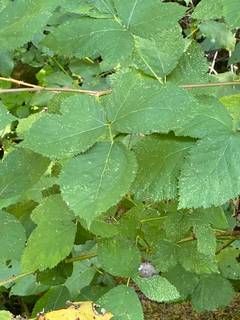
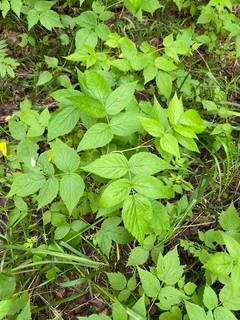
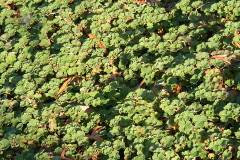
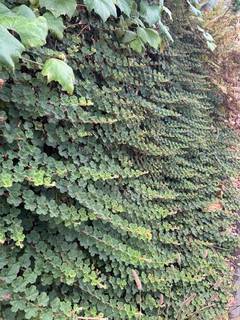
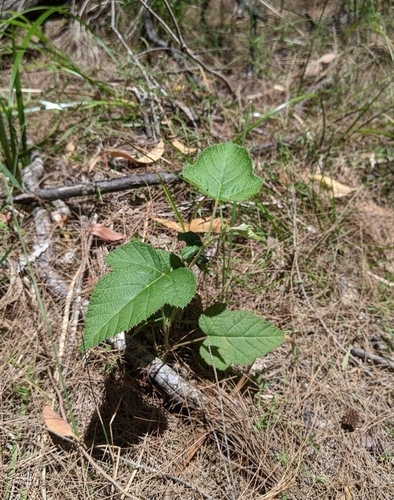
Rubus moluccanus is an evergreen scrambling shrub or woody climber in the rose family, with prickly stems that arch and clamber over other vegetation to 6-20 feet (2-6 m) long. Stems are covered in soft rusty hairs and scattered curved prickles. Leaves are broad and heart-shaped to shallowly three- to five-lobed, 2.5-7 inches (6-18 cm) wide, dark green and wrinkled above and densely pale-hairy beneath. Clusters of flowers 0.4-0.6 inch (10-15 mm) across, with white to pink petals, appear over much of the year. Flowers develop into rounded red berries 0.4-0.6 inch (10-15 mm) wide, made up of many small segments, ripening to deep red and edible. Growth is vigorous, and the arching stems root where they touch the ground, forming dense thickets. The prickly, thicket-forming habit can make the plant difficult to contain in cultivation.
Native Range
Native to eastern and northern Australia and through Southeast Asia to the Pacific, including the Moluccas, from which the common name derives. Grows along rainforest margins, in clearings, and beside watercourses in warm, moist, frost-free regions from sea level to about 3,300 feet (1,000 m).Suggested Uses
Grown in informal bush-food gardens and along fences and embankments where the red berries are harvested, spaced 6-10 feet (1.8-3 m) apart. The dense thorny growth is used as a barrier or wildlife thicket. Its spreading, prickly habit limits its use in small or formal gardens.How to Identify
Appearance
Size & Dimensions
Height6' - 20'
Width/Spread6' - 10'
Bloom Information
Flowers over an extended period, mainly from spring through autumn, with scattered bloom possible year-round in warm frost-free climates. Any single flush lasts 3-4 weeks. Flowering and fruiting often overlap, so flowers and ripe berries can appear on the plant at the same time.
Detailed Descriptions
Flower Description
white to pinkFoliage Description
dark greenGrowing Conditions
Sun Requirements
Requires 5-9 hours of direct sunlight daily
• Full Sun: 6+ hours of direct sunlight
• Partial Shade: 3-6 hours of direct sunlight
• Full Shade: Less than 3 hours of direct sunlight
Care & Maintenance
Care Guide
Grows in moist, well-drained soil with organic matter, in full sun to part shade. Water regularly in dry periods, as growth and fruiting slow under drought stress. The arching stems root at their tips and spread into thickets, so the plant needs room or regular containment. Few pests trouble it, though leaf-eating insects may chew the foliage. In frost-prone areas top growth is cut back by cold but reshoots from the base in spring. The prickly stems make hand weeding and harvesting slow.Pruning
Cut back stems in late winter to control spread and remove old canes that have already fruited. Thin congested growth to improve air flow and access for harvesting. Stems reshoot strongly from the base after hard cutting. Removing rooted tips limits the formation of new thickets.Pruning Schedule
Prune: July–August
winter