Prunus, Genus, maritima, Species,
- Genus & species
beach plum
Overview
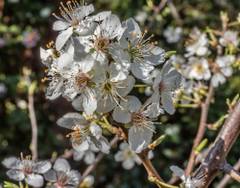
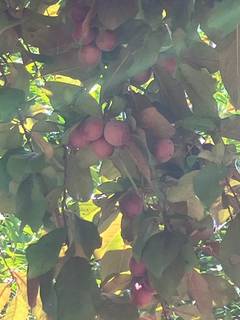
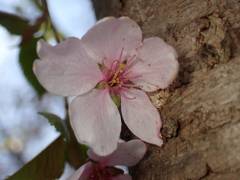
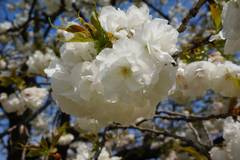
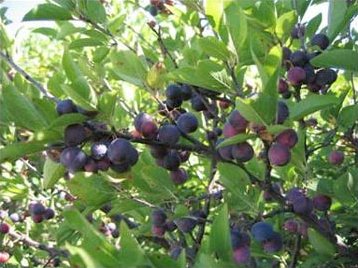
Prunus maritima is a deciduous shrub reaching 3-6 feet (0.9-1.8 m) tall, occasionally to 8 feet (2.4 m), with a dense, rounded, often sprawling form. The oval to elliptical leaves are 1.5-3 inches (4-7.5 cm) long, dull green above and paler with soft hairs beneath, turning yellow to red in fall. White, five-petaled flowers about 0.5 inch (13 mm) across open along the bare or newly leafing branches in spring, lining the twigs densely. Round to oval plums 0.5-1 inch (1.3-2.5 cm) wide follow in late summer, ripening from green through red to deep purple with a waxy bloom and a single stone. The fruit is edible and used for jams and preserves; the stones, leaves, and bark contain cyanogenic compounds that are toxic if eaten in quantity. Growth is dense and twiggy from a spreading root system that helps stabilize sand. Native to coastal dunes, it tolerates salt spray, wind, and sandy soils but is susceptible to black knot fungus and tent caterpillars.
Native Range
Native to the Atlantic coast of North America from Maine and New Brunswick south to Maryland and Virginia. Grows on coastal sand dunes, beaches, and sandy scrub within reach of salt spray.Suggested Uses
Planted for dune stabilization, coastal hedges, and edible fruit in seaside gardens. Spaced 4-6 feet (1.2-1.8 m) apart for hedging or massing, with several plants grouped for cross-pollination. Suited to sandy, salt-exposed sites where many shrubs fail.How to Identify
Appearance
Size & Dimensions
Height3' - 6'
Width/Spread4' - 6'
Bloom Information
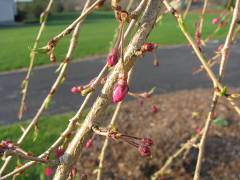
White flowers open in April and May, before or as the leaves emerge, lasting one to two weeks. Bloom timing varies with coastal temperatures and can be set back by late cold snaps. Heavy flowering does not always lead to heavy fruit set, which depends on pollination and spring weather.
Detailed Descriptions
Foliage Description
Dull greenGrowing Conditions
Sun Requirements
Requires 6-8 hours of direct sunlight daily
• Full Sun: 6+ hours of direct sunlight
• Partial Shade: 3-6 hours of direct sunlight
• Full Shade: Less than 3 hours of direct sunlight
Care & Maintenance
Care Guide
Grown in full sun on sandy, well-drained soil; established plants tolerate salt spray, wind, and drought. Watering is needed during establishment, after which rainfall is usually sufficient in coastal settings. Rich or heavy soils reduce fruiting and increase disease. Black knot fungus causes swollen black galls on stems, which are pruned out below the affected area. Eastern tent caterpillars can defoliate branches in spring. Fruit set varies year to year, and cross-pollination between several plants improves yields.Pruning
Prune in late winter while dormant to remove dead, crossing, or black-knot-infected wood. Thinning crowded stems improves air circulation and fruiting. Plants tolerate hard renewal pruning of old, unproductive growth.Pruning Schedule
Prune: February–March
winter