Pinus, Genus, taeda, Species,
- Genus & species
loblolly pine
Overview
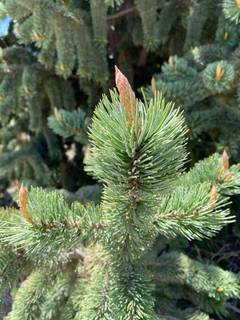
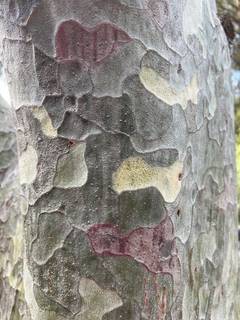
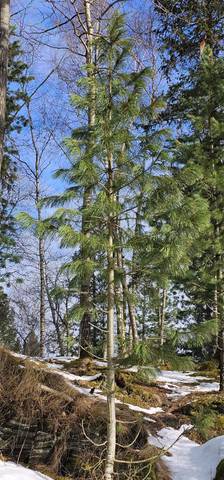
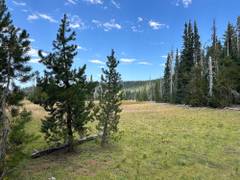
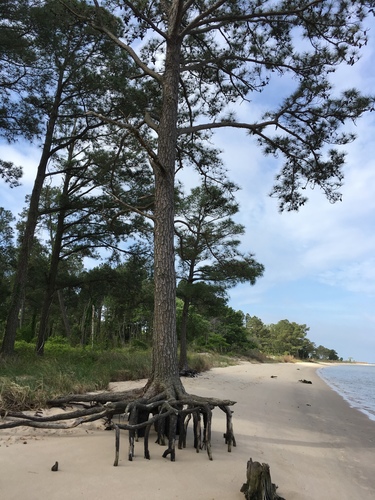
Pinus taeda is a fast-growing, evergreen conifer in the Pinaceae family, growing 60–90 feet (18–27 m) tall and 25–35 feet (7.5–10.5 m) wide at maturity with an open, irregularly oval crown that thins with age, often losing lower branches to create a high canopy. The most commercially planted tree in the southeastern United States — over 1 billion seedlings planted annually for timber production, covering approximately 30 million acres. Needles are in fascicles (bundles) of three, 6–9 inches (15–23 cm) long, slightly twisted, yellow-green to dark green. Bark is dark grey-brown on young trees, becoming reddish-brown and developing thick, plate-like scales with deep furrows on mature trunks. Cones are ovoid-cylindrical, 3–5 inches (8–13 cm) long, with stiff, sharp spines on each scale — the spined cones distinguish P. taeda from the spineless-coned P. echinata (shortleaf pine). Growth rate is rapid — 2–3 feet (60–90 cm) per year in the first 10–15 years on fertile sites, among the fastest of any North American pine. The name "loblolly" derives from a dialect word for mud puddle, referencing the species' natural occurrence in low, wet bottomland sites. Susceptible to southern pine beetle (Dendroctonus frontalis), fusiform rust (Cronartium quercuum f.sp. fusiforme), and ice storm damage. Not native to or adapted for the Pacific Northwest.
Native Range
Pinus taeda is native to the southeastern United States, from southern New Jersey south to central Florida and west to eastern Texas. It occurs on a wide range of sites from wet bottomlands to dry uplands, from near sea level to approximately 2,000 feet (600 m). The dominant pine of the southeastern US coastal plain.Suggested Uses
The dominant commercial timber species in the southeastern US — used for dimensional lumber, plywood, oriented strand board (OSB), and paper pulp. In landscape use, planted as a fast-growing shade tree or screen on large properties in zones 6–9. The open mature crown casts light shade suited to understory plantings. In timber investment, loblolly pine plantations produce merchantable timber in 20–30 years on productive sites.How to Identify
Appearance
Size & Dimensions
Height60' - 90'
Width/Spread25' - 35'
Bloom Information
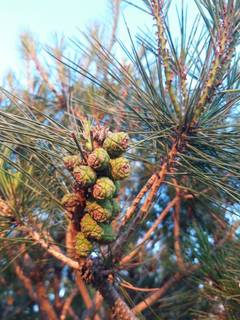
Male pollen cones are yellowish, clustered at branch tips, releasing abundant pollen in March–April — loblolly pine pollen is a major contributor to the yellow "pollen clouds" and car-coating yellow dust in the southeastern US each spring. Female seed cones develop over 2 years, ripening in the second autumn. Cones are 3–5 inches (8–13 cm) long, opening to release winged seeds in October–November.
Detailed Descriptions
Flower Description
Yellow (pollen cones)Foliage Description
Yellow-green to dark green needlesGrowing Conditions
Sun Requirements
Requires 6-12 hours of direct sunlight daily
• Full Sun: 6+ hours of direct sunlight
• Partial Shade: 3-6 hours of direct sunlight
• Full Shade: Less than 3 hours of direct sunlight