Picea, Genus, sitchensis, Species,
- Genus & species
sitka spruce
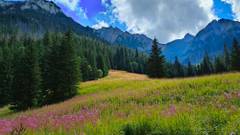
Pacific coastal fog belt — southeastern Alaska to northern California, typically within 50 miles (80 km) of the Pacific Ocean; sea level to 3,000 feet (900 m)
Overview
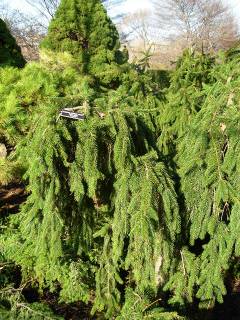
Picea sitchensis is Sitka spruce (tideland spruce), an upright evergreen coniferous tree growing 50-100+ feet (15-30+ m) in landscape and to 230 feet (70 m) in native forests, and 20-35 feet (6-10 m) wide. Stiff sharply pointed flat needles 0.6-1 inch (1.5-2.5 cm), two-toned — green above, white stomatal bands beneath. Needles on rough peglike sterigmata. Pendant brown cones 2-4 inches (5-10 cm) with crinkly papery scales. In Pinaceae. Sitchensis = of Sitka. The world's largest spruce — to 230 feet (70 m) and 16 feet (5 m) diameter. A coastal fog belt specialist within 50 miles (80 km) of the Pacific Ocean. Does NOT tolerate inland dry heat — the absolute primary limitation. Highest strength-to-weight ratio of any commercial softwood. Sitka spruce aphid is the primary pest. Non-toxic. Deer-resistant. Zones 5-8. Full sun to partial shade. Growth rate is fast in coastal conditions.
Native Range
Native to the Pacific coastal fog belt — southeastern Alaska to northern California, typically within 50 miles (80 km) of the Pacific Ocean. Sea level to 3,000 feet (900 m).Suggested Uses
Grown as a native specimen tree in coastal Pacific Northwest gardens ONLY — not suitable for inland or dry climates, spaced 20-35 feet (6-10 m). World's largest spruce. Coastal fog belt specialist. Non-toxic. Not suitable for containers. Zones 5-8.How to Identify
Appearance
Size & Dimensions
Height50' - 100'
Width/Spread20' - 35'
Bloom Information
Spring (April-May). Wind-pollinated. Small yellowish-red male cones. 3 weeks. Female cones develop into pendant brown cones 2-4 inches (5-10 cm) with crinkly papery thin scales.
Detailed Descriptions
Flower Description
Wind-pollinated; small yellowish-red male cones in spring; female cones develop into pendant cylindrical brown cones 2-4 inches (5-10 cm) with crinkly papery thin scales — the papery crinkly scales are diagnostic for P. sitchensisFoliage Description
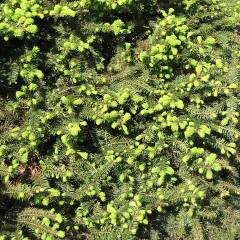
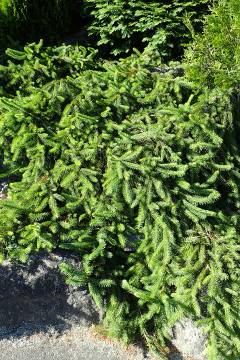
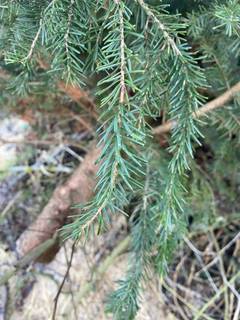
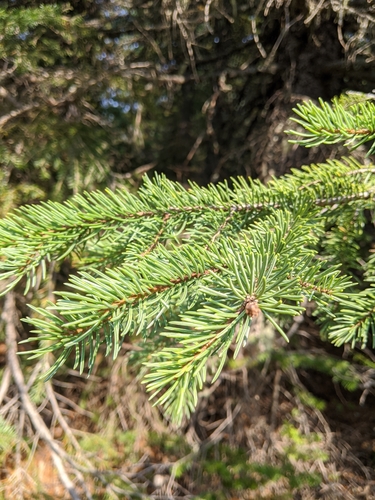
Stiff sharply pointed flat needles 0.6-1 inch (1.5-2.5 cm), distinctly two-toned — blue-green to dark green above with two bright white stomatal bands beneath; needles attached to rough peglike sterigmata on twigs; the needles roll freely between fingers (diagnostic — distinguishes from flat non-rolling Abies needles)Growing Conditions
Sun Requirements
Requires 4-12 hours of direct sunlight daily
• Full Sun: 6+ hours of direct sunlight
• Partial Shade: 3-6 hours of direct sunlight
• Full Shade: Less than 3 hours of direct sunlight
Care & Maintenance
Care Guide
Full sun to partial shade (4-12 hours). Moist acidic soil pH 4.5-6.0. Does NOT tolerate inland dry heat — coastal fog belt only. Tolerates salt spray and brief flooding. Sitka spruce aphid is the primary pest. Non-toxic. Deer-resistant. Zones 5-8.Pruning
Prune in winter (November-December) if needed. The natural pyramidal form requires minimal pruning. Remove dead or damaged branches only. Do not remove the central leader.Pruning Schedule
Prune: November–December
winter