Image 1 of 13
1 / 13
Plant Reference
Picea, Genus, omorika, Species,
- Genus & species
Serbian spruce
Drina River valley, Bosnia-Herzegovina and Serbia; elevations 2,600–5,200 feet (800–1,600 m)
Overview
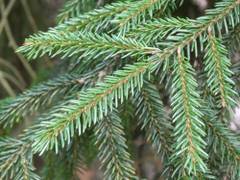
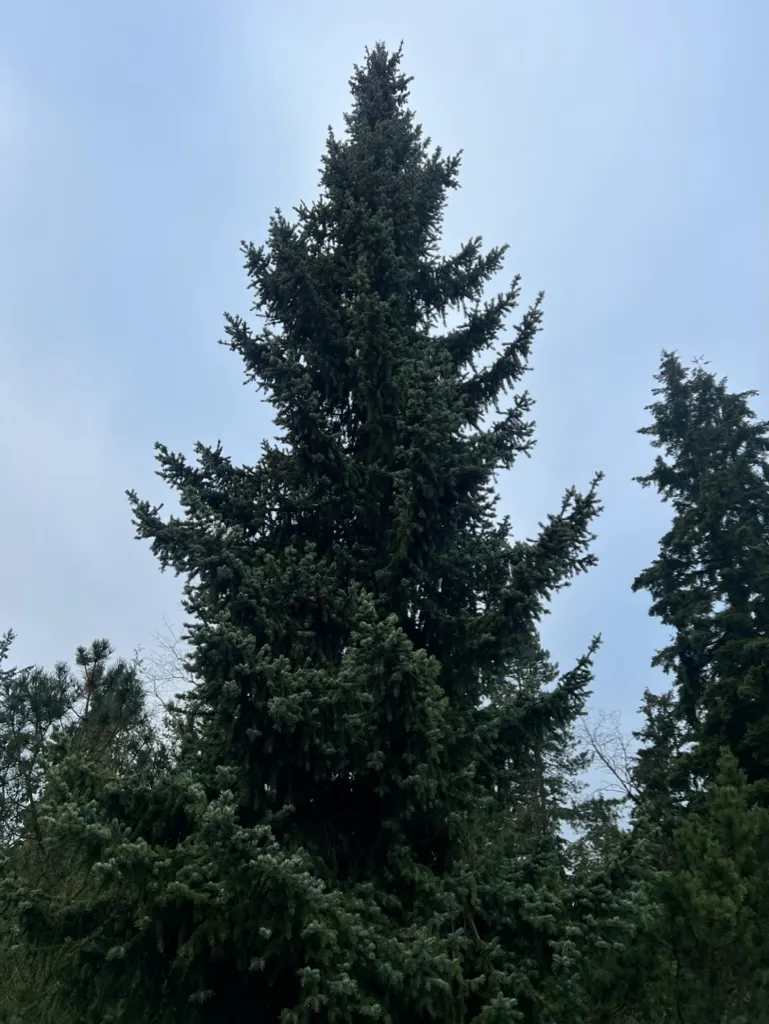
Picea omorika is a narrowly conical to spire-shaped evergreen conifer native to the Drina River valley in the Balkans. Trees reach 50–60 feet (15–18 m) tall and 10–20 feet (3–6 m) wide at maturity, with a growth rate of 12–18 inches (30–45 cm) per year under good conditions. The narrow conical silhouette is formed by short, ascending to slightly pendulous branches that turn upward at their tips. Needles are 0.5–0.75 inch (12–19 mm) long, flattened, dark green on the upper surface with two broad white stomatal bands on the underside, giving the foliage a two-toned appearance. Bark is thin, orange-brown, scaly on older trunks. Cones are 1.5–2.5 inches (4–6 cm) long, oval, ripening from blue-black to brown. The species tolerates urban conditions, air pollution, and a range of soil types better than many other spruces, though it shares susceptibility to spider mites and Cytospora canker under stress.
Native Range
Picea omorika is native to a restricted area along the Drina River on the border of Bosnia-Herzegovina and Serbia, growing in mixed forests on limestone soils at elevations of 2,600–5,200 feet (800–1,600 m). It is considered a glacial relict species with a naturally small range of a few hundred acres.Suggested Uses
Commonly planted as a specimen or screen tree in residential and urban landscapes, spaced 12–15 feet (3.7–4.6 m) from adjacent large plants to accommodate the narrow crown at maturity. The narrow footprint of 10–20 feet (3–6 m) allows use in sites too confined for broader conifers. Tolerates urban air pollution, road salt spray, and compacted soils better than most Picea species, making it suitable for streetside and parking lot plantings with adequate root space.How to Identify
Appearance
Size & Dimensions
Height50' - 60'
Width/Spread10' - 20'
Colors
Bloom Information
Male strobili are reddish-purple, releasing pollen in April–May. Female cones are oval to oblong, 1.5–2.5 inches (4–6 cm) long, first appearing blue-black with a waxy bloom, ripening to cinnamon-brown in the first season. Cones persist on the tree for 1–2 years before falling.
Detailed Descriptions
Flower Description
reddish-purple (male strobili)Foliage Description
dark green above, white-banded beneathGrowing Conditions
Sun Requirements
Requires 4-8 hours of direct sunlight daily
• Full Sun: 6+ hours of direct sunlight
• Partial Shade: 3-6 hours of direct sunlight
• Full Shade: Less than 3 hours of direct sunlight