Image 1 of 3
1 / 3
Plant Reference
Picea, Genus, pungens, Species, 'Glauca', Cultivar,
- Genus & species
- Cultivar
Colorado blue spruce
Selection from Rocky Mountain populations; species native Montana to New Mexico
Overview
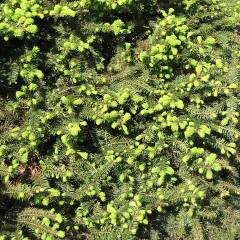
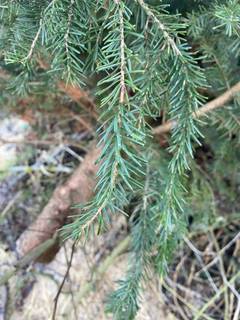
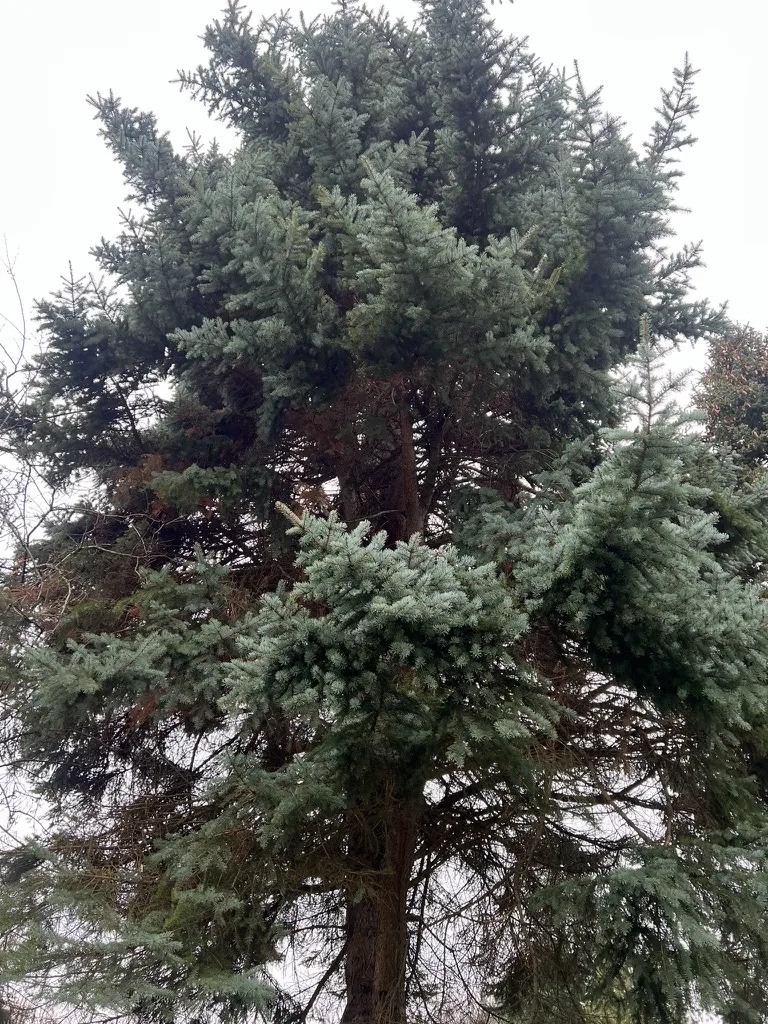
Picea pungens 'Glauca' is a group designation for selected forms of Colorado spruce with consistently blue-gray to silvery-blue foliage, more intensely glaucous than average seedlings of the species. Trees reach 30–50 feet (9–15 m) tall and 10–15 feet (3–4.6 m) wide; growth rate is 8–12 inches (20–30 cm) per year. The pyramidal crown is dense with stiffly horizontal branches. Needles are 0.75–1.25 inches (19–32 mm) long, rigid, sharply pointed, four-sided, and silvery blue-gray; the glaucous color is caused by a waxy coating on the needle surface. Bark is gray-brown, scaly, becoming furrowed on older trunks. Cones are 2.5–4 inches (6–10 cm) long, cylindrical, light brown. 'Glauca' represents a seed-selection group rather than a clonally propagated cultivar, so foliage color and form vary among individual plants. Rhizosphaera needle cast is a persistent problem in humid climates, progressively defoliating the lower crown.
Native Range
The species Picea pungens is native to the Rocky Mountains of the western United States from southern Montana to New Mexico, in mountain canyons at 6,000–11,000 feet (1,800–3,350 m). The 'Glauca' selection group originated from seed of particularly blue-colored specimens.Suggested Uses
Planted as a specimen or screen tree in residential and commercial landscapes, spaced 12–15 feet (3.7–4.6 m) from adjacent plants. Because 'Glauca' is seed-propagated, foliage color varies among plants; clonally propagated named cultivars produce more consistent color. The eventual height of 30–50 feet (9–15 m) and lower-branch loss on mature trees limit placement near structures or in confined spaces.How to Identify
Appearance
Size & Dimensions
Height30' - 50'
Width/Spread10' - 15'
Bloom Information
Male strobili are reddish-yellow, releasing pollen in April–May. Female cones are 2.5–4 inches (6–10 cm) long, cylindrical, green to purple when young, ripening to light brown. Cones are produced in large numbers on mature trees and may persist on the tree for 2 seasons.
Detailed Descriptions
Flower Description
reddish-yellow (male strobili)Foliage Description
silvery blue-grayGrowing Conditions
Sun Requirements
Requires 6-12 hours of direct sunlight daily
• Full Sun: 6+ hours of direct sunlight
• Partial Shade: 3-6 hours of direct sunlight
• Full Shade: Less than 3 hours of direct sunlight