Picea, Genus, abies, Species, 'Little Gem', Cultivar,
- Genus & species
- Cultivar
little gem Norway spruce
Europe parentage (Scandinavia east to Ural Mountains, south to Alps, Balkans, Carpathians; selected from a witches broom sport; extreme dwarf cushion habit)
Overview
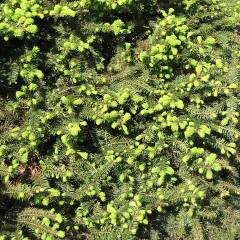
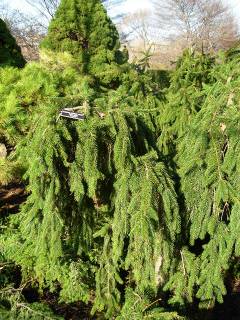
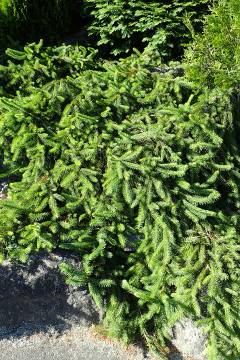
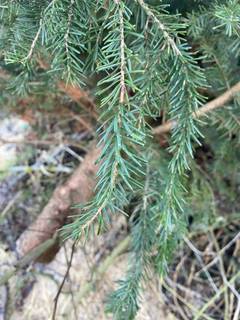
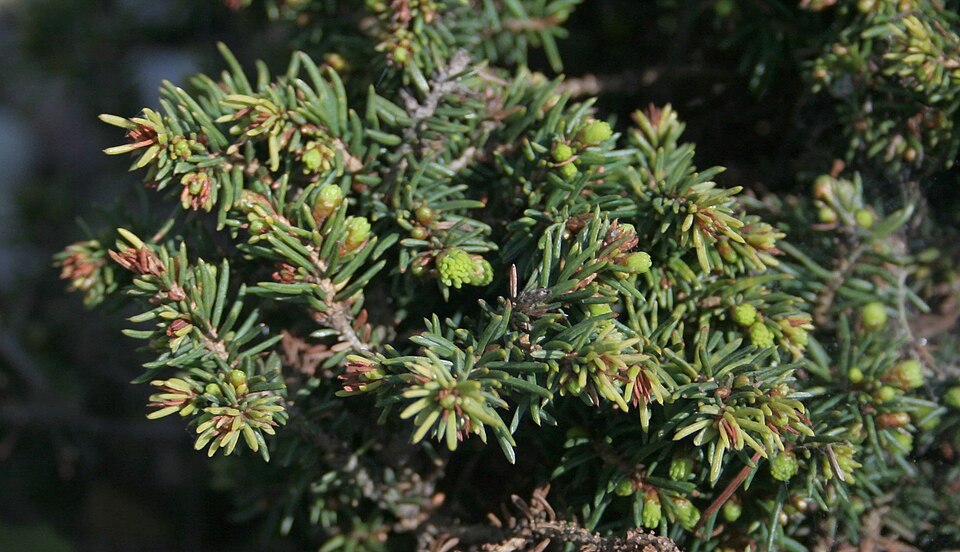
Picea abies 'Little Gem' is an evergreen dwarf conifer in the pine family (Pinaceae) reaching 12–18 inches (30–45 cm) tall with a spread of 18–24 inches (45–60 cm) and a dense flat-topped to bun-shaped cushion-like habit after 10 growing seasons. This extremely slow-growing cultivar of the Norway spruce carries very short closely-packed needles 0.2–0.4 inch (5–10 mm) long on extremely congested shoots, which builds a dense mossy-textured canopy surface across the cushion form. Needle color runs dark green across the mature canopy, with bright green tones emerging on the spring growth flush that contrast against the darker older needles for several weeks. No cones develop at the cultivated size. Growth rate runs extremely slow at approximately 1 inch (2.5 cm) per year, reaching only 12–18 inches mature height after 10 years in the garden. Hardy to zone 3. The cultivar carries the smallest mature size across the Norway spruce cultivar group and is frequently top-grafted onto a standard stem to build a miniature lollipop tree form for the landscape trade. A slight central depression may develop across the cushion surface over time as the growth pattern matures.
Native Range
Picea abies is native to Europe, where the species ranges from Scandinavia east to the Ural Mountains and south to the Alps, Balkans, and Carpathian ranges. The 'Little Gem' cultivar was selected from a witches' broom sport on a Norway spruce and propagated from the dense mutation growth for commercial cultivation.Suggested Uses
Grown in rock gardens, alpine troughs, container culture, or along planting bed edges. The extremely slow growth rate and miniature mature scale suit the cultivar for confined garden spaces where larger conifers exceed the allocated footprint. Top-grafting onto a standard stem builds a miniature lollipop tree form that runs across the landscape trade as a specialty specimen. Container culture requires a minimum 3-gallon (11 L) pot with well-drained potting mix. Windbreak protection in exposed positions matters for winter foliage condition. Garden settings requiring rapid coverage or large-scale planting are unsuitable given the 1 inch per year growth rate.How to Identify
Appearance
Size & Dimensions
Height1' - 1'6"
Width/Spread1'6" - 2'
Bloom Information
No cones or flowers develop at the cultivated size of the cultivar. The evergreen needle display carries the ornamental value year-round. Bright green spring growth flush contrasts against the dark green older needles for several weeks during the spring growth phase.
Detailed Descriptions
Flower Description
No flowers or cones at cultivated size; evergreen needle display year-roundFoliage Description
Dark green very short congested needles 0.2-0.4 inch long; mossy canopy texture; bright green spring growth flushGrowing Conditions
Sun Requirements
Requires 4-10 hours of direct sunlight daily
• Full Sun: 6+ hours of direct sunlight
• Partial Shade: 3-6 hours of direct sunlight
• Full Shade: Less than 3 hours of direct sunlight
Care & Maintenance
Care Guide
Grows in full sun to partial shade in moist well-drained acidic to neutral soil at pH 5.0–7.0, tolerating loam, sand, and silt. Hardy to zone 3. Harsh drying winter winds in exposed positions can cause needle desiccation, and siting with a windbreak or under light high shade in exposed locations reduces the winter-damage risk across the cushion canopy. The dense cushion interior may accumulate debris from surrounding deciduous trees over time, and periodic gentle cleaning of the interior prevents fungal development across the inner branches. Growth rate runs extremely slow — patience is required across the 10-year maturation window.Pruning
Pruning runs unnecessary across the life of the cultivar. Vigorous reversion shoots that break from the dense witches' broom character are removed if they emerge, though reversion runs rare in cultivation. Debris accumulated in the dense canopy interior is cleaned periodically to maintain canopy health.Container Growing
Suitable for container growing
Minimum container size: 3 gallons