Picea, Genus, spp., Multiple species,
- Genus
- Multiple species
spruces
Northern Hemisphere boreal and temperate
Overview
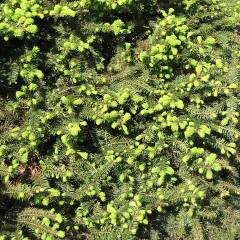
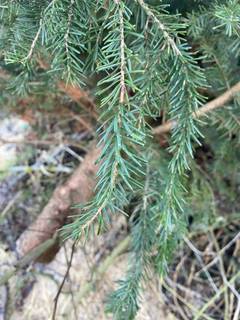
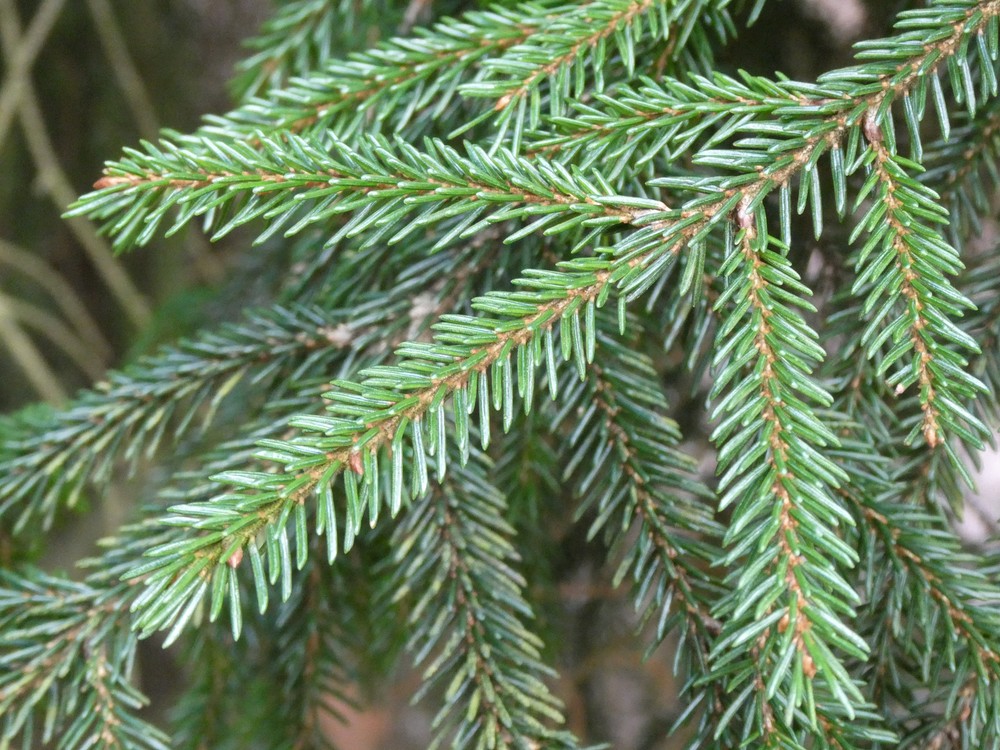
Picea is a genus of about 35 species of evergreen coniferous trees in the pine family, Pinaceae, native across the cool temperate and boreal regions of the Northern Hemisphere. Mature trees are conical to columnar and reach 20–60 m (65–200 ft) tall, with whorled branches and a single straight trunk. The needles are stiff, four-sided, 1–3 cm (0.4–1.2 in) long, and set singly on small woody pegs that remain on the twig after the needles drop, leaving the bark rough. Foliage color ranges from deep green to silvery blue depending on species and the waxy bloom on the needles. Seed cones hang downward, 3–15 cm (1.2–6 in) long, and fall whole once mature, unlike the upright, shattering cones of true firs. Spruces are shallow-rooted and can be unstable on exposed sites or in saturated soil. Most species need cool summers and ample moisture and decline in hot, dry, or polluted urban conditions. The wood is widely used for timber, paper, and the soundboards of musical instruments.
Native Range
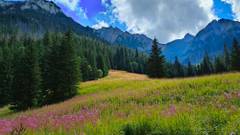
The genus is confined to the Northern Hemisphere, forming a large part of the boreal forest across North America, northern Europe, and Asia, and extending south along mountain ranges. The richest diversity of species is in western China.Suggested Uses
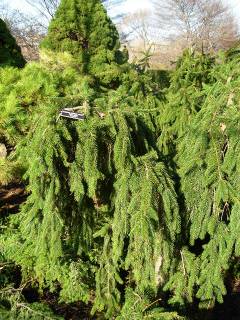
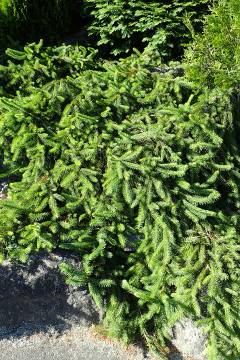
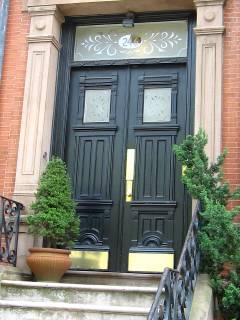
Used as specimen and screening trees, windbreaks, and Christmas trees, with dwarf and blue-needled forms grown in smaller gardens. The dense evergreen branches shelter birds and buffer wind. The large eventual size and need for cool, moist conditions limit use in small or hot-climate gardens.How to Identify
Appearance
Size & Dimensions
Height20' - 200'
Width/Spread10' - 25'
Bloom Information
As a conifer, the genus does not flower; pollen and seed cones appear in spring, broadly April to May. Small reddish seed cones are wind-pollinated by yellow pollen shed from clustered male cones. The seed cones enlarge through summer and ripen brown by autumn.
Detailed Descriptions
Foliage Description
green to silvery blueGrowing Conditions
Sun Requirements
Requires 6-10 hours of direct sunlight daily
• Full Sun: 6+ hours of direct sunlight
• Partial Shade: 3-6 hours of direct sunlight
• Full Shade: Less than 3 hours of direct sunlight
Care & Maintenance
Care Guide
Most species grow in full sun and moist, acidic to neutral soil with a pH of 5.0 to 7.0 and steady moisture. They are adapted to cool climates and short growing seasons and tend to struggle in hot, humid, or polluted regions. Hardiness spans USDA zones 2–8 across the genus, with boreal species enduring some of the coldest inhabited climates. Shallow roots make young trees prone to drought stress and windthrow on exposed sites. Spruce spider mites, aphids, and needle-cast diseases affect trees stressed by heat or drought. Ample space and air movement reduce disease pressure in plantings.Pruning
Spruces need little pruning and are shaped by removing dead, damaged, or crossing branches in late winter. Cutting back into old, needle-free wood does not resprout, as the genus lacks dormant buds on bare branches. Removing the leading shoot destroys the natural conical form.Pruning Schedule
Prune: February–March
winter