Opuntia, Genus, littoralis, Species,
- Genus & species
coastal pricklypear
Coastal southern California and Baja California
Overview
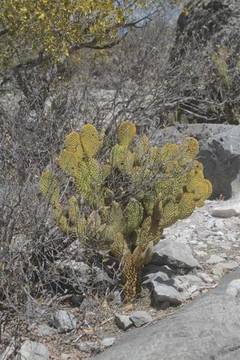
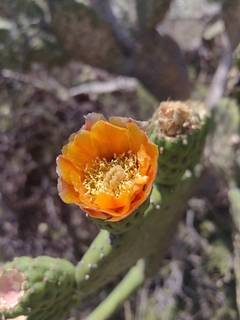
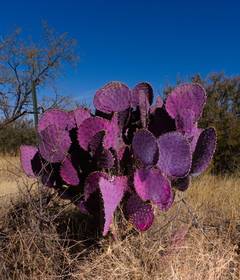
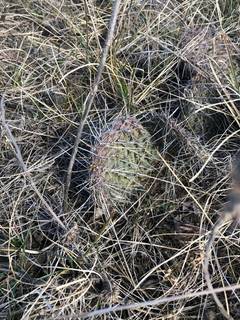
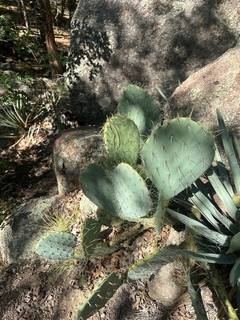
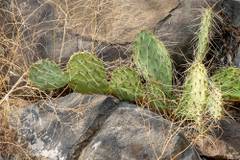
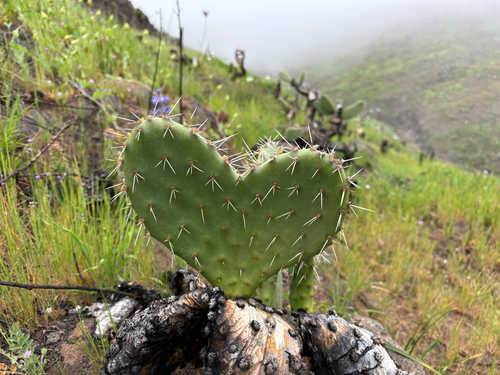
Opuntia littoralis is a low, clumping prickly pear cactus in the cactus family, forming sprawling mounds 1.5-3 feet (45-90 cm) tall and spreading several feet wide. The blue-green stems are flattened into oval pads (cladodes) 4-8 inches (10-20 cm) long, armed with stout yellowish spines and clusters of tiny barbed glochids at each areole. In late spring and early summer it bears waxy yellow flowers 2-3 inches (5-7.5 cm) across, sometimes tinged red, opening along the pad edges. The flowers give way to fleshy red-purple fruits 1-1.5 inches (2.5-4 cm) long. It is native to the coastal bluffs, mesas, and sage scrub of southern California and northern Baja California. It withstands salt spray, drought, and lean soils but spreads by rooting fallen pads and can form dense patches, and the spines and glochids make handling difficult.
Native Range
Opuntia littoralis is native to the coastal regions of southern California and northern Baja California, Mexico. It grows on bluffs, coastal mesas, and in coastal sage scrub and chaparral near the sea.Suggested Uses
Grown in dry coastal and desert gardens, rock gardens, and on slopes for erosion control in mild regions. It supplies cover and fruit for wildlife in habitat plantings. The spines limit its use near paths and play areas.How to Identify
Appearance
Size & Dimensions
Height1'6" - 3'
Width/Spread3' - 6'
Bloom Information
Detailed Descriptions
Flower Description
yellow, sometimes tinged redFoliage Description
blue-greenGrowing Conditions
Sun Requirements
Requires 6-12 hours of direct sunlight daily
• Full Sun: 6+ hours of direct sunlight
• Partial Shade: 3-6 hours of direct sunlight
• Full Shade: Less than 3 hours of direct sunlight
Care & Maintenance
Care Guide
Grow Opuntia littoralis in full sun and sharp-draining sandy, rocky, or gritty soil. It withstands drought, heat, salt spray, and lean ground once established and rots in heavy, wet, or poorly drained soil. Water is given sparingly, mostly during prolonged drought, and withheld in winter. No feeding is needed. New plants are started from pads left to callus for a week before setting on dry soil. Fallen pads root where they land, so dropped segments are gathered to limit unwanted spread.Pruning
Remove pads by cutting cleanly at the joint between segments to shape the clump or limit its spread. Damaged or diseased pads are cut out at the joint. Detached pads root readily, so they are cleared rather than left on the soil.Container Growing
Suitable for container growing
Minimum container size: 5 gallons