Opuntia, Genus, microdasys, Species,
- Genus & species
bunny ears cactus
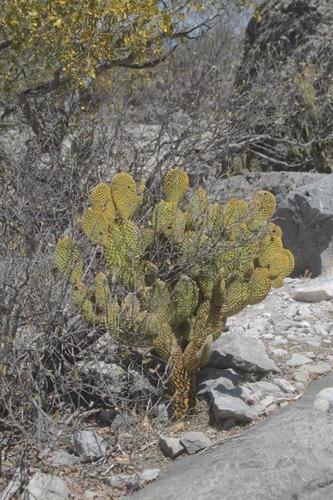
Native to central and northern Mexico growing in arid and semi-arid scrubland habitats across the Chihuahuan and Sonoran desert margins at low to moderate elevations
Overview
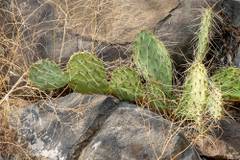
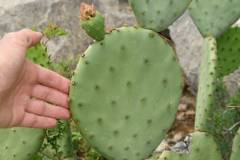
Opuntia microdasys is the bunny ears cactus — a small Mexican-native prickly pear cactus in the family Cactaceae widely cultivated as a decorative houseplant for the polka-dotted pads, growing 12–24 inches (30–60 cm) tall and wide. Bright green flat oval pads grow in pairs from the top of existing pads, creating a rabbit-ear silhouette that gives the species the bunny-ears common name. The pads carry no large visible spines but instead carry evenly spaced clusters of tiny barbed micro-spines (glochids) that appear as innocuous-looking golden polka dots distributed across the pad surface. The species name 'microdasys' translates as 'small and hairy', referencing the dense glochid coverage that gives the pads a hairy textured appearance from a distance. Despite the harmless appearance, the glochids run as a significant skin hazard: each glochid is a barbed micro-spine that detaches readily on the slightest contact, embeds in skin and clothing, and runs nearly invisible to the naked eye, which makes removal slow and frustrating. Tape lifted off the affected area pulls many embedded glochids out; tweezers handle the remaining individual spines under magnification. The species runs handled only with thick leather gloves, kitchen tongs, or folded newspaper to avoid bare-skin contact during repotting and division. Households with small children should consider the placement carefully — children drawn to the cute appearance who touch the pads can experience persistent skin irritation that lasts for days. The white-glochid variety 'Albata' carries the same glochid hazard as the standard golden form. Yellow cup-shaped flowers appear rarely on indoor specimens; outdoor specimens in the species's native Mexican range flower more reliably. The species runs non-toxic to pets through ingestion (no chemical toxicity), but the glochid hazard makes the species unsuited to households where pets may attempt to bite or chew the pads.
Native Range
Opuntia microdasys is native to central and northern Mexico, growing in arid and semi-arid scrubland habitats across the Chihuahuan and Sonoran desert margins at low to moderate elevations.Suggested Uses
Used as a decorative cactus on bright sunny windowsills, in succulent and cactus arrangements, and as a sculptural houseplant in modern and southwestern interior design. The polka-dotted pad surface gives the species visual appeal beyond the typical green cactus pad, and the bunny-ear silhouette suits the species to whimsical decorative contexts. The glochid hazard runs as the principal cultural limitation — households with curious pets, small children, or visitors who may touch the pads should consider alternative spineless succulents (Echeveria, Haworthia, Sansevieria) instead. Container culture in 4–6 inch (10–15 cm) terracotta pots with cactus mix suits the species's small mature size and slow growth rate.How to Identify
Appearance
Size & Dimensions
Height1' - 2'
Width/Spread1' - 2'
Bloom Information
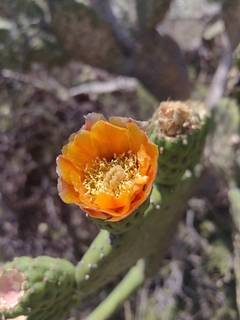
Flowering rare on indoor specimens; mature outdoor specimens in the species's Mexican range produce yellow cup-shaped flowers in summer (typically June–August). The polka-dot-patterned pads run as the year-round display whether flowering occurs or not.
Detailed Descriptions
Flower Description
Bright yellow; cup-shaped (rare on indoor specimens, summer-blooming on mature outdoor plants)Foliage Description
Bright green flat oval pads (modified stems) covered in evenly spaced clusters of tiny barbed micro-spines (glochids) appearing as golden polka dots; no large visible spinesGrowing Conditions
Sun Requirements
Requires 6-12 hours of direct sunlight daily
• Full Sun: 6+ hours of direct sunlight
• Partial Shade: 3-6 hours of direct sunlight
• Full Shade: Less than 3 hours of direct sunlight
Care & Maintenance
Care Guide
Place in full sun with at least 6 hours of direct light. Cactus or succulent potting mix with sharp drainage suits the species; avoid moisture-retentive standard houseplant mixes that hold water against the pad bases and cause rot. Water very sparingly — once monthly or less in winter, every 2–3 weeks during the active growing season — and let the potting mix dry completely between waterings. Overwatering runs as the principal cause of indoor decline. Handle the species only with thick leather gloves, kitchen tongs, or folded newspaper to avoid contact with the glochids; bare-skin contact embeds the barbed micro-spines and produces persistent skin irritation. Children may be drawn to the cute appearance — placement on high shelves or in positions inaccessible to children reduces accidental contact. The species runs non-toxic to pets through ingestion but the glochid hazard runs as the principal cultural caution.Pruning
Remove damaged or rotten individual pads with kitchen tongs or thick leather gloves; the pads detach cleanly at the joint between pads. Place removed pads directly into trash or compost without bare-handed handling — the glochids remain hazardous on detached pads and hold their barbed structure indefinitely.Container Growing
Suitable for container growing
Minimum container size: 1 gallons