Opuntia, Genus, ficus-indica, Species,
- Genus & species
prickly pear cactus
Mexico — domesticated 9,000+ years ago; now naturalized worldwide in Mediterranean and arid climates
Overview
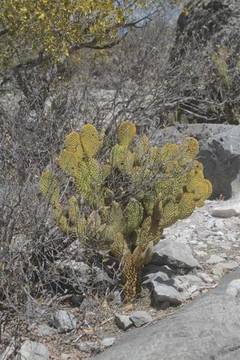
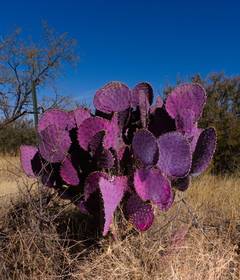
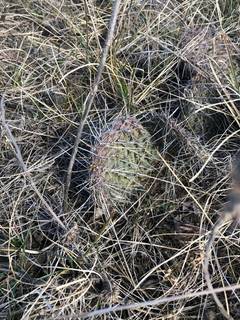
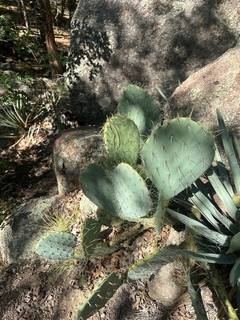
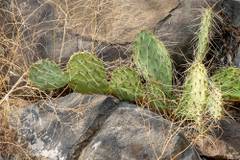
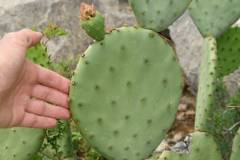
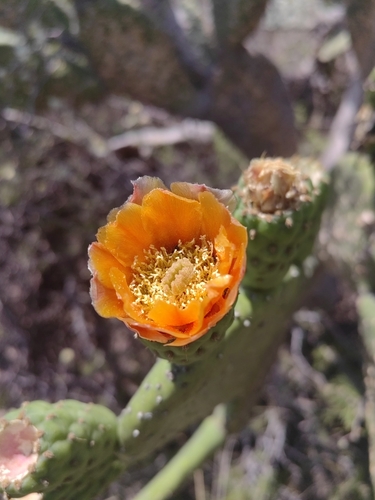
Opuntia ficus-indica is the prickly pear cactus, growing 24–60 inches (60–150 cm) indoors. Blue-green to gray-green large flat oval pads (cladodes) 6–12 inches (15–30 cm) long — the species name 'ficus-indica' means 'Indian fig.' Both the pads (nopales) and the red-purple fruit (tunas) are edible. Nopales are a staple vegetable in Mexican cuisine — grilled, sautéed, pickled, or used in salads. The fruit is eaten fresh, juiced, or made into preserves. Domesticated approximately 9,000 years ago in Mexico; the plant appears on the Mexican coat of arms and flag. Armed with both visible spines and tiny barbed glochids (micro-spines 1–3 mm long) — glochids detach on contact and embed in skin, causing persistent irritation. Handle with thick leather gloves only. Glochids must be removed from pads and fruit before consumption (singed with flame or scrubbed). Yellow to orange cup-shaped flowers 2–3 inches (5–7 cm) across precede the edible fruit. Full direct sun. Extremely drought-tolerant. Non-toxic — the pads and fruit are edible after spine/glochid removal. The sap does not cause skin irritation, but the glochids are a significant handling hazard.
Native Range
Opuntia ficus-indica is native to Mexico — domesticated 9,000+ years ago.Suggested Uses
Grown in containers of 3–5 gallons (12–20 liters) in full direct sun. Outdoors year-round in zones 8–11. Edible pads and fruit after glochid removal. Positioned away from walkways due to spines and glochids. The heavy pads may require a sturdy, wide-based pot.How to Identify
Appearance
Size & Dimensions
Height2' - 5'
Width/Spread1'6" - 3'
Colors
Bloom Information
Detailed Descriptions
Flower Description
Yellow to orange, cup-shaped, on pad margins — followed by edible red-purple FRUIT (tunas)Foliage Description
Blue-green to gray-green, large flat oval pads (cladodes) — the classic prickly pear pad shape; BOTH large spines AND tiny barbed GLOCHIDSGrowing Conditions
Sun Requirements
Requires 6-12 hours of direct sunlight daily
• Full Sun: 6+ hours of direct sunlight
• Partial Shade: 3-6 hours of direct sunlight
• Full Shade: Less than 3 hours of direct sunlight
Care & Maintenance
Care Guide
Full direct sun. Water sparingly — every 2–4 weeks during growing season. Well-draining cactus mix. Extremely drought-tolerant. Handle with thick leather gloves (glochids). Edible pads and fruit after glochid removal. Non-toxic.Pruning
Remove pads by cutting at the joint with a sharp knife, wearing thick leather gloves. The plant branches by producing new pads from the edges of existing ones.Container Growing
Suitable for container growing
Minimum container size: 7 gallons