Prunus, Genus, armeniaca, Species, 'Moorpark', Cultivar,
- Genus & species
- Cultivar
Moorpark apricot
Central Asia and northern China (species)
Overview
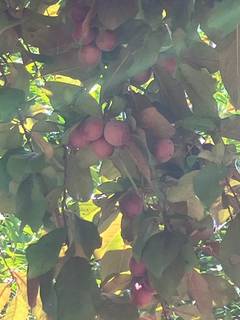
Prunus armeniaca 'Moorpark' is a heirloom European apricot, reaching 15-20 feet (4.5-6 m) tall and 15-20 feet (4.5-6 m) wide on standard rootstock with a rounded-spreading deciduous habit. Round to oval fruit 2-2.5 inches (5-6.3 cm) across with orange skin marked with a deep red blush on the sun-exposed side and orange freestone flesh; flesh is firm, juicy, sweet, and aromatic with a musky undertone. Fruit ripens late July, in successive batches over 2-3 weeks because the cultivar ripens unevenly across the canopy. White to pale-pink five-petaled flowers 0.75-1 inch (2-2.5 cm) across open in late February to March on bare branches before leaves emerge. Ovate to elliptic deciduous leaves 2-4 inches (5-10 cm) long with finely serrated margins, medium green, turn yellow in fall. Partially self-fertile; cross-pollination with another apricot increases yield. Bears fruit in 3-5 years on standard rootstock. Chill requirement of 600-700 hours below 45°F (7°C) — higher than 'Blenheim' — restricts the cultivar to colder winter zones. Brown rot (Monilinia fructicola) and bacterial spot (Xanthomonas arboricola) damage fruit in warm humid conditions. Documented in England since 1760 and named for the Moor Park estate in Hertfordshire; introduced to North America by the early 19th century. Zones 5-8.
Native Range
The species P. armeniaca originated in central Asia and northern China; cultivation spread west through Armenia and Persia and reached Europe in classical antiquity. The 'Moorpark' cultivar was selected at Moor Park in Hertfordshire, England, and documented in 1760; introduced to North America by the early 19th century.Suggested Uses
Grown in home orchards in zones 5-8, spaced 15-20 feet (4.5-6 m) apart. The aromatic flesh and large fruit size suit the cultivar to fresh use, drying, jam, and traditional English fruit preserves. Uneven ripening extends the harvest window over 2-3 weeks rather than producing one concentrated crop.How to Identify
Appearance
Size & Dimensions
Height15' - 20'
Width/Spread15' - 20'
Bloom Information
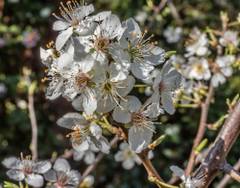
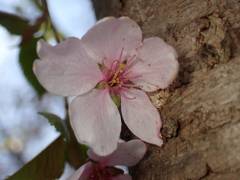
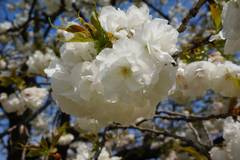
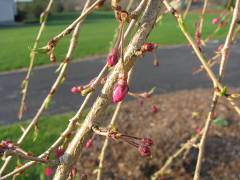
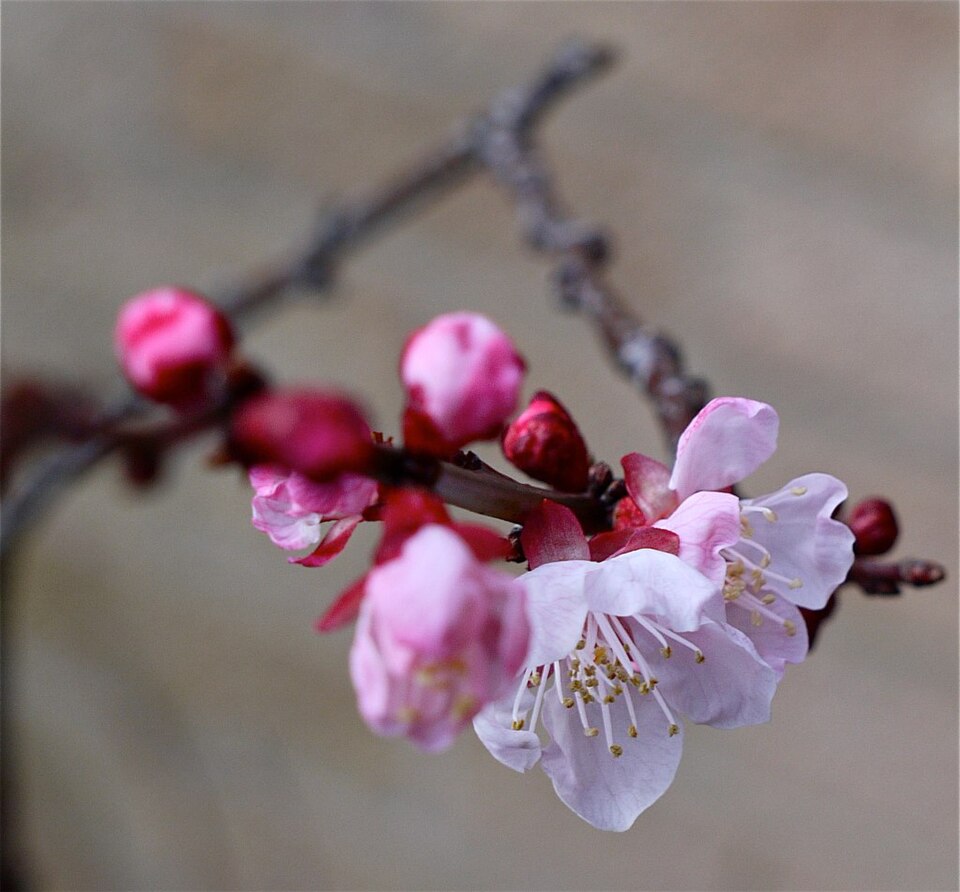
White to pale-pink five-petaled flowers 0.75-1 inch (2-2.5 cm) across open in late February to March on bare branches before leaf emergence. Bloom lasts 7-14 days. Late frosts below 28°F (-2°C) destroy that year's crop. Partially self-fertile; cross-pollination with another apricot cultivar within 50 feet (15 m) increases fruit set.
Detailed Descriptions
Flower Description
White to pale pinkFoliage Description
Medium green; finely serrated marginsGrowing Conditions
Sun Requirements
Requires 6-10 hours of direct sunlight daily
• Full Sun: 6+ hours of direct sunlight
• Partial Shade: 3-6 hours of direct sunlight
• Full Shade: Less than 3 hours of direct sunlight
Care & Maintenance
Care Guide
Grown in full sun (6+ hours) in well-drained loam at pH 6.0-7.5; tolerates clay if drainage is adequate. Deep weekly watering during the first two growing seasons supports establishment; mature trees tolerate periods of drought. Fruit is thinned to 2-4 inch (5-10 cm) spacing in May to support fruit sizing. Brown rot (Monilinia fructicola) damages fruit in warm humid conditions; copper or sulfur sprays at petal fall and again 2-3 weeks before harvest reduce infection. Eutypa dieback (Eutypa lata) enters pruning wounds in wet weather; pruning is done in late summer rather than winter to limit infection. Bears fruit in 3-5 years on standard rootstock. Zones 5-8.Pruning
Open-center vase training is the typical orchard form, established by selecting three to four scaffold branches and removing the central leader in year two. Annual pruning in late summer (July-August) — rather than winter — limits Eutypa dieback infection because the fungus enters wet pruning wounds in cool damp weather. Removing 20-30% of one-year-old wood maintains fruit-bearing renewal.Pruning Schedule
Prune: July–August
summer
Container Growing
Minimum container size: 25 gallons