Magnolia, Genus, tripetala, Species,
- Genus & species
umbrella magnolia
Eastern and southeastern United States (Appalachians)
Overview
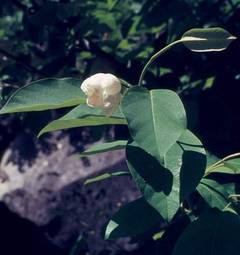
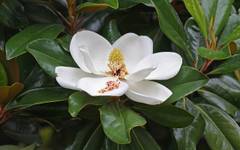
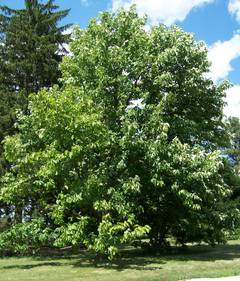
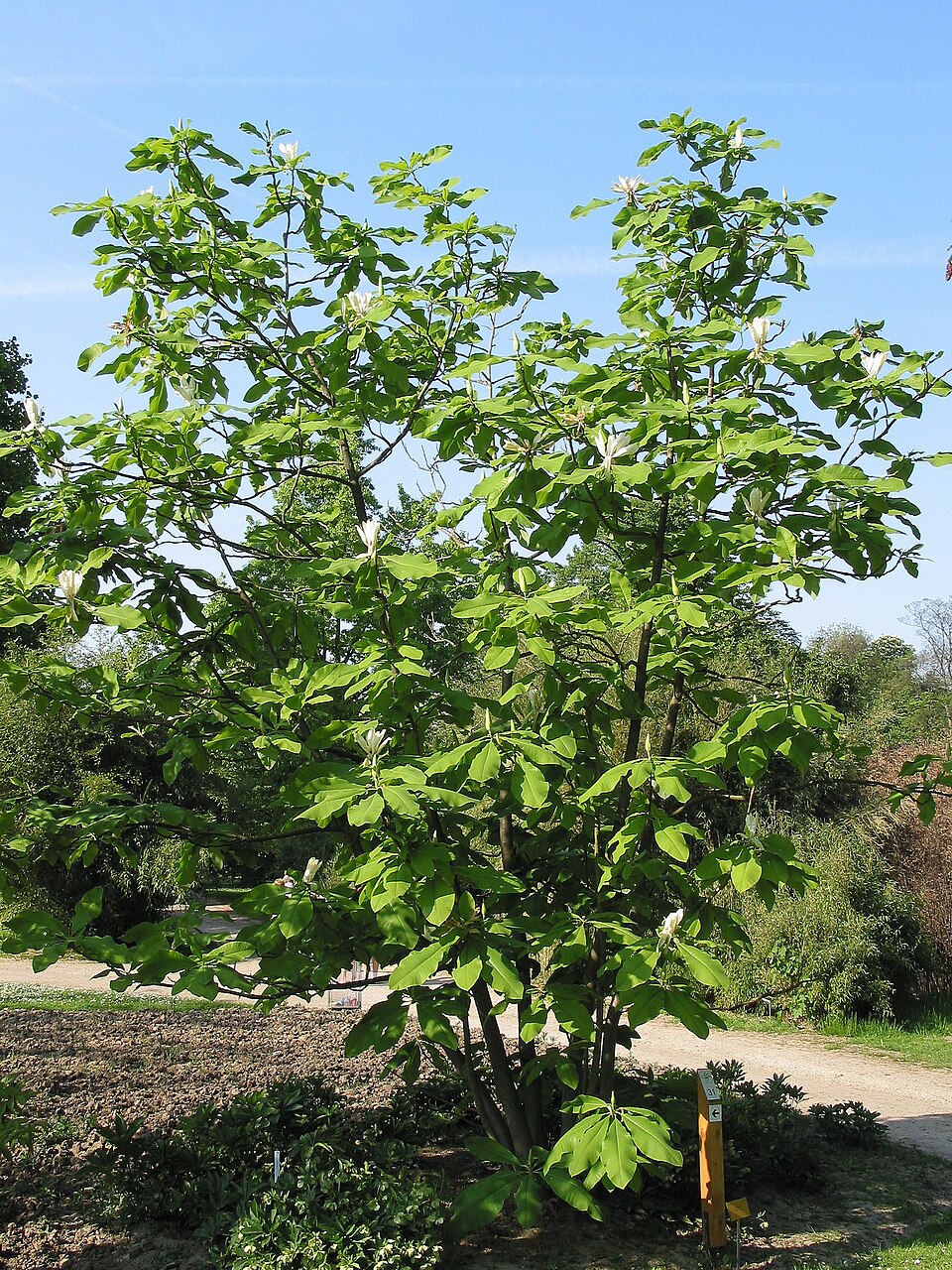
Magnolia tripetala is a deciduous tree in the family Magnoliaceae, reaching 15-40 feet (4.5-12 m) tall with a spreading, open crown and often several trunks. Leaves are large, 10-24 inches (25-60 cm) long and 6-10 inches (15-25 cm) wide, oblong, and clustered at the branch tips so they radiate like the ribs of an umbrella. Creamy-white flowers open in late spring, 6-10 inches (15-25 cm) across, with 6 to 9 petals and a strong, musty odor that carries on still air. The flowers are followed by cone-like aggregate fruits 2.5-4 inches (6-10 cm) long that ripen rose-red and split to release seeds on thin red threads. Bark is smooth and gray. It grows naturally in moist, shaded ravines and stream banks in deep, fertile soil. The coarse leaves and open form suit woodland and shade plantings. One limitation is the unpleasant flower scent together with the litter of large leaves and fruit, which fall over an extended period.
Native Range
Magnolia tripetala is native to the eastern and southeastern United States, from Pennsylvania south through the Appalachian Mountains to Georgia and Alabama, with scattered populations west to Arkansas. It grows in moist mountain woods, ravines, and along streams.Suggested Uses
Magnolia tripetala is used as a specimen or understory tree in shaded gardens, woodland edges, and naturalized plantings. Its bold foliage suits large, sheltered spaces. The leaf and fruit litter and flower odor make it better suited to informal areas than to patios or entries.How to Identify
Appearance
Size & Dimensions
Height15' - 40'
Width/Spread15' - 30'
Bloom Information
Flowering occurs in late spring, generally May, after the leaves expand. The large white flowers open over about two weeks and release a strong scent. Red cone-like fruits develop through summer and ripen from late summer into early fall.
Detailed Descriptions
Foliage Description
greenGrowing Conditions
Sun Requirements
Requires 3-8 hours of direct sunlight daily
• Full Sun: 6+ hours of direct sunlight
• Partial Shade: 3-6 hours of direct sunlight
• Full Shade: Less than 3 hours of direct sunlight