Magnolia, Genus, sprengeri, Species,
- Genus & species
Sprenger's magnolia
Central China (Hubei, Sichuan provinces); montane forests at 4,000-8,000 ft (1,200-2,400 m); introduced to Western cultivation by E.H. Wilson in 1900
Overview
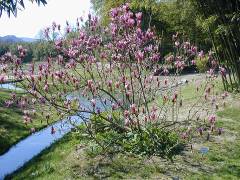
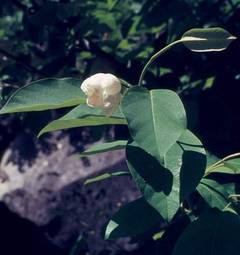
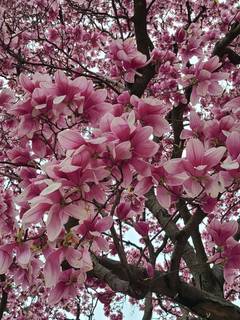
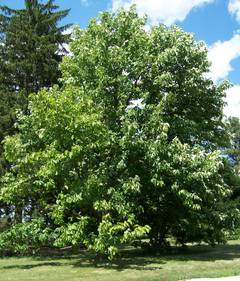
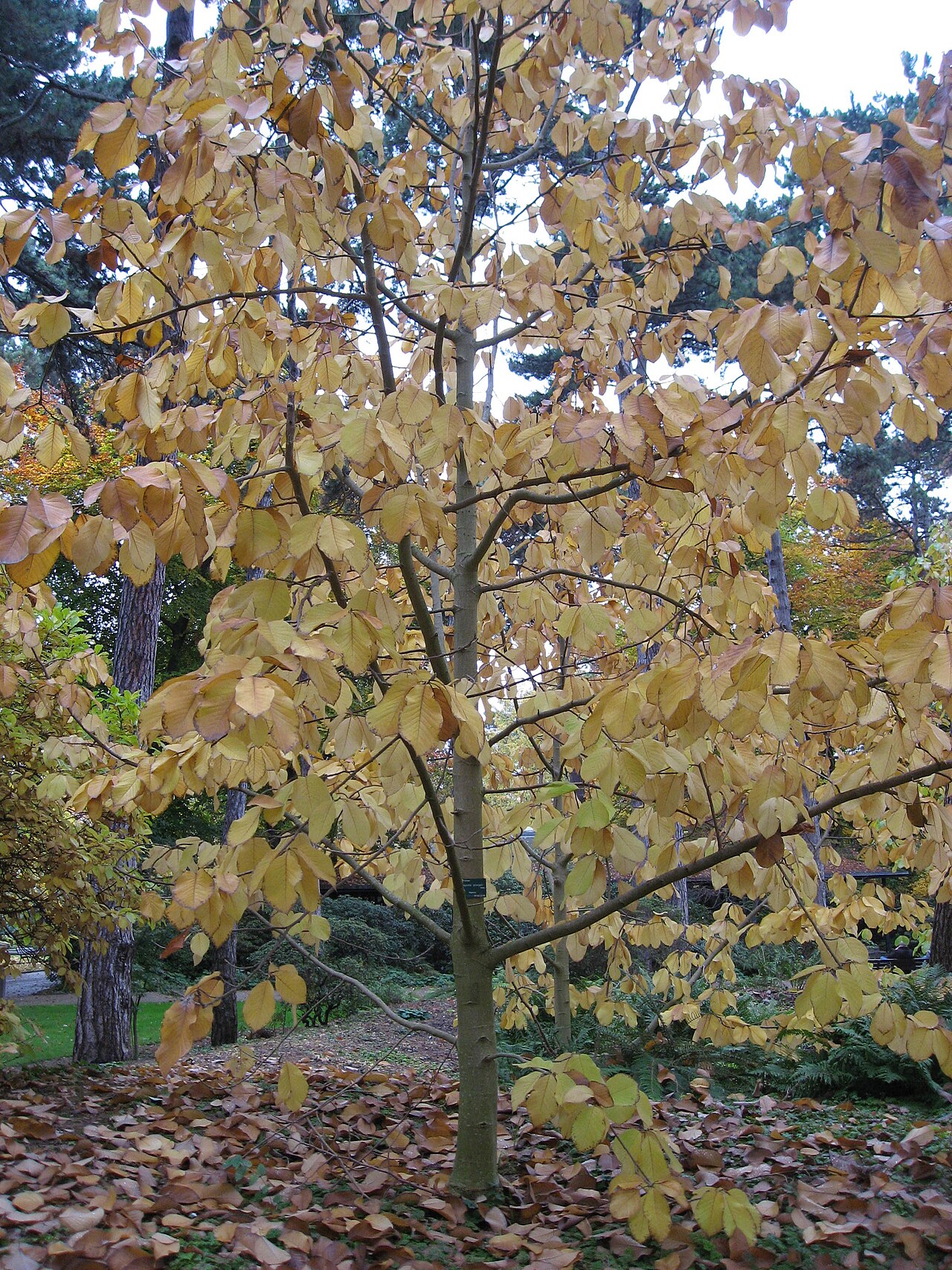
Magnolia sprengeri is a medium to large deciduous tree reaching 30-50 feet (9-15 m) tall with a spread of 20-35 feet (6-10.5 m) and a broadly pyramidal to rounded crown. Cup-shaped to goblet-shaped flowers 6-8 inches (15-20 cm) across with 9-12 tepals open on bare branches in March and April, white to pale pink in the type form (the more commonly encountered var. diva has deeper rose-pink flowers). Bloom duration is 2-3 weeks and the flowers carry a light fragrance. Seed-grown trees pass through a juvenile phase of 10-20 years before flowering begins; grafted plants reach flowering size sooner. Alternate obovate to oblong leaves are 5-8 inches (13-20 cm) long and dark green, with yellow autumn color. Growth rate is moderate. Hardy to USDA zone 6, a cold-hardiness advantage over the larger-flowered M. campbellii which fails below zone 7. Non-toxic. The species was introduced to Western cultivation by E.H. Wilson in 1900 from central China.
Native Range
Magnolia sprengeri is native to central China — Hubei and Sichuan provinces — in montane forests at 4,000-8,000 feet (1,200-2,400 m). It was introduced to Western cultivation by E.H. Wilson in 1900.Suggested Uses
Used as a specimen in medium to large gardens and parks in zones 6-9 at 25-30 foot (7.5-9 m) spacing. The USDA zone 6 rating extends the planting range for large-flowered Asian magnolias further north than M. campbellii allows. The type form has paler flowers than the more widely cultivated var. diva — visual impact is lighter. The 10-20 year juvenile period from seed calls for patience; grafted stock shortens the wait. Late-spring frosts can destroy blooms in frost-pocket sites. Not suited to small gardens, frost pockets, alkaline soils, or exposed windy positions.How to Identify
Appearance
Size & Dimensions
Height30' - 50'
Width/Spread20' - 35'
Bloom Information
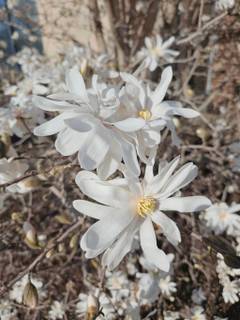
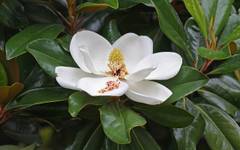
Cup-shaped to goblet-shaped flowers 6-8 inches (15-20 cm) across with 9-12 tepals, white to pale pink (type form), opening on bare branches in March and April. Light fragrance. Bloom duration is 2-3 weeks. Seed-grown trees reach first flower in 10-20 years; grafted plants bloom sooner. Late-spring frosts can destroy an open flush.
Detailed Descriptions
Flower Description
White to pale pink (type form); cup-shaped to goblet-shaped 6-8 inches (15-20 cm) across with 9-12 tepals; light fragrance; March-April on bare branchesFoliage Description
Dark green; alternate obovate to oblong 5-8 inches (13-20 cm) longGrowing Conditions
Sun Requirements
Requires 4-8 hours of direct sunlight daily
• Full Sun: 6+ hours of direct sunlight
• Partial Shade: 3-6 hours of direct sunlight
• Full Shade: Less than 3 hours of direct sunlight
Care & Maintenance
Care Guide
Grows in full sun to partial shade in moist, rich, well-drained, acidic soil at pH 5.0-6.5. Hardy to USDA zone 6, which is hardier than M. campbellii. Late-spring frost can destroy an open flush in exposed sites; a south- or west-facing sheltered position reduces damage. Mulch the root zone 2-3 inches (5-8 cm) deep. Transplant balled-and-burlapped or container-grown in early spring; magnolias are slow to recover from root disturbance. Growth rate is moderate. No significant pest or disease problems.Pruning
Prune in late spring immediately after flowering if needed. The naturally pyramidal to rounded form develops without training. Remove dead, crossing, or damaged branches. Heavy cuts into older wood heal slowly on magnolias and are better avoided.Pruning Schedule
Prune: May–June
late spring