Magnolia, Genus, sargentiana, Species,
- Genus & species
Sargent's magnolia
SW China (Sichuan; montane forests; 5000-8500 ft / 1500-2600 m; introduced E.H. Wilson 1908; named after C.S. Sargent Arnold Arboretum)
Overview
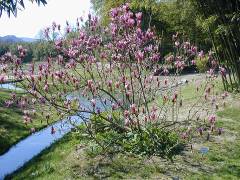
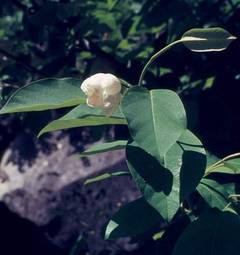
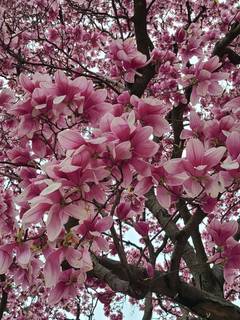
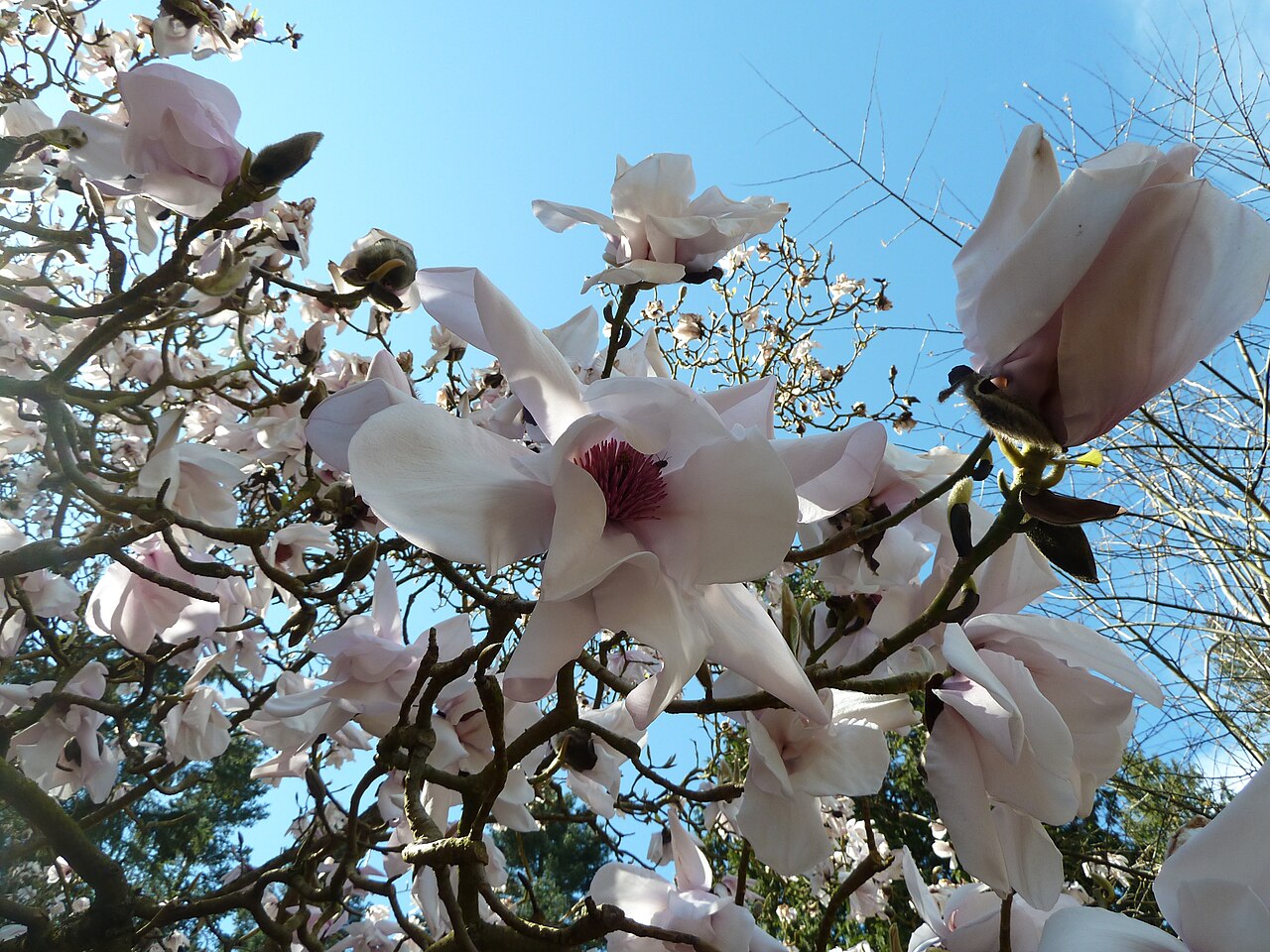
Magnolia sargentiana is a large, deciduous tree reaching 35–60 feet (10.5–18 m) tall in cultivation (to 80 feet / 24 m in habitat) with a spread of 25–40 feet (7.5–12 m) and a broadly spreading, rounded crown. Native to Sichuan, China, this species produces among the largest flowers of any deciduous magnolia: broadly cup-shaped to saucer-shaped, 8–12 inches (20–30 cm) across with 12–16 thick tepals, rose-pink to mauve-pink on the exterior and paler pink to white within. The flowers nod slightly and are held horizontally to pendant on bare branches in March–April. The variety robusta (var. robusta), which is more commonly cultivated, blooms earlier (at 8–15 years from seed versus 20+ years for the type). The alternate, obovate leaves are 5–8 inches (13–20 cm) long, dark green. Growth rate is moderate. Hardy to zone 7. The early bloom is highly susceptible to late frost damage.
Native Range
Magnolia sargentiana is native to southwestern China—Sichuan Province—in montane forests at 5,000–8,500 feet (1,500–2,600 m) elevation. It was introduced to Western cultivation by E.H. Wilson in 1908 and named after Charles Sprague Sargent of the Arnold Arboretum.Suggested Uses
Planted as a specimen in large gardens, parks, and estates at 30–40 foot (9–12 m) spacing. The very large flowers (8–12 inches) on bare branches are among the largest of any deciduous magnolia. The broad spreading crown requires substantial space (35–60 feet tall, 25–40 feet spread). Requires sheltered, frost-free positions for the March–April bloom. The 20+ year wait for flowers from seed (type form) requires long-term planning—var. robusta reduces this. Not suitable for small gardens, frost pockets, exposed sites, or cold continental climates.How to Identify
Appearance
Size & Dimensions
Height35' - 60'
Width/Spread25' - 40'
Bloom Information
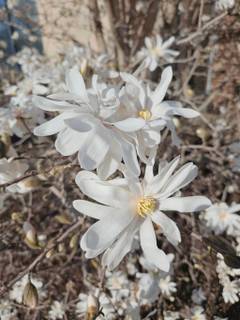
Broadly cup-shaped to saucer-shaped flowers 8–12 inches (20–30 cm) across with 12–16 thick tepals, rose-pink to mauve-pink exterior and paler pink to white interior, on bare branches in March–April. Flowers nod slightly to horizontally. Bloom duration is 2–3 weeks. Highly susceptible to late frost damage. The type requires 20+ years from seed to first flower; var. robusta blooms at 8–15 years.
Detailed Descriptions
Flower Description
Rose-pink to mauve-pink exterior, paler pink to white interior; cup to saucer-shaped 8-12 inches; 12-16 thick tepals; horizontally held to nodding; Mar-Apr bare branchesFoliage Description
Dark green; alternate obovate 5-8 inchesGrowing Conditions
Sun Requirements
Requires 4-8 hours of direct sunlight daily
• Full Sun: 6+ hours of direct sunlight
• Partial Shade: 3-6 hours of direct sunlight
• Full Shade: Less than 3 hours of direct sunlight
Care & Maintenance
Care Guide
Plant in full sun to partial shade in moist, rich, well-drained, acidic soil (pH 5.0–6.5). Hardy to zone 7. Requires a sheltered position protected from late frosts and cold winds—the very early bloom is frost-sensitive. The large mature size requires substantial space. Mulch the root zone deeply. Transplant balled-and-burlapped in spring. Moderate growth rate. The extremely long juvenile period from seed (20+ years for the type) is a consideration—var. robusta is faster.Pruning
Minimal pruning required. Remove dead or damaged branches in late spring. The naturally broad, spreading crown develops without intervention. The large mature size requires adequate space at planting rather than management through pruning.Pruning Schedule
Prune: May–June
late spring