Magnolia, Genus, salicifolia, Species,
- Genus & species
anise magnolia
Japan (Honshu, Shikoku, Kyushu mountains); moist deciduous forests along mountain streams at 1,500-5,000 ft (450-1,500 m)
Overview
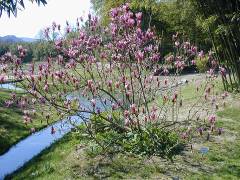
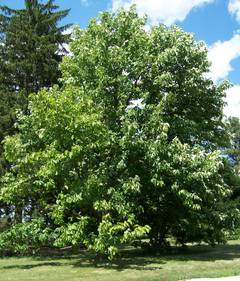
Magnolia salicifolia is a small to medium deciduous tree reaching 20-30 feet (6-9 m) tall with a spread of 12-20 feet (3.6-6 m) and a narrowly pyramidal to conical crown. The species is named for its willow-like foliage: alternate narrowly elliptic to lanceolate leaves 3-6 inches (8-15 cm) long and only 1-2 inches (2.5-5 cm) wide, medium to dark green above and paler beneath. Crushed leaves, bark, and young twigs release a strong anise (licorice) scent — a diagnostic feature that gives the species its common name. Star-shaped white flowers 3-4 inches (8-10 cm) across with 6 narrow tepals and 3 smaller outer sepals open on bare branches in March and April, carrying a light sweet fragrance separate from the anise scent of the vegetative parts. Bloom duration is 2-3 weeks and the early flowering period puts the flowers at risk of late-frost damage. Growth rate is moderate, 12-18 inches (30-45 cm) per year in youth. Autumn leaf color is yellow. Hardy to USDA zone 4. Non-toxic. The narrow crown and slender leaves give a finer texture than most magnolia species. This species is a parent of the M. × kewensis hybrids (crossed with M. kobus) and of M. × loebneri (via M. kobus and M. stellata).
Native Range
Magnolia salicifolia is native to Japan — the mountains of Honshu, Shikoku, and Kyushu — where it grows in moist deciduous forests along mountain streams at 1,500-5,000 feet (450-1,500 m).Suggested Uses
Used as a specimen in residential gardens, small public plantings, and mixed borders in zones 4-8 at 12-15 foot (3.6-4.5 m) spacing. The narrow pyramidal form and slender willow-like foliage give a lighter, finer texture than most broad-leaved magnolias, and the anise-scented foliage is an additional sensory feature at close range. Flowers are 3-4 inches (8-10 cm) across — smaller than those of many Asian magnolia species, which may not suit gardens where large flowers are the target. Late-spring frosts can destroy an open flush of blooms in frost-pocket sites. Not suited to alkaline soils, drought-prone sites, or exposed frost-pocket locations.How to Identify
Appearance
Size & Dimensions
Height20' - 30'
Width/Spread12' - 20'
Bloom Information
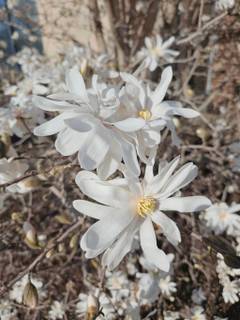
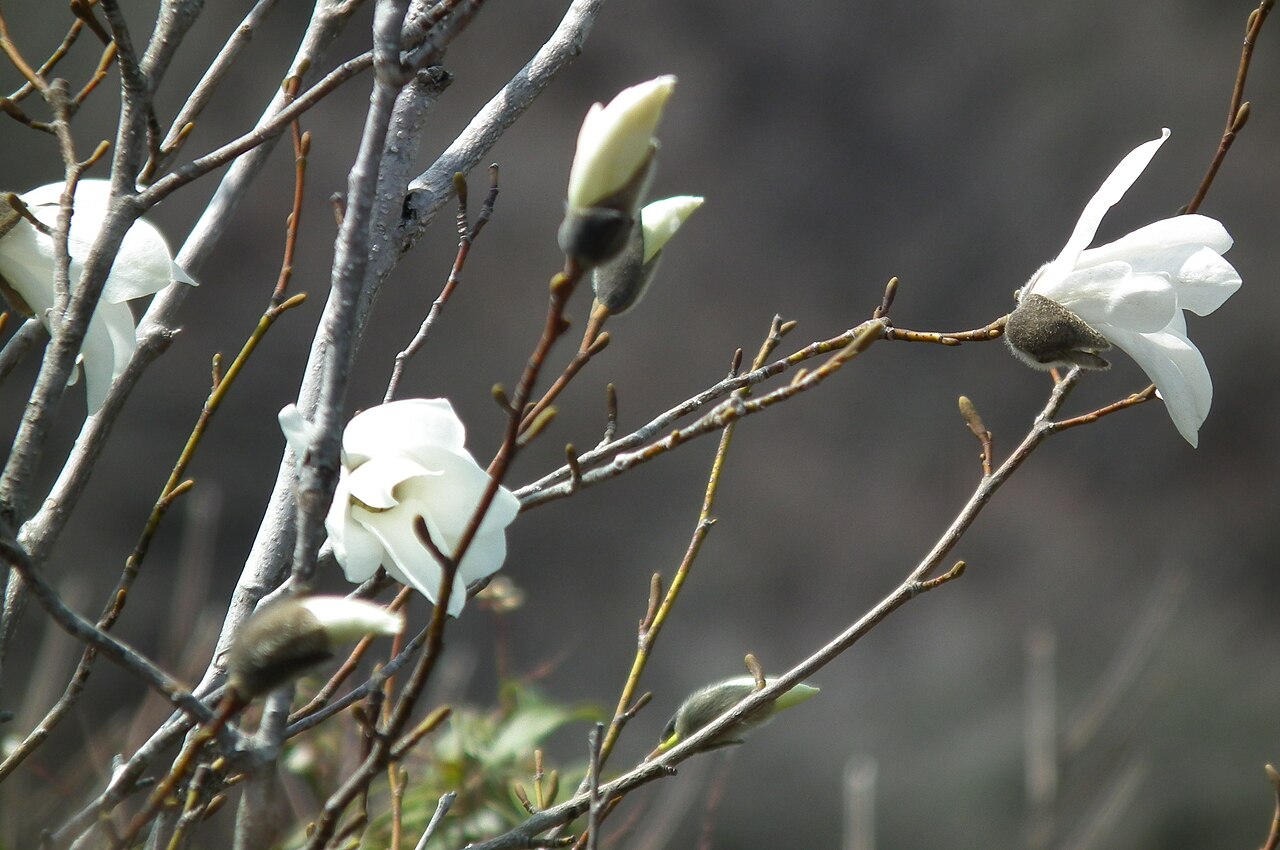
Star-shaped white flowers 3-4 inches (8-10 cm) across with 6 narrow tepals plus 3 smaller outer sepals, on bare branches in March and April. Light sweet fragrance, separate from the anise scent of crushed vegetative parts. Bloom duration is 2-3 weeks. Late-spring frosts can destroy an open flush overnight.
Detailed Descriptions
Flower Description
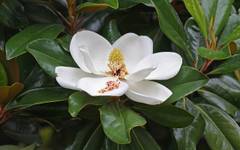
White; star-shaped 3-4 inches (8-10 cm) across with 6 narrow tepals and 3 smaller outer sepals; light sweet fragrance; March-April on bare branchesFoliage Description
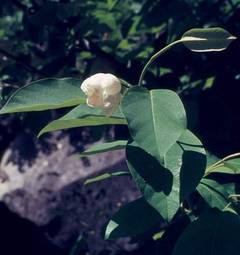
Medium to dark green; alternate narrowly elliptic to lanceolate 3-6 inches (8-15 cm) long and 1-2 inches (2.5-5 cm) wide; willow-like; anise-scented when crushedGrowing Conditions
Sun Requirements
Requires 4-8 hours of direct sunlight daily
• Full Sun: 6+ hours of direct sunlight
• Partial Shade: 3-6 hours of direct sunlight
• Full Shade: Less than 3 hours of direct sunlight
Care & Maintenance
Care Guide
Grows in full sun to partial shade in moist, well-drained, acidic to neutral soil at pH 5.0-7.0. Hardy to USDA zone 4. Tolerates a wider range of soil types than many magnolias including clay and silt. Mulch the root zone 2-3 inches (5-8 cm) deep to retain moisture. Transplant balled-and-burlapped or container-grown in early spring; magnolias are slow to recover from root disturbance. The narrow pyramidal crown requires little lateral space. Growth rate is moderate. No significant pest or disease problems.Pruning
Prune in late spring immediately after flowering if needed. The naturally narrow pyramidal form with a central leader develops without training. Remove dead, crossing, or damaged branches. Heavy cuts into older wood heal slowly and are better avoided.Pruning Schedule
Prune: May–June
late spring