Magnolia, Genus, macrophylla, Species,
- Genus & species
bigleaf magnolia
Southeastern United States (southern Ohio and West Virginia south to Florida, west to Louisiana, Arkansas)
Overview
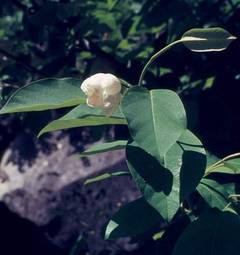
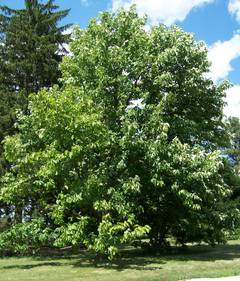
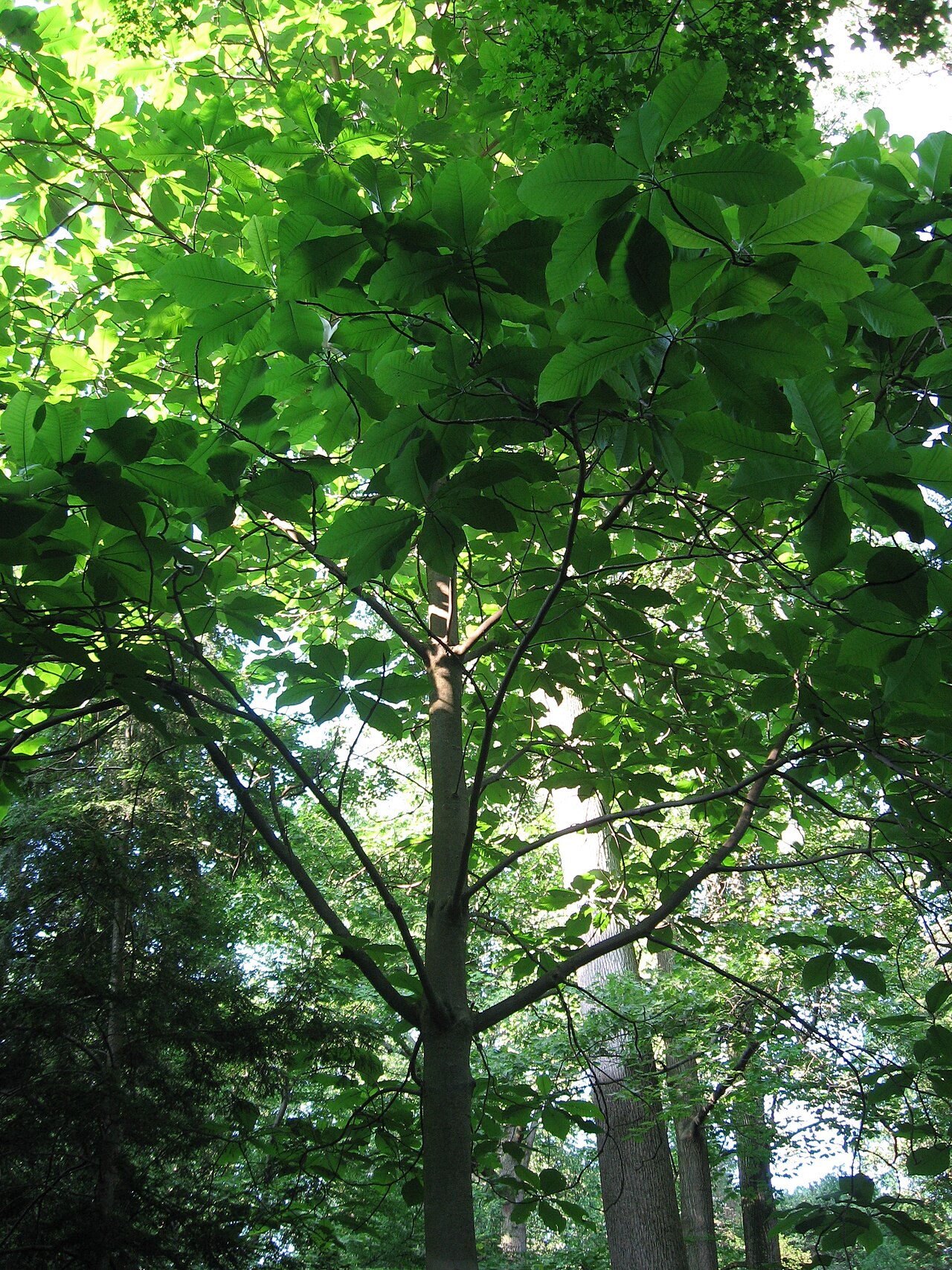
Magnolia macrophylla is a medium to large deciduous tree reaching 30–50 feet (9–15 m) tall and 25–35 feet (7.5–10.5 m) wide, with a broadly rounded open crown. Leaves are alternate, simple, oblong-obovate, 12–32 inches (30–80 cm) long and 7–12 inches (18–30 cm) wide, with an auriculate (eared) base — a leaf size that roughly 1.5–2 times exceeds the 8–15 inch (20–38 cm) leaf of M. tripetala and places this species at the upper end of leaf dimensions for native North American trees. Leaf surface is bright green above with a silvery-white to glaucous underside; texture is thin and papery rather than leathery, and the leaf shreds and browns at sustained wind speeds above 15 mph (24 km/h). Flowers are cup-shaped, creamy-white, 8–14 inches (20–35 cm) across, with 6 thick tepals each carrying a purple-rose blotch at the base, and a heavy sweet fragrance detectable 15–25 feet (4.5–7.5 m) from the plant. Bloom appears in May–June after the leaves have fully expanded, with the large foliage partially screening individual flowers from distant view. Cone-like aggregate fruit 2–3 inches (5–8 cm) long ripens to rose-pink in September–October. Growth rate is moderate at 12–18 inches (30–45 cm) per year, reaching mature size in 20 years. Hardy to USDA zone 5. Not known to be toxic to pets or humans.
Native Range
Magnolia macrophylla is native to the southeastern United States, from southern Ohio and West Virginia south through Kentucky, Tennessee, and the Carolinas to Georgia, Alabama, Mississippi, Louisiana, and Arkansas, occurring in rich moist forest ravines and lower slopes at 500–3,000 feet (150–900 m) elevation.Suggested Uses
Used as a specimen tree in sheltered, wind-protected positions in medium to large gardens, arboreta, and estates at 25–30 foot (7.5–9 m) spacing. The 12–32 inch (30–80 cm) leaves carry a tropical-reading foliage texture that sits apart from other temperate North American trees and reads most strongly from within 20 feet (6 m) where the leaf scale and silvery undersides are visible in detail. The 8–14 inch (20–35 cm) flowers are often partially obscured by the foliage at peak bloom in May–June, and the coarse winter branching and heavy autumn leaf drop are factors in siting. The tree does not grow well in windy exposed sites, small gardens, formal landscapes, or positions where low-litter presentation is required.How to Identify
Appearance
Size & Dimensions
Height30' - 50'
Width/Spread25' - 35'
Bloom Information
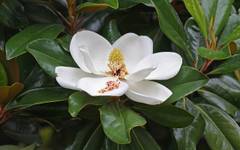
Cup-shaped creamy-white flowers 8–14 inches (20–35 cm) across with 6 thick tepals carrying purple-rose basal blotches appear May–June over a 2–3 week window, after the leaves have fully expanded. Fragrance is heavy and sweet, detectable 15–25 feet (4.5–7.5 m) on still air. The large foliage partially screens individual flowers from distant view. Cone-like aggregate fruit 2–3 inches (5–8 cm) ripens to rose-pink in September–October.
Detailed Descriptions
Flower Description
Creamy-white cup-shaped flowers 8-14 inches across with 6 thick tepals carrying purple-rose basal blotches; heavy sweet fragrance; May-June after leaves expandFoliage Description
Bright green above, silvery-white to glaucous underside; alternate simple oblong-obovate 12-32 inches long and 7-12 inches wide; auriculate base; thin and papery textureGrowing Conditions
Sun Requirements
Requires 3-8 hours of direct sunlight daily
• Full Sun: 6+ hours of direct sunlight
• Partial Shade: 3-6 hours of direct sunlight
• Full Shade: Less than 3 hours of direct sunlight
Care & Maintenance
Care Guide
Grow in partial shade to full sun with 3–8 hours of direct light in moist, rich, well-drained loam or silt at pH 5.0–6.5. The 12–32 inch (30–80 cm) leaves shred and brown in sustained wind above 15 mph (24 km/h); a planting position in the understory of larger trees, in a sheltered courtyard, or in the lee of a building keeps the foliage intact through summer. Water deeply once per week during the first three growing seasons, then maintain moisture during extended drought. Apply 2–3 inches (5–8 cm) of organic mulch over the root zone in spring. The large leaves produce roughly 8–15 pounds (4–7 kg) of annual leaf litter per mature tree and accumulate as a thick autumn drop. Transplant balled-and-burlapped or container-grown specimens in spring. Hardy to USDA zone 5.Pruning
Prune in late spring after flowering when needed. The naturally broadly rounded and open crown requires no shaping beyond removal of dead, damaged, or storm-broken branches. The coarse branching structure does not respond well to heavy reduction cuts; mature-size planning at installation is the practical size control.Pruning Schedule
Prune: May–June
late spring