Magnolia, Genus, kobus, Species,
- Genus & species
kobus magnolia
Overview
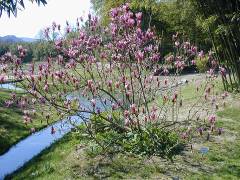
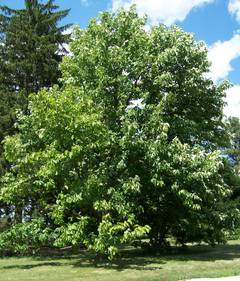
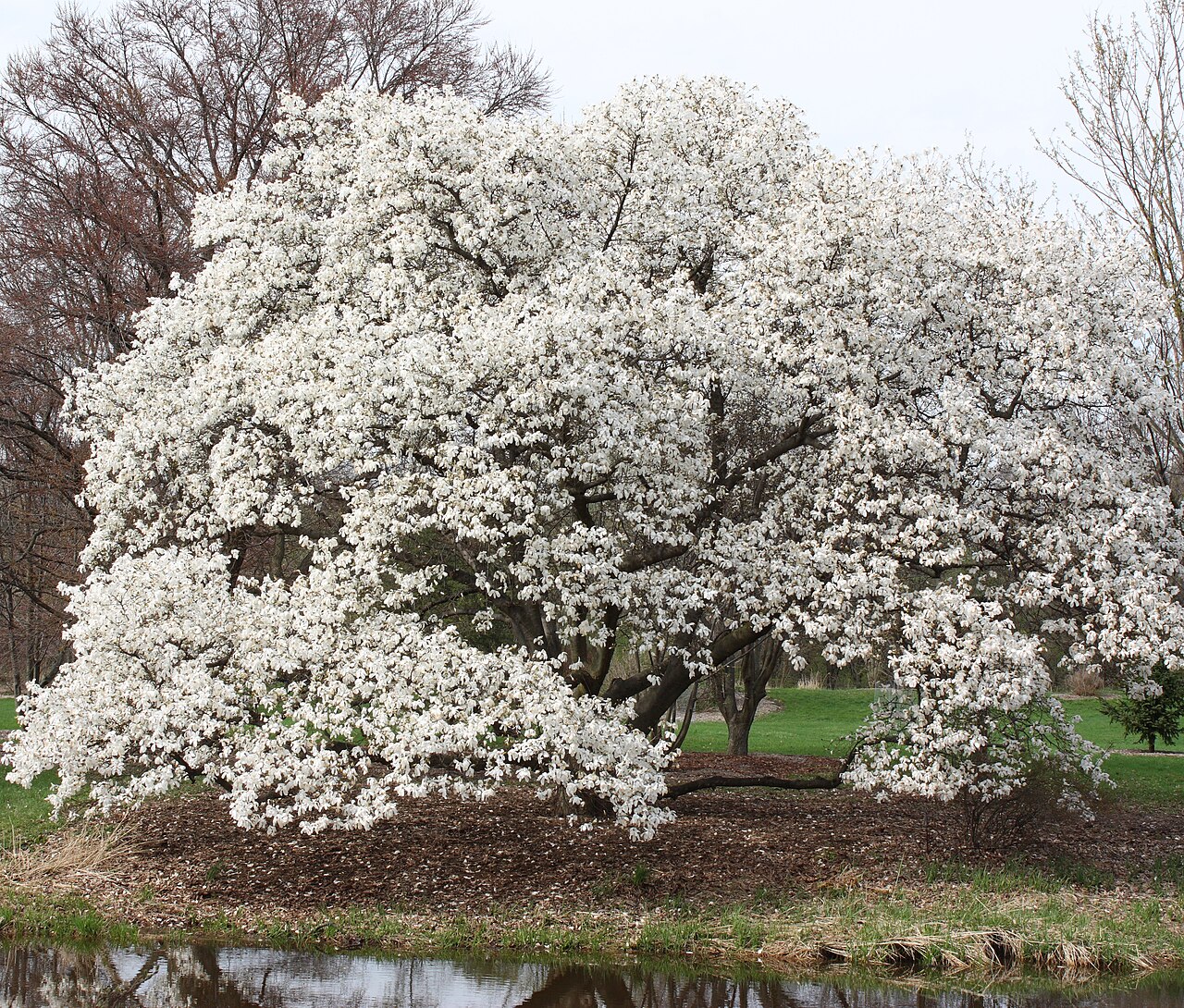
Magnolia kobus is a medium to large deciduous tree reaching 25–40 feet (7.5–12 m) tall in cultivation — to 75 feet (23 m) in native habitat — and 25–35 feet (7.5–10.5 m) wide, with a broadly pyramidal crown that rounds out with age. The species is native to Japan and Korea and carries USDA zone 4 cold hardiness, tolerating sustained winter temperatures to –30°F (–34°C). Flowers are 3–4 inches (8–10 cm) across, white, with 6 tepals plus 3 smaller sepal-like outer tepals, lightly fragrant, borne on bare branches from late March through April over a 2–3 week window. Seedling trees reach flowering maturity at 10–15 years; grafted specimens flower sooner at 3–5 years. Leaves are alternate, obovate, 3–6 inches (8–15 cm) long, medium to dark green, emerging after the flowers fade. Bark is smooth and gray on young trunks, developing shallow furrows with age. Growth rate is moderate at 12–18 inches (30–45 cm) per year, reaching mature size in 20 years. The species is widely used as rootstock for grafting other magnolia cultivars and is a parent species in the crosses that produce M. × loebneri and M. × kewensis. Not known to be toxic to pets or humans.
Native Range
Magnolia kobus is native to Japan (Honshu, Hokkaido, Kyushu, Shikoku) and Korea, occurring in temperate deciduous forests, mountain slopes, and stream valleys from sea level to 4,000 feet (1,200 m) elevation.Suggested Uses
Used as a specimen tree, shade tree, or rootstock plant in medium to large gardens at 25–30 foot (7.5–9 m) spacing. Zone 4 cold hardiness extends magnolia plantings into colder regions than most species in the genus. Flowers are 3–4 inches (8–10 cm) — smaller than garden hybrids such as M. × soulangeana at 4–6 inches (10–15 cm) and M. 'Iolanthe' at 8–10 inches (20–25 cm). The long juvenile period from seed makes grafted plants the typical nursery form for landscape plantings. Beyond landscape use, the species is widely employed as rootstock onto which other magnolia cultivars are grafted. Not suitable for very small gardens or positions where large, saturated-color flowers are expected.How to Identify
Appearance
Size & Dimensions
Height25' - 40'
Width/Spread25' - 35'
Bloom Information
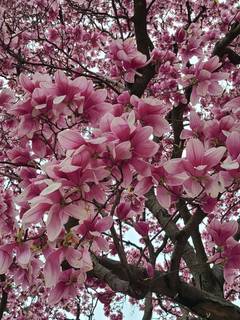
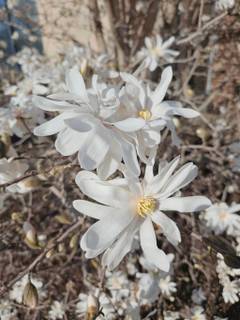
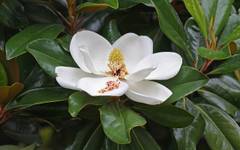
Flowers 3–4 inches (8–10 cm) across, white, with 6 tepals plus 3 smaller sepal-like outer tepals, lightly fragrant, on bare branches from late March through April over a 2–3 week window. Seedling trees reach flowering maturity at 10–15 years; grafted specimens flower at 3–5 years. Late frosts below 28°F (–2°C) damage open flowers.
Detailed Descriptions
Flower Description
White flowers 3-4 inches across with 6 tepals plus 3 smaller outer sepal-like tepals; lightly fragrant; on bare branches late March-AprilFoliage Description
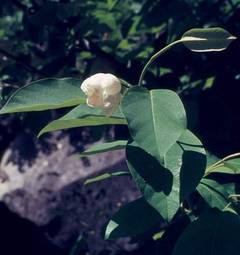
Medium to dark green; alternate, obovate, 3-6 inches long; emerging after flowers fadeGrowing Conditions
Sun Requirements
Requires 4-10 hours of direct sunlight daily
• Full Sun: 6+ hours of direct sunlight
• Partial Shade: 3-6 hours of direct sunlight
• Full Shade: Less than 3 hours of direct sunlight
Care & Maintenance
Care Guide
Grow in full sun to partial shade with 4–10 hours of direct light in moist, well-drained loam, clay, or silt at pH 5.0–7.0. The species tolerates a wider soil pH range than most magnolias, including soils up to pH 7.0, and accepts heavier clay soils with adequate drainage. Water deeply once per week during the first three growing seasons, then maintain moisture during extended drought. Apply 2–3 inches (5–8 cm) of organic mulch over the root zone in spring. The long juvenile period from seed (10–15 years) means seedling-grown specimens may not flower for more than a decade; grafted plants flower within 3–5 years. No significant pest or disease problems have been reported. Hardy to USDA zone 4, with sustained winter temperatures to –30°F (–34°C).Pruning
Prune in late spring after flowering when needed. Develop a single central leader during the first 3–5 years if a single-trunk form is desired. The naturally pyramidal to rounded mature form requires minimal pruning beyond removal of dead, crossing, or damaged branches. Heavy pruning regrows slowly on magnolias.Pruning Schedule
Prune: May–June
late spring