Magnolia, Genus, 'Iolanthe', Cultivar,
- Genus
- Cultivar
Iolanthe magnolia
Garden hybrid raised in Taranaki, New Zealand; parent lineage from China ({M. campbellii var. mollicomata}) and European garden hybrids ({M. × soulangeana})
Overview
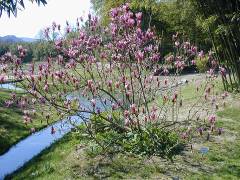
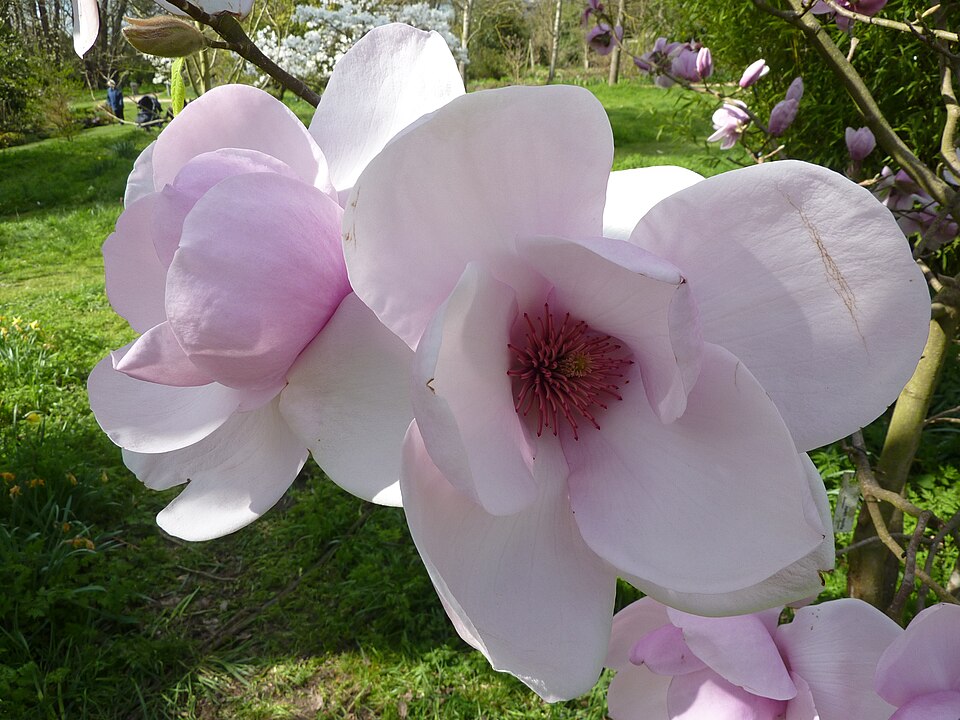
Magnolia 'Iolanthe' is a medium to large deciduous tree reaching 25–40 feet (7.5–12 m) tall and 20–30 feet (6–9 m) wide, with a broadly pyramidal crown that rounds out with age. The cultivar is a garden hybrid of M. × soulangeana 'Lennei' × M. campbellii var. mollicomata 'Lanarth' raised by Felix Jury in Taranaki, New Zealand and introduced around 1974. Flowers are broadly cup-shaped, 8–10 inches (20–25 cm) across, with 9–12 thick tepals — rose-pink to deep pink on the exterior and paler pink fading to white within — and appear on bare branches from late March through April over a 2–3 week window. Grafted specimens of this cultivar typically flower within 5–8 years of grafting, compared with 15–30 years from seed for pure M. campbellii. Leaves are alternate, obovate, 6–10 inches (15–25 cm) long, dark green, emerging after the flowers fade. Bloom timing places flowering 2–4 weeks earlier than M. × soulangeana, and open flowers are susceptible to late-spring frost damage when temperatures drop below 28°F (–2°C). Growth rate is moderate to rapid at 15–24 inches (38–60 cm) per year, reaching mature size in 20 years. Hardy to USDA zone 7. Not known to be toxic to pets or humans.
Native Range
Magnolia 'Iolanthe' is a garden hybrid (M. × soulangeana 'Lennei' × M. campbellii var. mollicomata 'Lanarth') raised by Felix Jury in Taranaki, New Zealand, and introduced to cultivation around 1974.Suggested Uses
Used as a specimen tree in medium to large residential gardens and public landscapes at 25–30 foot (7.5–9 m) spacing. The 8–10 inch (20–25 cm) flowers match the flower scale of M. campbellii on a plant that blooms 7–22 years earlier from grafted stock and at a 15–20 foot (4.5–6 m) smaller mature size. The early bloom window in late March through April requires a sheltered site to avoid frost loss, and the deciduous habit leaves the tree bare in winter. The tree does not grow well in small gardens, frost pockets, exposed wind sites, or alkaline soils.How to Identify
Appearance
Size & Dimensions
Height25' - 40'
Width/Spread20' - 30'
Bloom Information
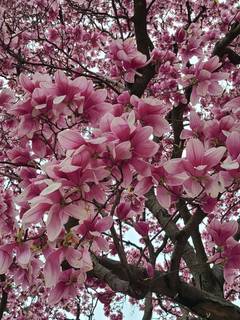
Broadly cup-shaped flowers 8–10 inches (20–25 cm) across with 9–12 thick tepals in rose-pink to deep pink exterior and paler pink-to-white interior appear on bare branches from late March through April over a 2–3 week window. Fragrance is light. Grafted specimens flower within 5–8 years of grafting; seed-grown plants of the parent M. campbellii require 15–30 years. Late frosts below 28°F (–2°C) damage open flowers.
Detailed Descriptions
Flower Description
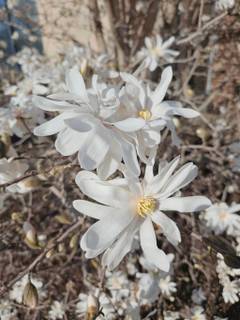
Broadly cup-shaped flowers 8-10 inches across with 9-12 thick tepals; rose-pink to deep pink exterior, paler pink-to-white interior; on bare branches late March-AprilFoliage Description
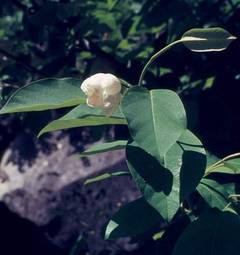
Dark green; alternate, obovate, 6-10 inches long; emerging after flowers fadeGrowing Conditions
Sun Requirements
Requires 4-8 hours of direct sunlight daily
• Full Sun: 6+ hours of direct sunlight
• Partial Shade: 3-6 hours of direct sunlight
• Full Shade: Less than 3 hours of direct sunlight
Care & Maintenance
Care Guide
Grow in full sun to partial shade with 4–8 hours of direct light in moist, rich, well-drained loam or silt at pH 5.0–6.5. A sheltered site reduces late-frost damage to the early flowers: planting on the north or east side of a larger tree or building delays spring bud-break, and positions in open frost pockets concentrate cold air and increase flower loss. Water deeply once per week during the first three growing seasons, then maintain moisture during extended drought. Apply 2–3 inches (5–8 cm) of organic mulch over the root zone in spring. Transplant balled-and-burlapped or container-grown specimens in spring. Growth rate is moderate to rapid at 15–24 inches (38–60 cm) per year. No significant pest or disease problems have been reported. Hardy to USDA zone 7.Pruning
Prune in late spring after flowering when needed. The naturally broadly pyramidal form with a strong central leader requires minimal training. Remove dead, crossing, or damaged branches only. Heavy pruning regrows slowly on magnolias and is generally limited to rejuvenation of declining specimens.Pruning Schedule
Prune: May–June
late spring