Magnolia, Genus, grandiflora, Species, 'Edith Bogue', Cultivar,
- Genus & species
- Cultivar
edith bogue magnolia
Southeastern United States (Virginia to Florida, west to Texas and Oklahoma); cultivar selected from a tree planted by Edith Bogue in Montclair, New Jersey, in 1917 that survived subsequent harsh winters
Overview
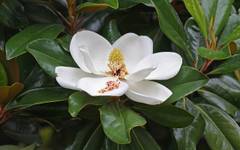
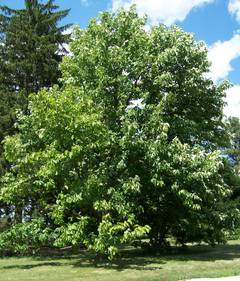
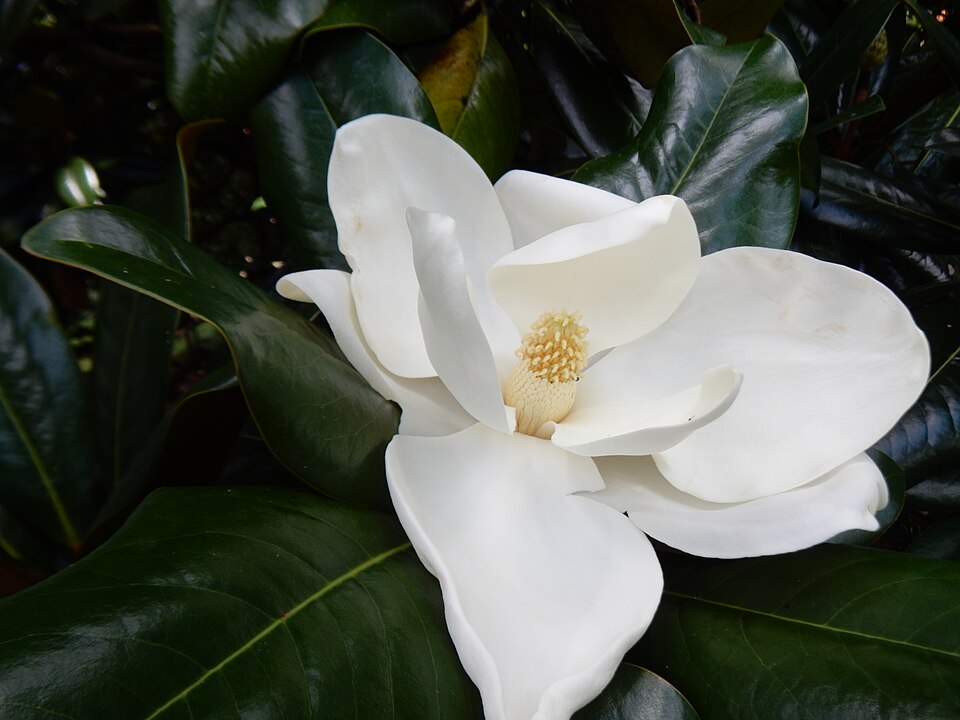
Magnolia grandiflora 'Edith Bogue' is a large evergreen tree reaching 30-50 feet (9-15 m) tall with a spread of 20-30 feet (6-9 m) and a dense, broadly pyramidal crown. The cultivar is cold-hardy to USDA zone 6 (approximately -10 F / -23 C), which is the lower end of tolerance for any M. grandiflora selection; most species types fail below zone 7. The original tree was planted by Edith Bogue in Montclair, New Jersey in 1917 and survived subsequent harsh northeastern winters, which led to its selection and propagation. Flowers are typical of the species: bowl-shaped, creamy-white, 8-10 inches (20-25 cm) across, with 6-12 thick waxy tepals and a strong sweet lemony fragrance. Primary bloom runs May through July, with sporadic flowers into September. Individual flowers last 2-3 days. Total bloom duration across the season is 8-12 weeks. Alternate leaves are glossy dark green above with a light brown indumentum beneath, 5-8 inches (13-20 cm) long and narrower than most M. grandiflora cultivars. Cone-like aggregate fruits 3-5 inches (8-13 cm) long ripen in autumn. Growth rate is moderate. The crown is more open and less densely filled than 'Blanchard' or 'Little Gem'. Non-toxic. Thick leathery leaves create persistent year-round litter.
Native Range
The species Magnolia grandiflora is native to the southeastern United States, from Virginia south to central Florida and west to eastern Texas and Oklahoma. 'Edith Bogue' was selected from a tree planted in Montclair, New Jersey in 1917 that survived the harsh winters of the subsequent decades, and the cultivar is propagated vegetatively for its cold hardiness.Suggested Uses
Used as a specimen or evergreen screen in zones 6-9 at 25-30 foot (7.5-9 m) spacing. The cold-hardy rating to zone 6 (approximately -10 F / -23 C) extends the practical planting range of M. grandiflora into the mid-Atlantic, southern New England, and the Pacific Northwest, where most other cultivars are borderline or die back. The more open crown gives a less solid screen than 'Blanchard'. The 30-50 foot (9-15 m) mature size and persistent leaf litter call for ample space and tolerance for year-round debris. Not suited to small gardens, alkaline soils, or exposed sites in zone 6 without wind protection.How to Identify
Appearance
Size & Dimensions
Height30' - 50'
Width/Spread20' - 30'
Bloom Information
Bowl-shaped creamy-white flowers 8-10 inches (20-25 cm) across with 6-12 thick waxy tepals and a strong sweet lemony fragrance. Primary bloom May-July with sporadic flowers into September. Individual flowers last 2-3 days. Total bloom duration across the season is 8-12 weeks. Cone-like aggregate fruits 3-5 inches (8-13 cm) ripen in autumn.
Detailed Descriptions
Flower Description
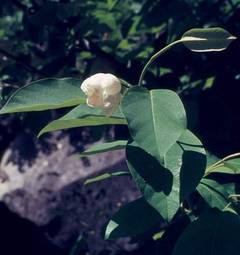
Creamy-white bowl-shaped 8-10 inches (20-25 cm) across; 6-12 thick waxy tepals; strong sweet lemony fragrance; May-July with sporadic flowers into SeptemberFoliage Description
Glossy dark green above; light brown indumentum beneath; alternate 5-8 inches (13-20 cm), narrower than most cultivars; thick and leatheryGrowing Conditions
Sun Requirements
Requires 4-10 hours of direct sunlight daily
• Full Sun: 6+ hours of direct sunlight
• Partial Shade: 3-6 hours of direct sunlight
• Full Shade: Less than 3 hours of direct sunlight
Care & Maintenance
Care Guide
Grows in full sun to partial shade in moist, well-drained, acidic to neutral soil at pH 5.0-6.5. Hardy to USDA zone 6. In zone 6, a sheltered position such as a south- or west-facing wall reduces winter desiccation of the evergreen foliage. Tolerates clay soils. Dense surface roots and heavy shade beneath the crown limit lawn and understory planting. Thick leathery leaves decompose over 12-18 months and create year-round litter. Transplant balled-and-burlapped or container-grown in spring. Scale insects occur occasionally.Pruning
Prune in late spring to early summer after the primary bloom flush. The naturally pyramidal form requires minimal pruning. Can be limbed up to reveal the trunk. Remove dead or damaged branches. In zone 6, avoid late-season pruning that could stimulate tender new growth before the first hard frost.Pruning Schedule
Prune: June–July
summer