Magnolia, Genus, spp., Multiple species,
- Genus
- Multiple species
magnolias
Overview
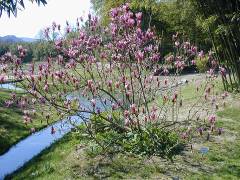
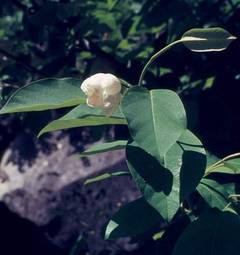
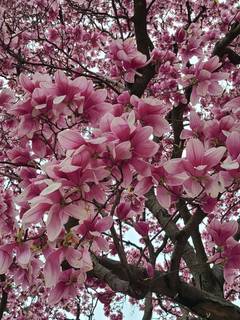
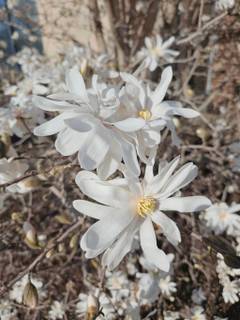
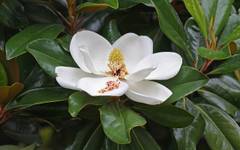
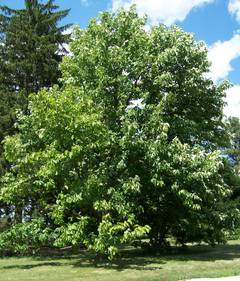
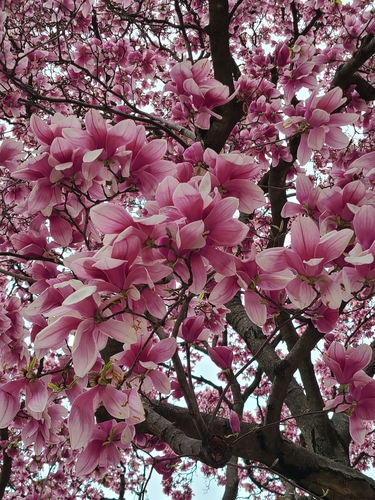
Magnolia is a genus of about 220 species of deciduous and evergreen trees and shrubs in the family Magnoliaceae, native to East and Southeast Asia and to the Americas. The genus is an ancient lineage whose large flowers appeared before bees existed and are still pollinated mainly by beetles. Flowers are made of petal-like tepals, not separated into petals and sepals, in white, pink, purple, red, or yellow, and many carry a strong fruity scent. Deciduous species such as the saucer and star magnolias flower on bare branches in early spring, while evergreen species such as M. grandiflora bloom through summer among glossy leaves. Plants range from large shrubs 2–3 m (6.5–10 ft) tall to forest trees over 30 m (100 ft). The flowers are followed by cone-like fruits that split to show fleshy red or orange seeds. The thick, fleshy, shallow roots are easily damaged by digging and dislike disturbance once established. Early-flowering deciduous species risk frost damage to their open blooms in cold springs.
Native Range
The genus has a split distribution, with one center in East and Southeast Asia, including China, Japan, and the Himalayas, and another in the eastern United States, Central America, and the Caribbean. Fossil evidence shows the genus once grew far more widely.Suggested Uses
Used as specimen and shade trees, with smaller deciduous species in borders and against walls and evergreen species as screens in mild regions. The large flowers and bold foliage anchor a planting. The shallow roots and eventual size limit underplanting and use in small or windy sites.How to Identify
Appearance
Size & Dimensions
Height8' - 100'
Width/Spread8' - 40'
Colors
Bloom Information
Flowering depends on the group: deciduous species bloom in early to mid-spring, often March to April on bare branches, while evergreen species flower from late spring through summer. Early bloomers risk losing their flowers to late frosts. Some species produce scattered repeat flowers into autumn.
Detailed Descriptions
Flower Description
white, pink, purple, red, or yellowFoliage Description
greenGrowing Conditions
Sun Requirements
Requires 4-8 hours of direct sunlight daily
• Full Sun: 6+ hours of direct sunlight
• Partial Shade: 3-6 hours of direct sunlight
• Full Shade: Less than 3 hours of direct sunlight
Care & Maintenance
Care Guide
Most species grow in full sun to part shade and moist, well-drained, acidic to neutral soil with a pH of 5.5 to 7.0 and ample organic matter. The fleshy, shallow roots resent disturbance, so plants are sited where they can stay undisturbed. Hardiness spans USDA zones 4–9 across the genus, with deciduous species generally hardier than the evergreen ones. Early-flowering species are placed away from morning sun in frost-prone areas, where rapid thawing damages frosted buds. Plants need steady moisture while young and tolerate short dry spells once established. Few pests trouble the genus, though scale insects appear on stressed plants.Pruning
Magnolias need little pruning and are shaped, if needed, by removing dead or crossing branches just after flowering. Deciduous species bleed sap if cut in late winter or early spring, so cuts are made in summer. Large pruning wounds heal slowly and are avoided where possible.Pruning Schedule
Prune: June–July
summer