Lupinus, Genus, texensis, Species,
- Genus & species
Texas bluebonnet
Central and south-central Texas; adjacent northern Mexico
SunFull Sun
Overview
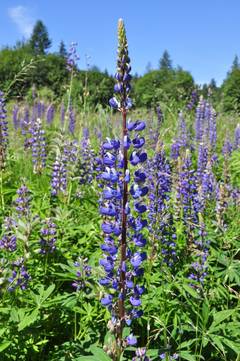
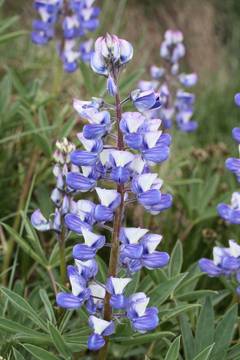
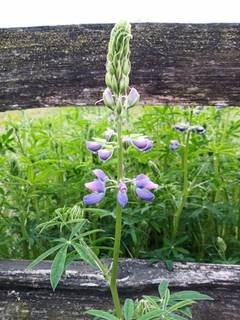
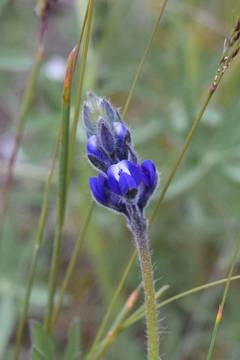
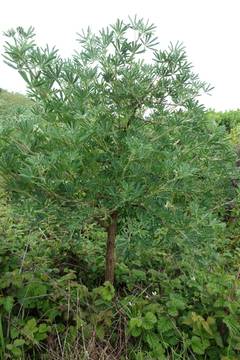
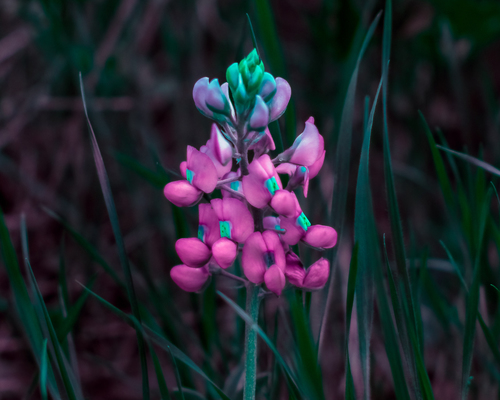
Lupinus texensis is a winter annual in the legume family (Fabaceae), reaching 6–18 inches (15–45 cm) tall and 6–12 inches (15–30 cm) wide. It forms a basal rosette of palmately compound leaves, each with 5–7 leaflets 1–2 inches (2.5–5 cm) long and covered in dense silvery hairs. From March to May it produces upright spikes 3–6 inches (8–15 cm) long packed with blue pea-shaped flowers, each bearing a white spot on the banner petal that turns reddish-purple after pollination. Plants germinate in autumn, overwinter as low rosettes, and flower the following spring before setting seed and dying. As a legume it fixes atmospheric nitrogen through root nodules and grows on poor, gravelly soils low in fertility. It is the designated state flower of Texas, where it covers roadsides and open fields in spring. Seeds and foliage contain quinolizidine alkaloids that are toxic to humans and livestock if eaten. Flowering depends heavily on autumn and winter rainfall, and bloom is sparse in dry years.
Native Range
Native to central and south-central Texas, with scattered populations in adjacent northern Mexico. It grows in the Blackland Prairie and Edwards Plateau regions on limestone-derived soils.Suggested Uses
Used in wildflower meadows, naturalized roadside plantings, and native prairie restorations. Suited to dry, low-fertility sites where it can self-sow undisturbed. Combined with other spring annuals such as Castilleja indivisa for mixed color displays.How to Identify
Appearance
Size & Dimensions
Height6" - 1'6"
Width/Spread6" - 1'
Bloom Information
Blooms from late March to mid-May in its native range, with peak display in early April. Individual spikes stay in flower for 2–3 weeks. The white banner spot turns reddish-purple once flowers are pollinated, marking the end of nectar availability.
Detailed Descriptions
Flower Description
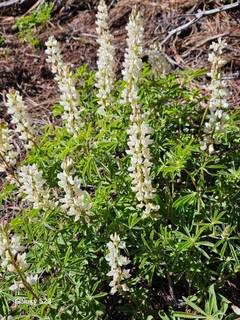
blue with white banner spotFoliage Description
silvery greenGrowing Conditions
Sun Requirements
Requires 6-8 hours of direct sunlight daily
• Full Sun: 6+ hours of direct sunlight
• Partial Shade: 3-6 hours of direct sunlight
• Full Shade: Less than 3 hours of direct sunlight
Water & Climate
Water Needs
Drought Tolerance
Drought tolerant when established
Care & Maintenance
Care Guide
Grows in full sun on well-drained, gravelly or sandy soils with a neutral to alkaline pH of 6.8–7.5. Seed is sown in autumn for spring bloom, as the species needs a cool overwintering period to flower. The hard seed coat germinates faster after scarification. Established plants tolerate drought but flower more freely with autumn and winter moisture. No fertilizer is needed, as the plant fixes its own nitrogen and excess feeding reduces flowering. Plants die after setting seed and rely on self-sowing to return.Pruning
No pruning is required. Spent plants are left to set and drop seed before removal, as the annual life cycle depends on natural reseeding. Clearing plants before the seed matures prevents return the following year.Toxicity Warning
Toxic to pets and humansPlanting Guide
Planting Methods & Timing
Planting Method
direct sow
Direct Sow Timing
Autumn (September–November) for spring bloom
Plant Spacing
8 inches