Lupinus, Genus, argenteus, Species,
- Genus & species
silvery lupine
Overview
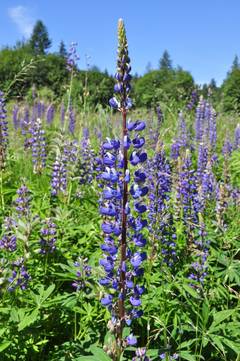
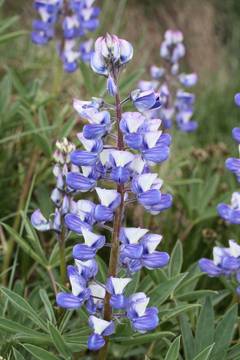
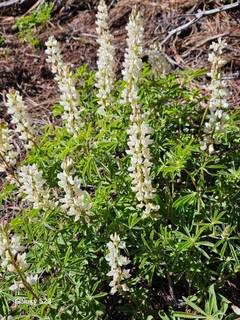
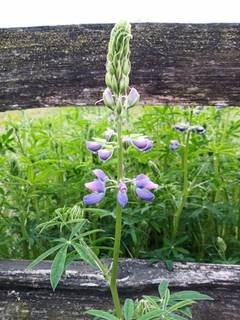
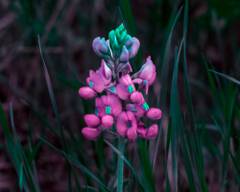
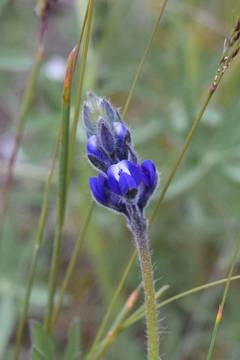
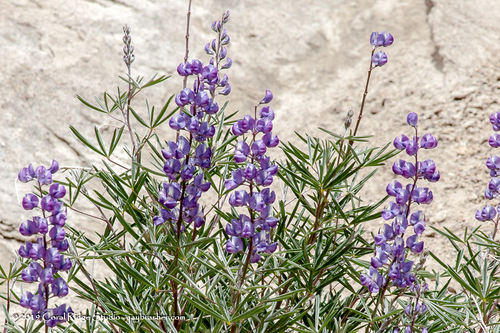
Lupinus argenteus is a herbaceous perennial in the pea family, forming clumps 12-36 inches (30-90 cm) tall and 12-24 inches (30-60 cm) wide from a woody crown and deep root. The palmately compound leaves are divided into five to nine narrow leaflets covered in silky silver hairs that give the plant its name. Pea-like flowers, usually blue to purple but sometimes white or pink, are carried in slender upright spikes 4-10 inches (10-25 cm) long from late spring into summer. Flat hairy pods follow and split to scatter the seeds. The plant grows in dry meadows, sagebrush flats, open woodland, and montane slopes across the western United States, fixing nitrogen through root nodules and improving poor soils. It is variable across its wide range, with many regional forms. All parts contain quinolizidine alkaloids that are poisonous to cattle and sheep, and seeds eaten in quantity are toxic to people. It tolerates drought and cold but is short-lived and intolerant of wet, heavy soils.
Native Range
Native to the western United States, from the Great Plains and Rocky Mountains west to the Sierra Nevada and Cascades, from Montana and the Dakotas south to Arizona and New Mexico. It grows in dry meadows, sagebrush flats, open conifer woodland, and montane slopes.Suggested Uses
Grown in native, dryland, and meadow plantings, on slopes for erosion control, and in pollinator gardens. The flowers draw bumblebees and other native bees, and the foliage hosts several butterfly larvae.How to Identify
Appearance
Size & Dimensions
Height1' - 3'
Width/Spread1' - 2'
Bloom Information
Detailed Descriptions
Foliage Description
silverGrowing Conditions
Sun Requirements
Requires 6-12 hours of direct sunlight daily
• Full Sun: 6+ hours of direct sunlight
• Partial Shade: 3-6 hours of direct sunlight
• Full Shade: Less than 3 hours of direct sunlight
Care & Maintenance
Care Guide
Grows in full sun in dry, well-drained sandy, gravelly, or rocky soil and tolerates lean ground, drought, and cold. It fixes its own nitrogen and needs no fertilizer; rich or heavily fed soil shortens its life. The deep root resents disturbance, so it transplants poorly and establishes more reliably from seed sown in place. Seed germinates better after scarification, and a cold period improves sprouting. It is short-lived but self-sows where the soil is open. Wet or poorly drained ground causes crown rot.Pruning
Removing spent flower spikes before pods ripen prolongs bloom and limits self-sowing. Dead foliage can be cut back after it dies down in late summer or left to reseed.Pruning Schedule
summer