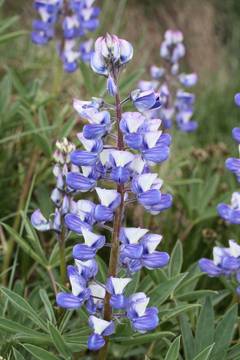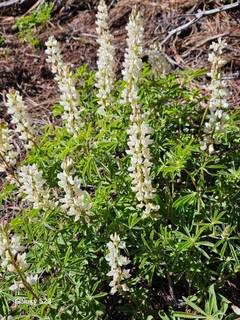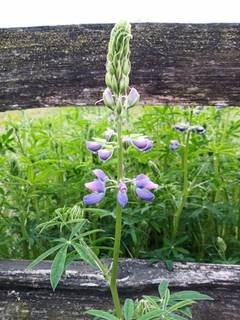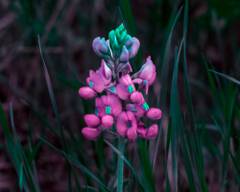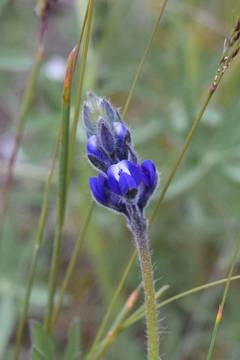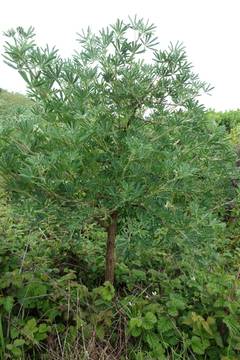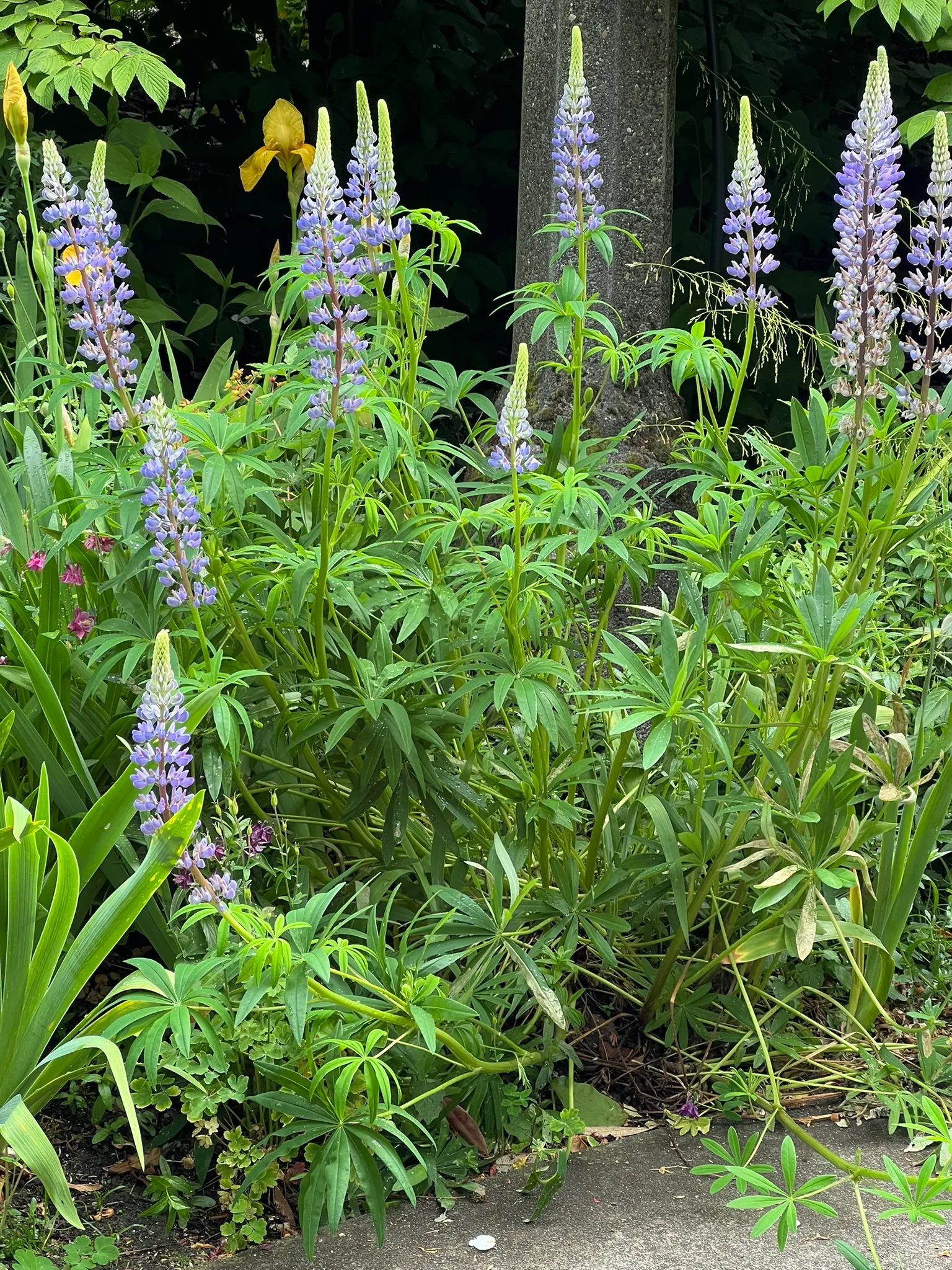
Lupinus polyphyllus hybrids, garden lupine
1 / 4
Perennials

Lupinus polyphyllus hybrids

garden lupine

FabaceaeNorth America

At a Glance

TypePerennial
HabitUpright
FoliageDeciduous
Height3–5 feet (90–150 cm)
Width18–24 inches (45–60 cm)
Maturity2 years

Growing Zones

USDA Hardiness Zones

4 - 8
Zone 4
Zone 5
Zone 6
Zone 7
Zone 8
These zones indicate the coldest temperatures this plant can typically survive.
Frost Tolerancehardy

Key Features

Attracts Pollinators
Attracts Butterflies
Deer Resistant
Drought Tolerant
Native to North America
Maintenancelow

Overview

Lupinus polyphyllus, commonly called large-leaved lupine or garden lupine, is a robust perennial legume in the family Fabaceae, native to moist meadows, streambanks, and forest edges along the Pacific Coast of western North America — from British Columbia south through Washington and Oregon to central California. It is the primary wild parent of the famous Russell Hybrid lupines, developed in England in the early 20th century by George Russell through decades of selection from L. polyphyllus and other Lupinus species. Plants produce bold, palmately compound leaves with 9–17 leaflets arranged like the spokes of a wheel, and tall, dense racemes 12–24 inches (30–60 cm) long of pea-like flowers in blue-violet to purple — or in hybrids, every color of the rainbow — on stems reaching 3–5 feet (90–150 cm). As a legume, lupine fixes atmospheric nitrogen through root nodule bacteria, improving soil fertility. All parts are toxic if ingested, particularly the seeds. In the Pacific Northwest, L. polyphyllus spreads aggressively by seed along roadsides, riverbanks, and disturbed ground; it is considered invasive in parts of Europe (particularly Iceland and Norway, where it was introduced for erosion control) and should be deadheaded before seed set in garden settings to prevent unwanted spread.

Native Range

Native to the Pacific Coast of western North America, from southern British Columbia south through Washington, Oregon, and into central California, where the species grows in moist meadows, streambanks, forest margins, and disturbed ground at low to subalpine elevations. Widely naturalized in Europe and elsewhere following introductions for erosion control; considered invasive in Iceland, Scandinavia, and parts of Central Europe.

Suggested Uses

Garden lupine is one of the most dramatic late-spring perennials for Pacific Northwest gardens, with towering flower spikes in blue-violet (species) or every color of the rainbow (Russell Hybrids) making a bold statement at the back of a mixed border or in a cottage-style planting. The species is also a valued native plant for Pacific Northwest wildflower gardens, meadow plantings, and rain gardens, where it fixes nitrogen and supports pollinators. Deadhead consistently to prevent invasive self-seeding. The Russell Hybrid lupines — bred from this species — are among the most spectacular of all cottage garden perennials and perform particularly well in the cool, moist Pacific Northwest climate.

How to Identify

Large-leaved lupine is identified by its large, palmately compound leaves with 9–17 lance-shaped, pointed leaflets — 2–4 inches (5–10 cm) long each — arranged like spokes radiating from a central point, with a distinctly glaucous or waxy upper surface. Stems are stout and hollow, reaching 3–5 feet (90–150 cm). Dense, erect racemes of blue-violet to purple pea-like flowers 0.5–0.75 inch (1.2–2 cm) long are produced in late spring and early summer. Seed pods are hairy, containing several seeds that are toxic if ingested. The combination of large palmate leaves with many leaflets and tall dense flower spikes distinguishes this from smaller Lupinus species.

Appearance

Size & Dimensions

Height3' - 5'
Width/Spread1'6" - 2'

Reaches mature size in approximately 2 years

Colors

Flower Colors

blue
purple

Foliage Colors

green

Fall Foliage Colors

yellow

Bloom Information

Bloom Period

~5 weeks
J
F
M
A
M
J
J
A
S
O
N
D
SpringSummer
Garden lupine blooms in late spring to early summer, typically May through June in Pacific Northwest lowland gardens, with peak flowering in late May and early June. The dense, tapering racemes 12–24 inches (30–60 cm) long open from the base upward over three to four weeks. Deadheading spent racemes promptly after flowering prevents seed set and often encourages a smaller second flush of bloom in late summer. The bold foliage remains attractive through summer.

Detailed Descriptions

Flower Description

Blue-violet to purple (species); full color range in hybrids; pea-like flowers in dense erect racemes

Foliage Description

Palmately compound, 9–17 lance-shaped leaflets, mid-green above, paler and sometimes waxy below

Growing Conditions

Sun Requirements

Full Sun
Partial Shade
Requires 4-10 hours of direct sunlight daily
• Full Sun: 6+ hours of direct sunlight
• Partial Shade: 3-6 hours of direct sunlight
• Full Shade: Less than 3 hours of direct sunlight

Soil Requirements

pH Range5.5 - 7.0(Neutral)
357912
Soil Types
loamsand
Drainage
well drained

Water & Climate

Water Needs

Medium

Frost Tolerance

hardy

Time to Maturity

1–2 years

Drought Tolerance

Drought tolerant when established

Care & Maintenance

Care Guide

Plant lupines in full sun to partial shade in well-drained, moderately fertile, slightly acidic to neutral soil. Good drainage is important — lupines resent waterlogged conditions, particularly in winter. In Pacific Northwest gardens they thrive in typical loamy or sandy soils and are relatively drought-tolerant once established. As nitrogen-fixers, they require no nitrogen fertilization; avoid high-phosphorus fertilizers. Deadhead spent racemes promptly to prevent aggressive self-seeding. Russell Hybrid cultivars are typically shorter-lived (2–4 years) than the straight species; replace as needed. All parts are toxic; keep away from pets and children. Lupines resent transplanting — plant into final position when young.

Pruning

Deadhead spent flower racemes by cutting the entire stem back to the basal foliage as soon as flowering is complete — this prevents prolific self-seeding and often encourages a second flush of smaller spikes in late summer. Cut the entire plant back to ground level in late autumn after the foliage dies down. Divide clumps, if needed, only in early spring when plants are small, as lupines have a deep taproot and resent disturbance.

Pruning Schedule

J
F
M
A
M
J
J
A
S
O
N
D
summerfall

Maintenance Level

low

⚠️ Toxicity Warning

Toxic to pets and humans