Image 1 of 5
1 / 5
Plant Reference
Lupinus, Genus, latifolius, Species,
- Genus & species
wild lupine
British Columbia south through Washington and Oregon to California; forest openings, mountain meadows, forest edges, and subalpine slopes to above 7,000 feet (2,100 m)
Overview
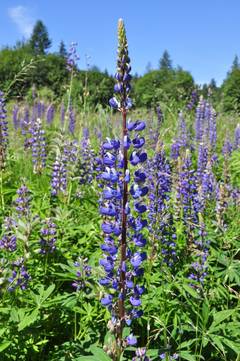
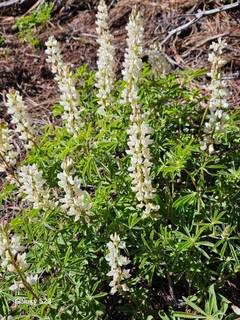
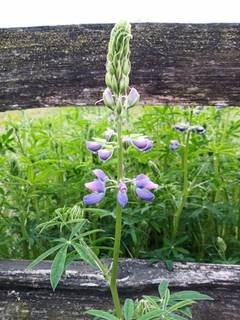
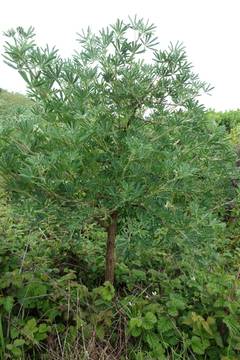
Lupinus latifolius is a tall, tap-rooted herbaceous perennial in the family Fabaceae, native to forest openings, mountain meadows, forest edges, and subalpine slopes from British Columbia south through Washington and Oregon to California, across elevations from low ground to above 7,000 feet (2,100 m). The species epithet 'latifolius' means 'broad-leaved' and refers to the wide individual leaflets relative to most other native lupines of the region. Plants grow 2-5 feet (60-150 cm) tall with palmately compound leaves that carry 6-10 broadly elliptic to oblanceolate leaflets 1.5-3.5 inches (4-9 cm) long, silky-hairy on the underside. From May through July, erect terminal racemes 6-18 inches (15-45 cm) long carry numerous blue to blue-purple pea-shaped flowers, whorled along the stalk in the pattern characteristic of the genus. The roots carry nitrogen-fixing nodules, so the species enriches soil in the mountain meadow and forest opening communities it occupies. Bumblebees, lupine blue and skipper butterflies, and native solitary bees visit the flowers through the bloom window. All parts contain quinolizidine alkaloids and are toxic to livestock, pets, and humans if ingested; seeds are the most concentrated source and cause lupinosis in grazing animals.
Native Range
Lupinus latifolius is native to forest openings, mountain meadows, forest edges, and subalpine slopes from British Columbia south through Washington and Oregon to California, from low elevations to subalpine zones above 7,000 feet (2,100 m).Suggested Uses
Planted in native wildflower meadows, mountain-garden borders, forest-edge plantings, and dry slope restorations at 18-24 inch (45-60 cm) spacing. The tall blue racemes in May-July support high bumblebee and butterfly diversity and function as a major pollinator plant in restoration plantings. Nitrogen fixation recommends the species as a soil-improver in lean or disturbed sites. Combines with Castilleja miniata, Penstemon species, and native grasses in mountain-meadow and open forest-edge designs. Sites accessible to children, pets, or livestock fall outside the use range because of seed toxicity.How to Identify
Appearance
Size & Dimensions
Height2' - 5'
Width/Spread1'6" - 2'6"
Bloom Information
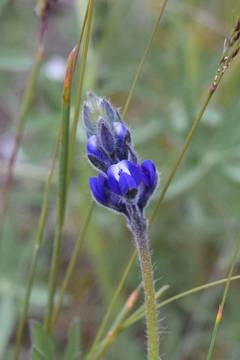
Erect terminal racemes 6-18 inches (15-45 cm) long of blue to blue-purple pea-shaped flowers whorled along the stalk, borne May through July in zones 4-8 over 4-6 weeks. Bumblebees, native solitary bees, lupine blue butterflies, and skippers visit through the bloom window. Seed pods are hairy and explosively dehiscent, ejecting seeds when ripe in July-August.
Detailed Descriptions
Flower Description
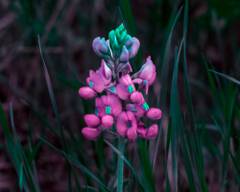
Blue to blue-purple pea-shaped flowers whorled on erect terminal racemes 6-18 inches (15-45 cm); May-July; hairy explosively dehiscent seed pods followFoliage Description
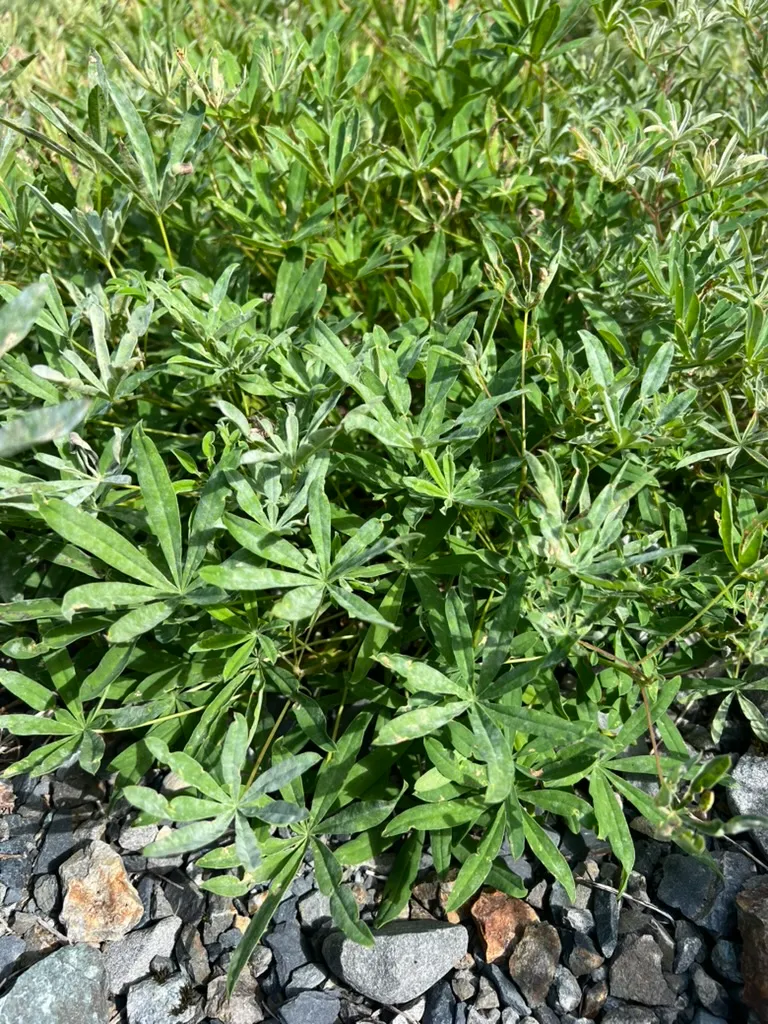
Medium green above, silky-hairy and paler beneath; palmately compound with 6-10 broadly elliptic leaflets 1.5-3.5 inches (4-9 cm); deciduousGrowing Conditions
Sun Requirements
Requires 4-12 hours of direct sunlight daily
• Full Sun: 6+ hours of direct sunlight
• Partial Shade: 3-6 hours of direct sunlight
• Full Shade: Less than 3 hours of direct sunlight
Care & Maintenance
Care Guide
Grows in full sun to partial shade in well-drained to dry, poor to average, acidic to neutral soil at pH 5.5-7.5. Hardy to USDA zone 4. Nitrogen fixation by root nodules means the species enriches rather than depletes soil, so no fertilizer is applied, and high-fertility sites reduce flowering. Drought tolerance develops after establishment. Direct sowing in fall or early spring suits the taprooted habit; seed requires scarification or cold stratification for reliable germination. The taproot makes transplanting unreliable, and self-seeding in suitable conditions maintains established populations. All parts contain quinolizidine alkaloids and are toxic if ingested; seeds are the most concentrated.Pruning
A cutback of spent racemes after seed pods ripen and begin to shatter in late summer limits excessive self-seeding. Dead stalks are removed to the base in fall or late winter. Division is not used because the taproot does not recover from disturbance.Pruning Schedule
Prune: February & August
summerearly spring