Lupinus, Genus, spp., Multiple species,
- Genus
- Multiple species
lupines
The Americas and the Mediterranean region
Overview
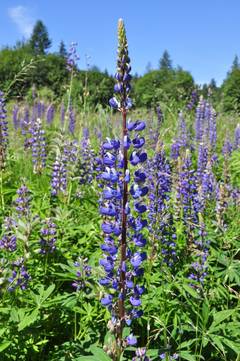
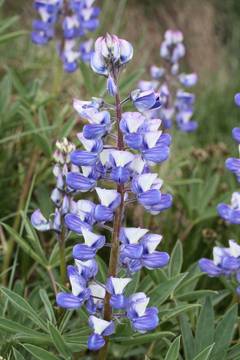
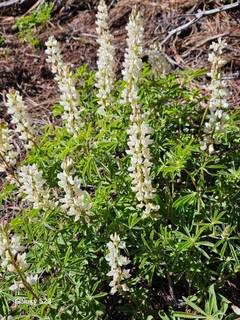
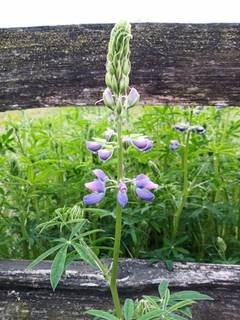
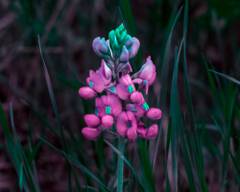
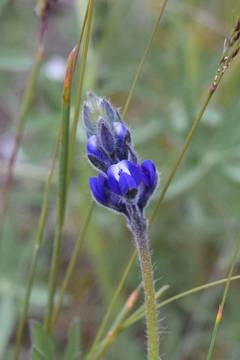
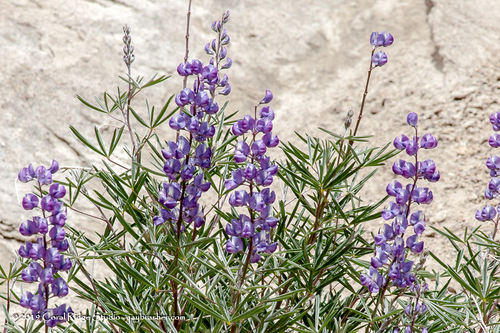
Lupinus, the lupines, is a genus of 200-600 species in the pea family, native mainly to the Americas with a second center in the Mediterranean. The group includes annuals, herbaceous perennials, and a few woody shrubs, most growing upright from 1 to 5 feet (30 to 150 cm) tall. The leaves are palmately compound, with 5-17 leaflets radiating from a central point like spokes. Pea-like flowers are densely packed in upright spikes 6-24 inches (15-60 cm) long in blue, purple, pink, white, yellow, or red, opening from the bottom upward in late spring and summer. The flowers are followed by hairy pods that split and twist to fling out the seeds. Like other legumes, lupines fix nitrogen through root bacteria and can grow in poor soils. The seeds and foliage of most species contain bitter quinolizidine alkaloids that are toxic to people and livestock. Across the genus, plants differ in life span, height, and flower color, and many are short-lived or transplant poorly because of their deep taproots.
Native Range
The genus is centered in the Americas, especially western North America and the Andes, with a separate group of species around the Mediterranean and North Africa. Lupines grow in meadows, prairies, open woodland, coastal dunes, and mountain slopes, often on poor, sandy, or gravelly soils. Across the genus they favor open, sunny sites with sharp drainage.Suggested Uses
Lupines are grown in borders, cottage gardens, meadows, and wildflower plantings, spaced about 12 to 24 inches (30 to 60 cm) apart. Annual and reseeding species suit meadows and quick color, while perennial hybrids are grown for tall early-summer spikes in borders. Across the genus, lupines also improve poor soils through nitrogen fixation and are used in restoration and cover-crop plantings.How to Identify
Appearance
Size & Dimensions
Height1' - 5'
Width/Spread1' - 3'
Bloom Information
Across the genus, bloom runs from late spring into summer, roughly May through July, with each spike opening from the base upward over 2-3 weeks. Removing spent spikes can bring a lighter second flush in perennial species. Flowering is heaviest in cool summers and tends to be brief where summers are hot.
Detailed Descriptions
Flower Description
blue, purple, pink, white, or yellowFoliage Description
greenGrowing Conditions
Sun Requirements
Requires 6-8 hours of direct sunlight daily
• Full Sun: 6+ hours of direct sunlight
• Partial Shade: 3-6 hours of direct sunlight
• Full Shade: Less than 3 hours of direct sunlight
Care & Maintenance
Care Guide
Most lupines grow in full sun in moist but sharply drained, slightly acidic soil and decline in alkaline, heavy, or waterlogged ground. Across the genus they are watered through dry spells while in growth but rot in soggy soil, and the deep taproot makes established plants hard to move. Many perennial species are short-lived, lasting 3-4 years, and are renewed from seed. Aphids, powdery mildew, and crown rot are the main problems, and slugs damage young growth. Soaked or scarified seed germinates more readily because of the hard seed coat. The seeds and foliage are toxic if eaten.Pruning
Cut each flower spike off just below the lowest faded flower once bloom finishes to limit seeding and prompt a possible second flush. Across the genus, remove tattered foliage during the season and cut perennials to the ground after they die back in autumn. Leaving a few spikes to set seed allows short-lived species to renew themselves.Pruning Schedule
summer
Container Growing
Suitable for container growing
Minimum container size: 2 gallons